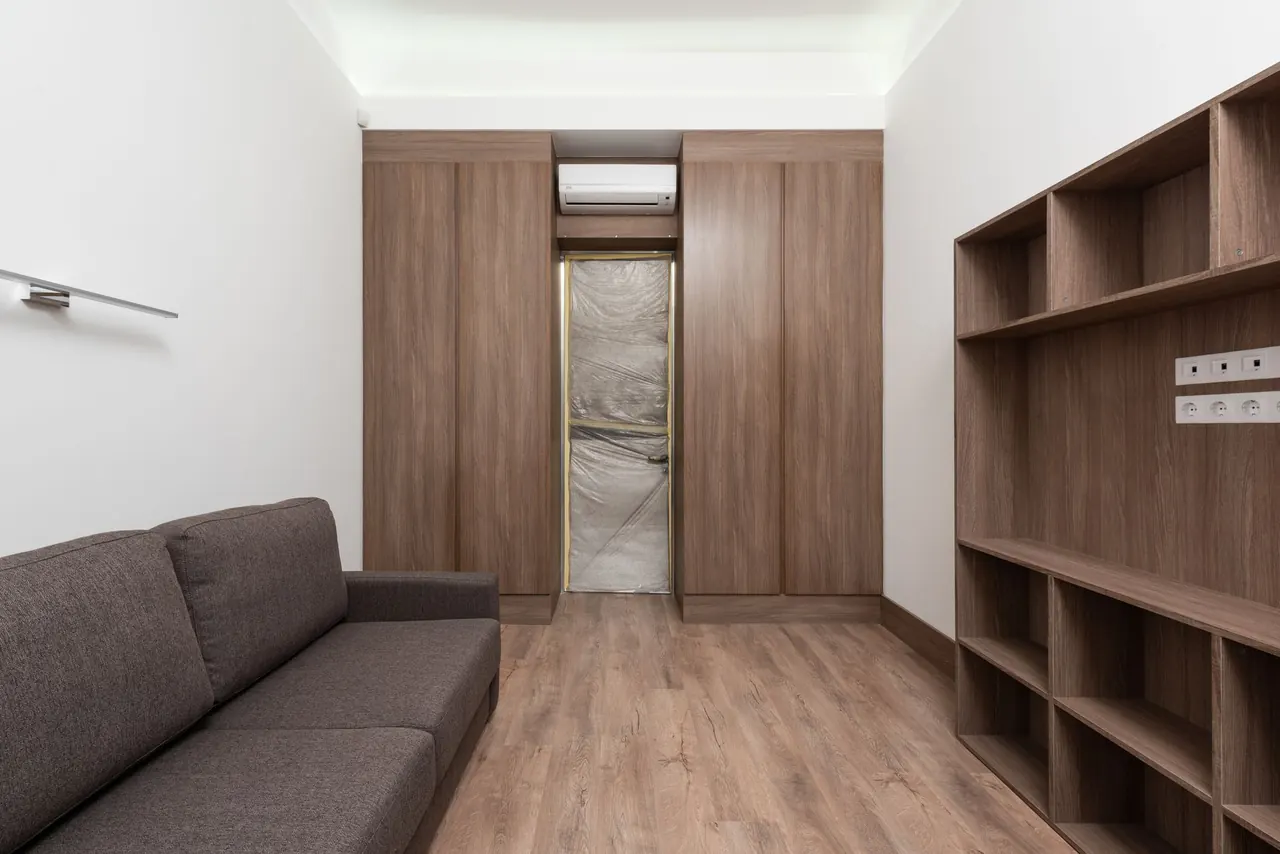
Work area review
Summary of affected materials and visible conditions.
Black mold removal Orlando FL helps homeowners and property managers address visible growth and the moisture feeding it. Orlando Mold Guardians inspects affected areas, isolates the work zone, and removes contaminated materials when needed. If a musty smell, plumbing leak, roof leak, or dark spotting has appeared, we trace the moisture source and explain a practical cleanup plan for your Orlando, Florida property.
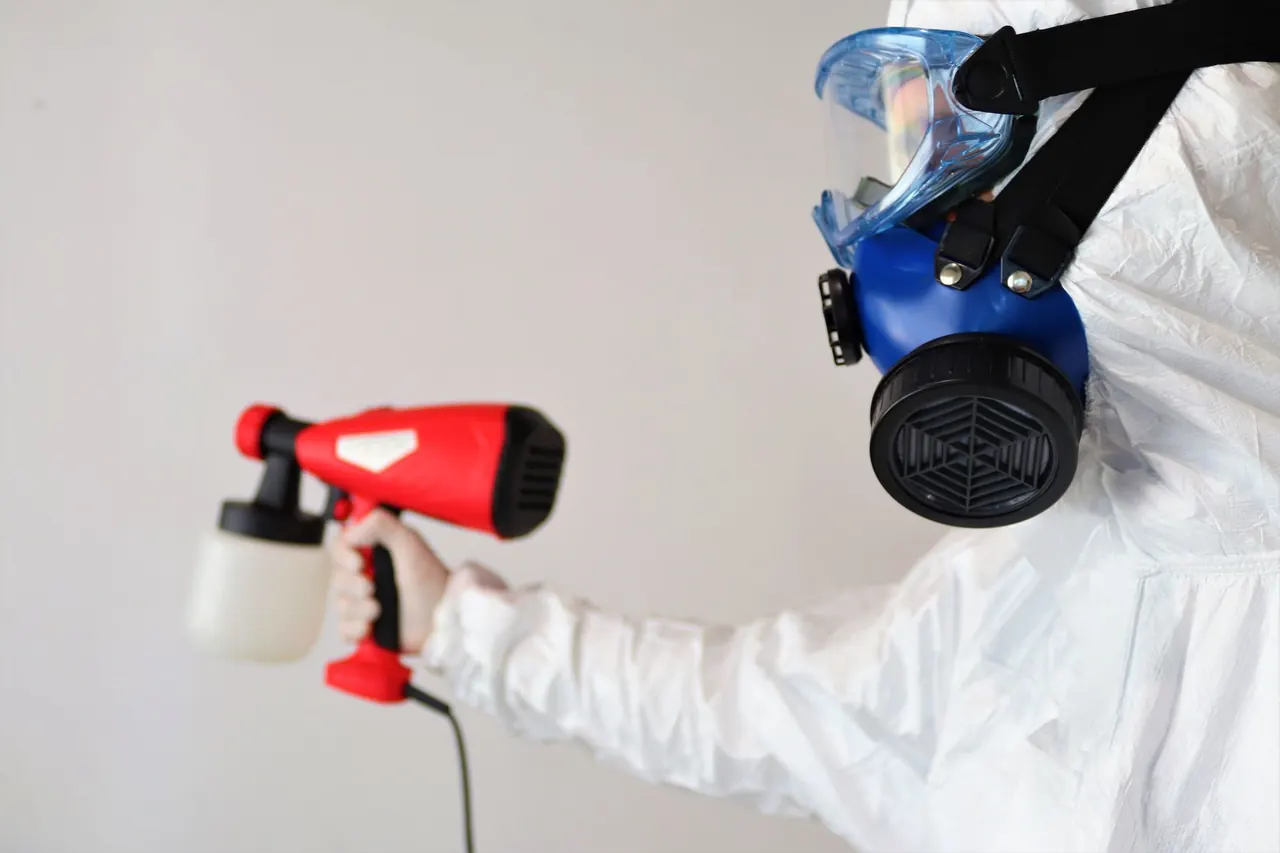
Black mold removal includes assessment of visible growth, work-area protection, removal of unsalvageable affected materials, HEPA cleaning, and drying checks appropriate to the job. We explain whether a leak repair, building reconstruction, or independent testing is a separate phase. The exact work depends on the affected material, access, and extent of moisture damage; you will know the planned sequence before our crew begins.
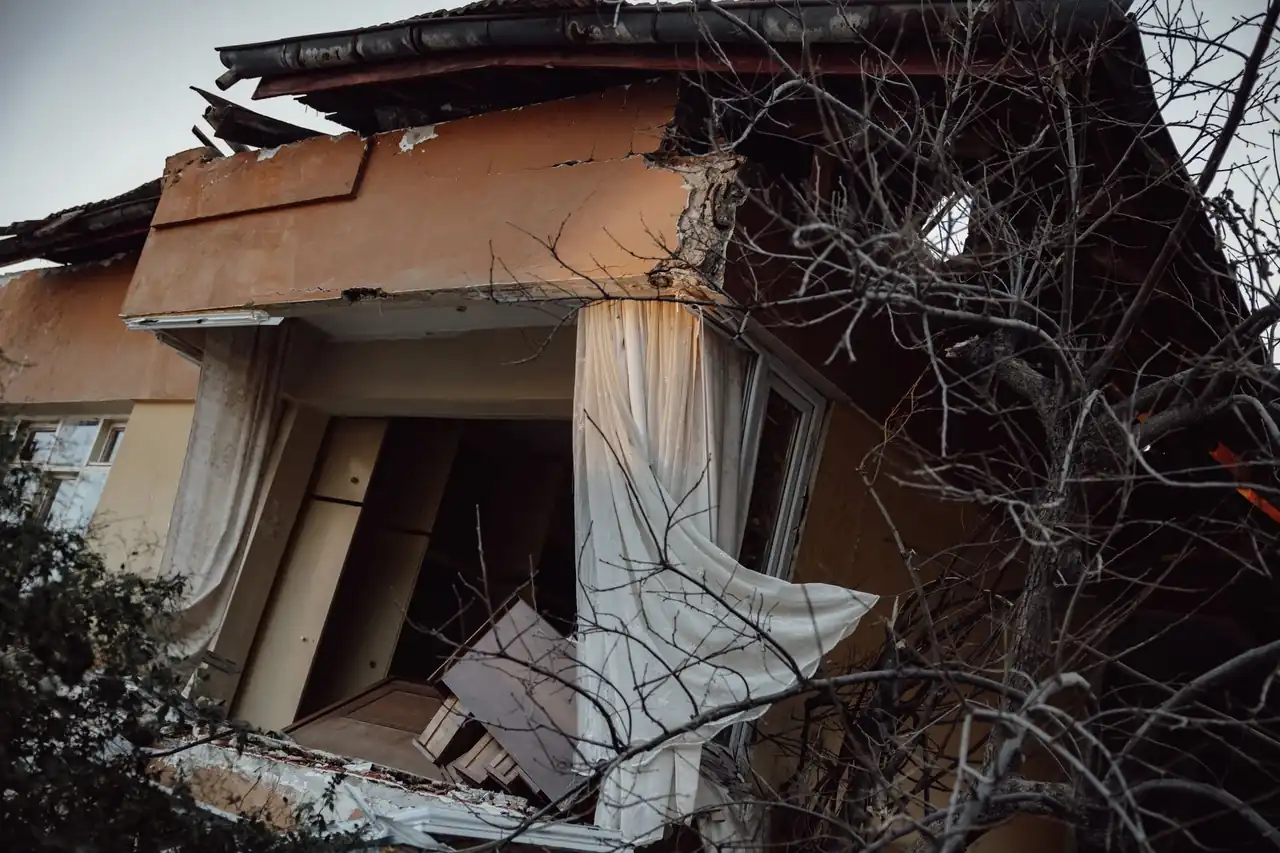
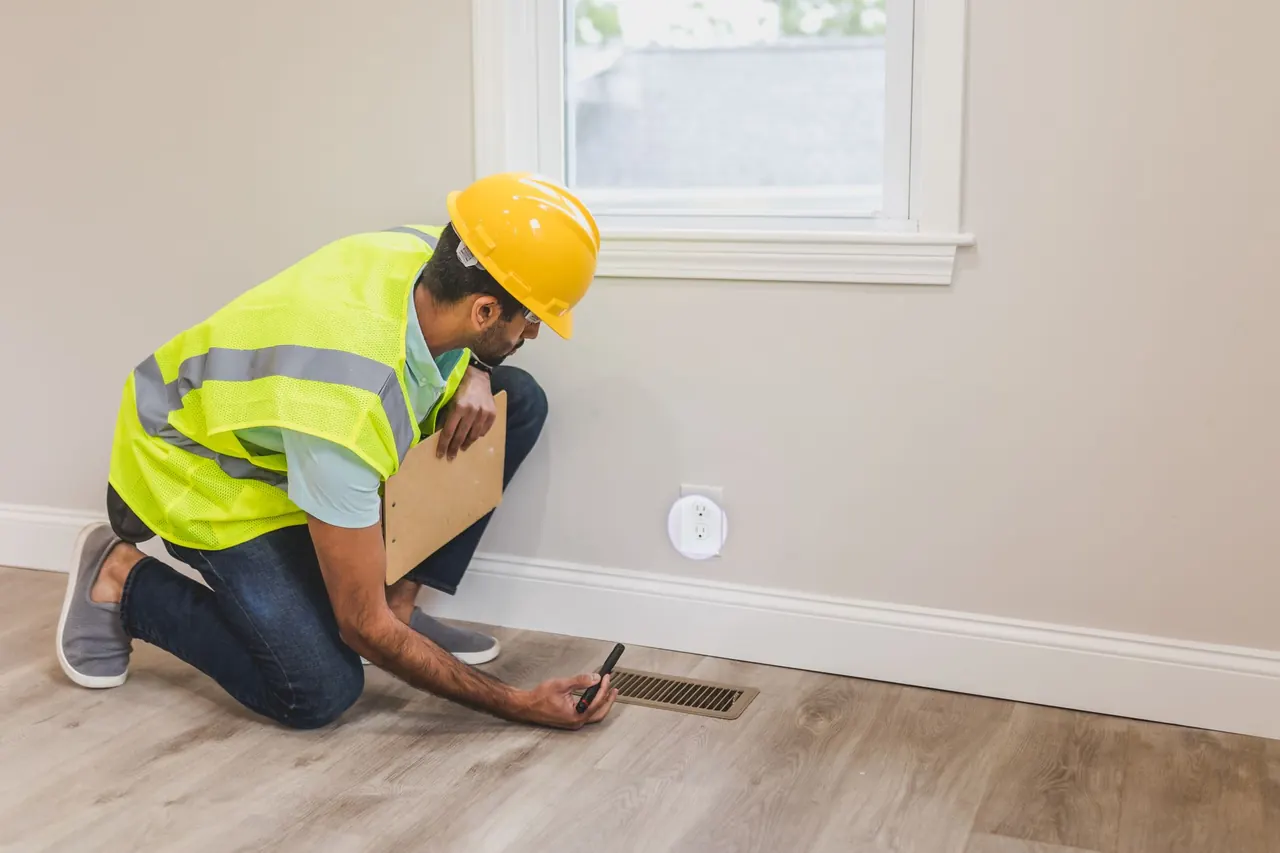
We help homeowners and tenants address mold around bathrooms, kitchens, bedrooms, and utility closets. Our crew protects nearby belongings and explains which rooms need restricted access during contained removal.
We plan contained work for occupied properties, with clear room boundaries and practical access coordination. Property managers receive a concise explanation of affected materials and drying steps.
black mold removal Orlando FL is a mold-remediation service that contains and removes mold-affected materials after moisture has supported growth. We inspect the affected area, identify likely water sources, and use containment to limit disturbance and spread. Depending on the materials and damage, the work can include removing affected drywall or insulation, HEPA vacuuming, cleaning retained surfaces with an antimicrobial solution, and drying the assembly. We check moisture readings before and during the work; covering a stain without correcting the leak or humidity leaves the cause in place.
Orlando's warm, humid conditions can slow drying after plumbing leaks, roof damage, flooding, or persistent condensation. Bathrooms, laundry rooms, and air-conditioned spaces with poor ventilation are common places to find concealed dampness. Our Orlando black mold remediation begins with locating the moisture path, including behind baseboards or around HVAC ductwork when appropriate. If you search for black mold in bathroom removal Orlando FL, we assess the surrounding wall and floor too, because visible spotting can extend beyond the tile grout.
Remove affected material, control dust, and correct the moisture that allowed growth.
Black mold removal in Orlando follows a controlled sequence: inspect, contain, remove, clean, and verify drying. We explain what we find before opening materials and keep you informed as each stage changes access to the room.
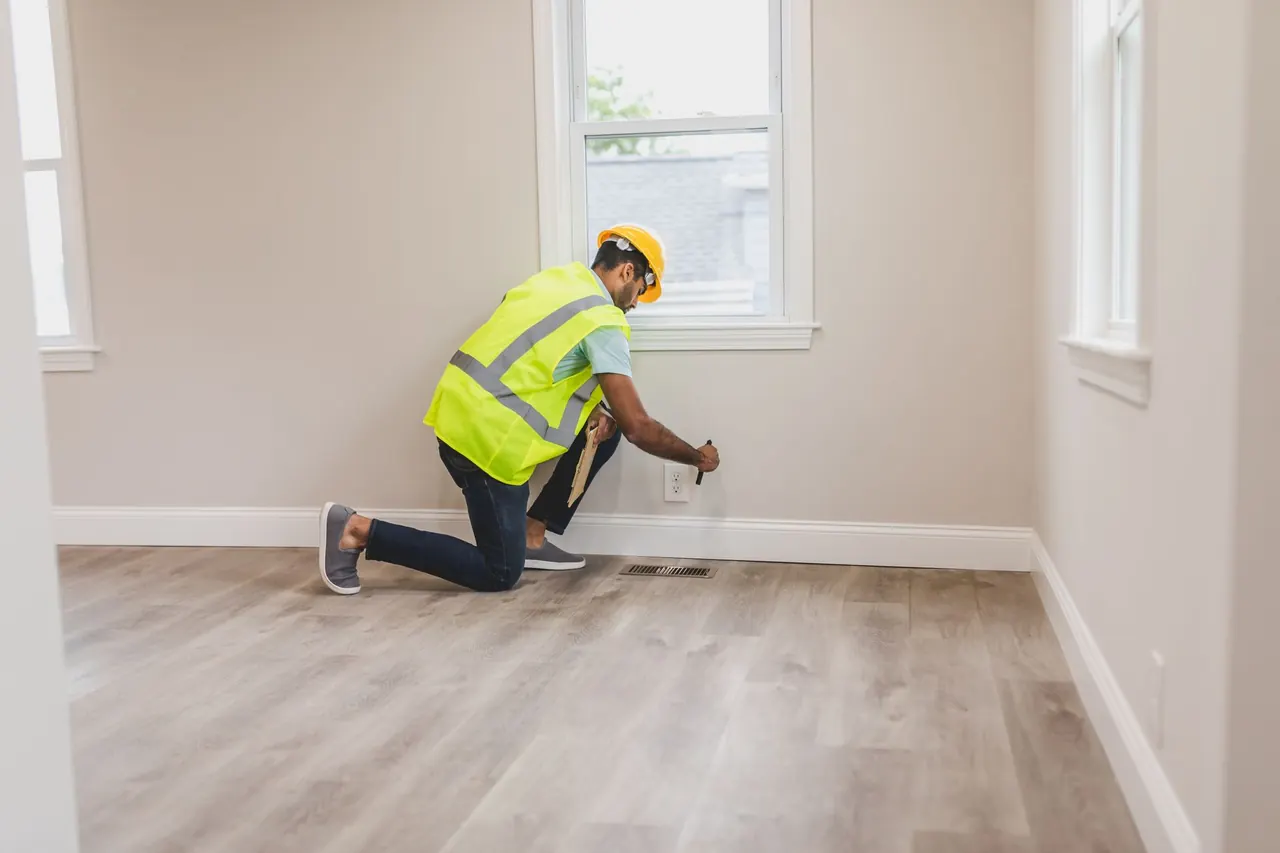
We ask when the stain or odor appeared, inspect visible growth, and check nearby plumbing, windows, roof lines, and HVAC components. A moisture meter helps measure damp materials; a thermal imaging camera can indicate temperature patterns that warrant closer inspection. An initial site visit often takes 30 to 90 minutes, depending on the number of rooms.
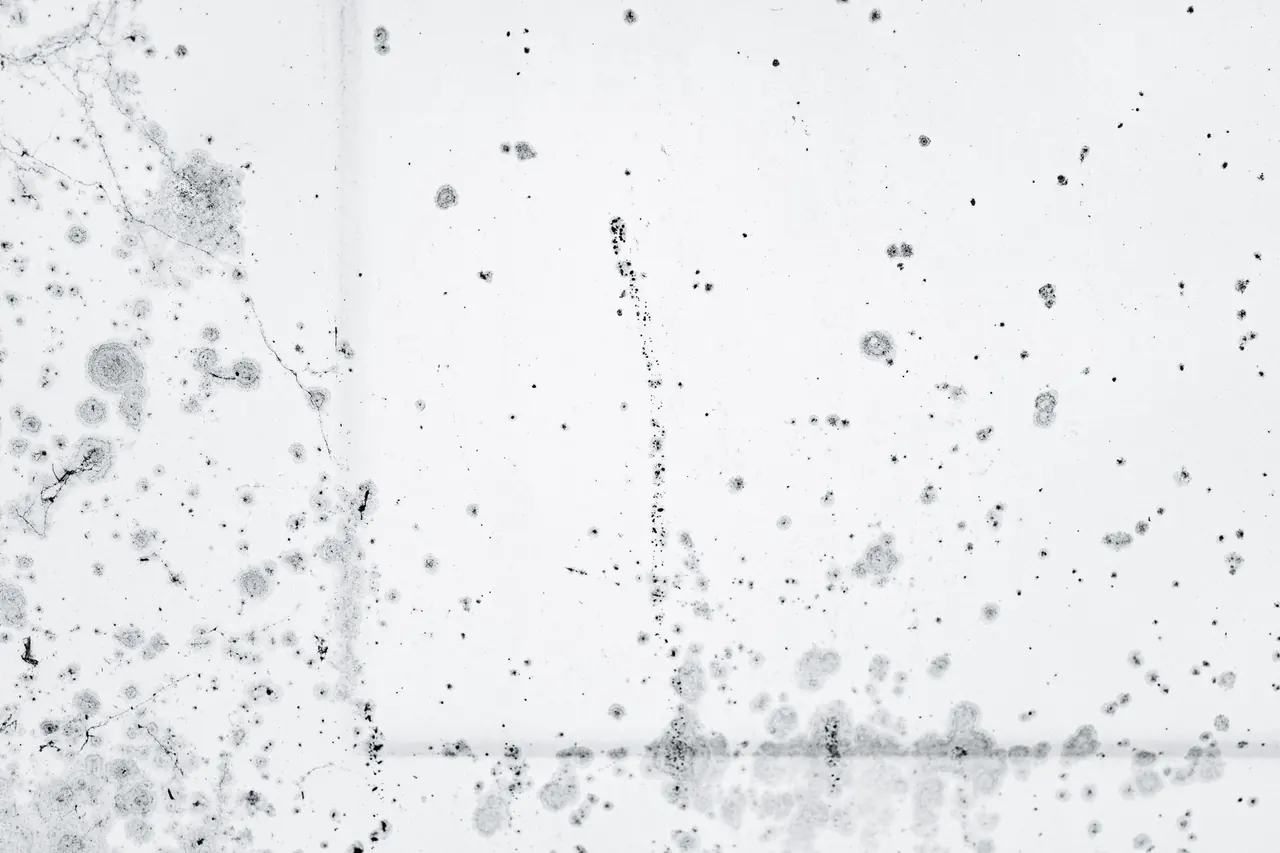
Before removal, we define the work area and protect adjacent rooms with plastic sheeting. We position an air scrubber or negative air machine when the scope calls for controlled air movement, and use suitable respiratory and personal protective equipment. You receive clear instructions about access, pets, and belongings while the enclosure is active.
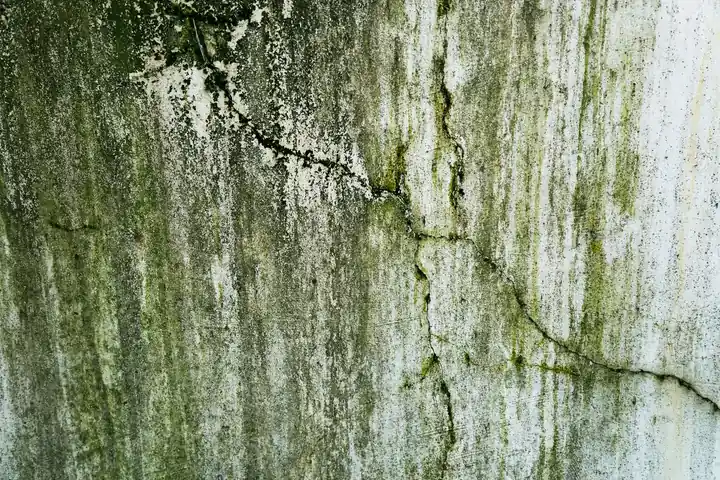
We remove mold-damaged porous materials such as drywall or insulation when cleaning cannot restore them. The crew bags debris inside the contained area and avoids unnecessary demolition. A small single-room project may take one day of removal and cleaning; concealed damage, framing, or multiple rooms can extend the schedule.
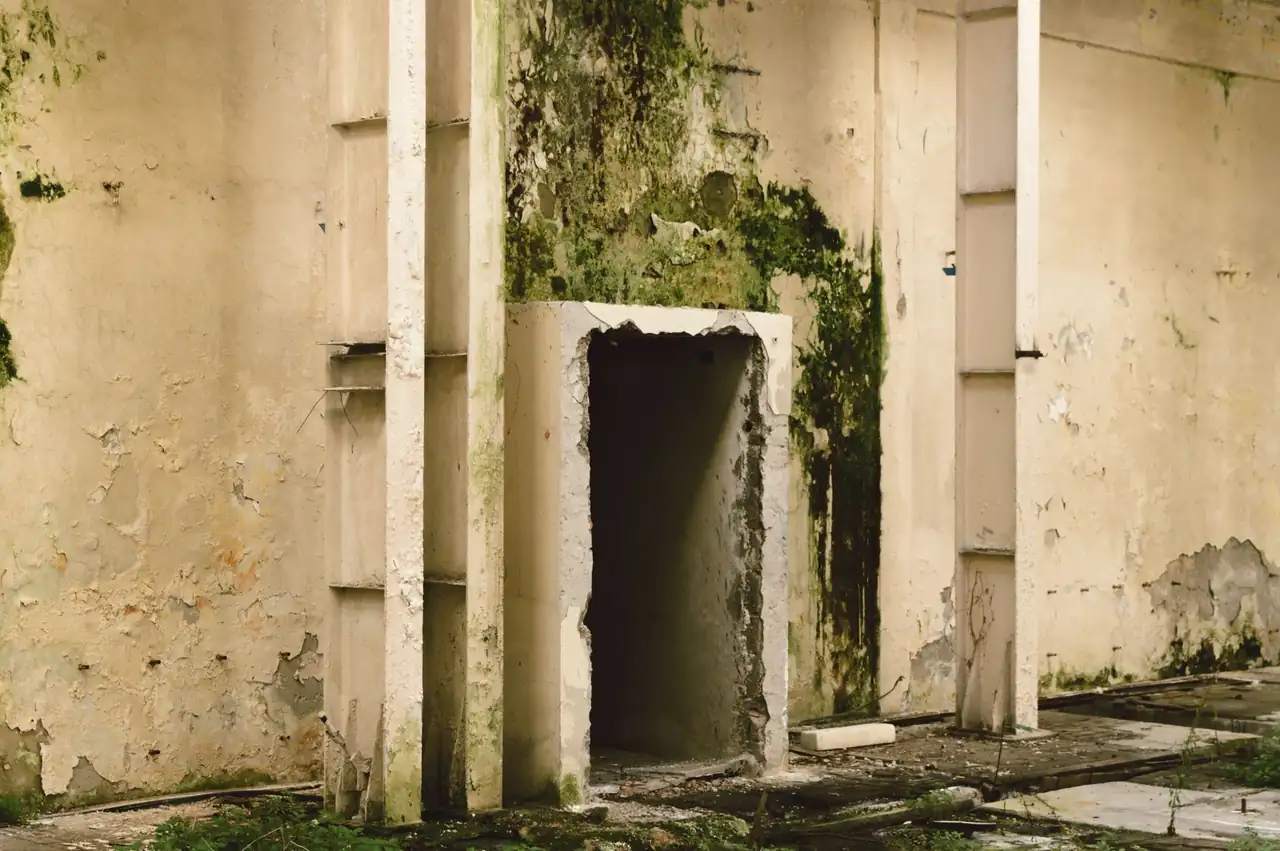
We HEPA vacuum exposed surfaces, clean suitable nonporous materials, and use air movement or a dehumidifier to support drying. We take follow-up moisture readings rather than relying on touch alone. If a plumbing leak or roof opening remains active, that source must be corrected so the cleaned assembly does not become damp again.
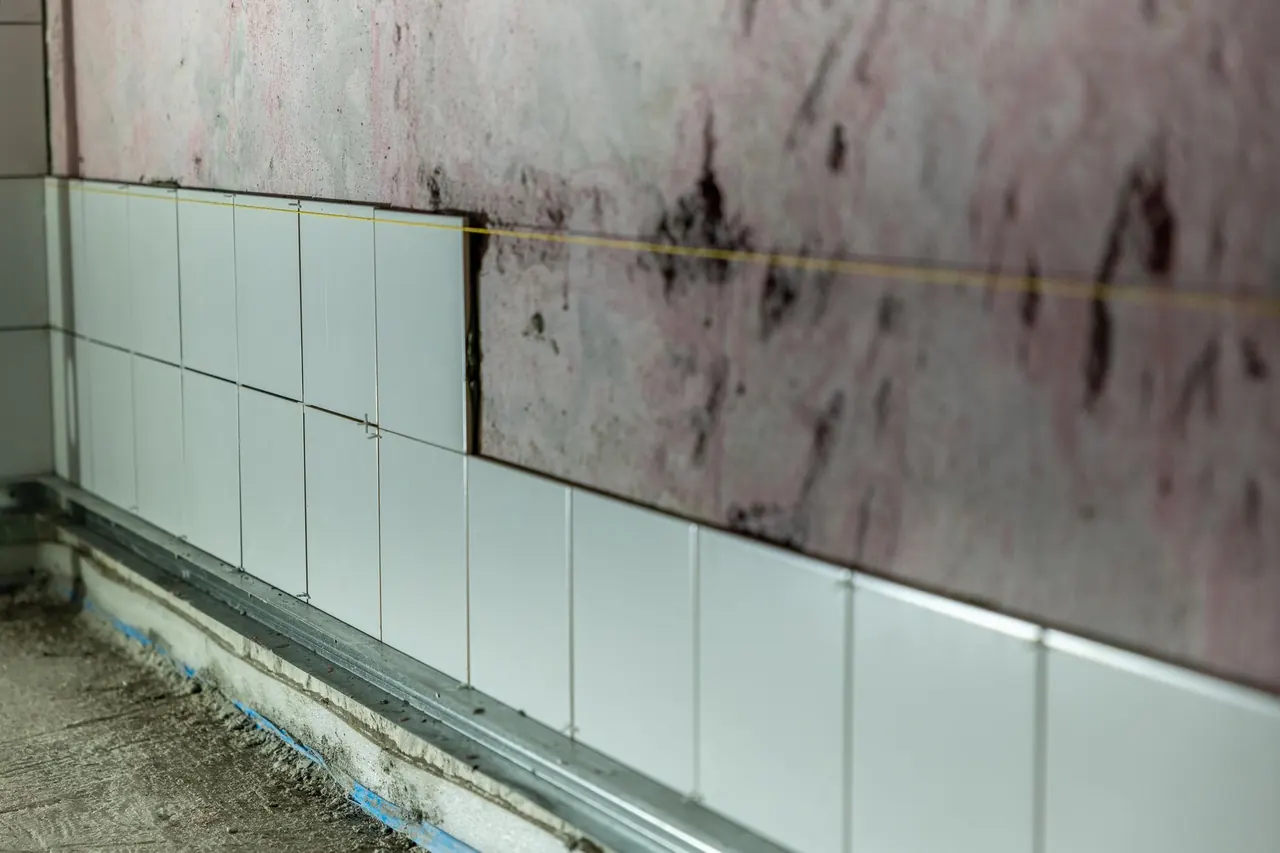
We walk the work area with you, explain what was removed, and review the moisture conditions we observed. When appropriate, we discuss independent testing or reconstruction as the next phase. Your final handoff includes practical guidance on ventilation, leak monitoring, and keeping indoor humidity near 30 to 50 percent.
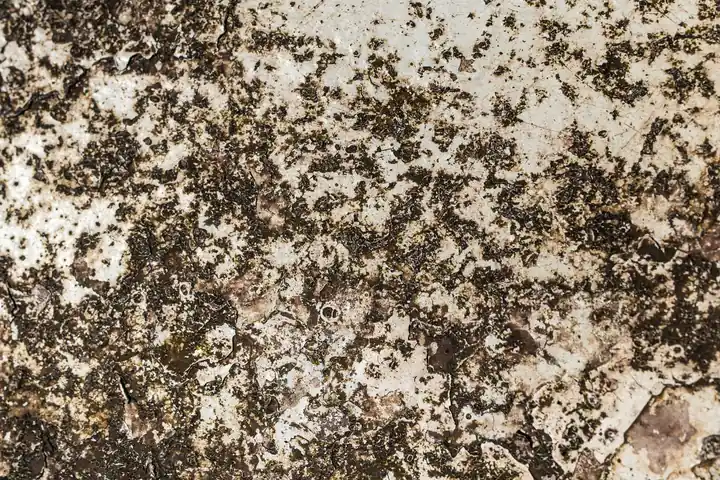
We measure moisture in accessible building materials and compare readings across affected and unaffected areas. That helps us judge drying progress rather than relying on surface appearance alone.

We use thermal patterns to identify areas that may need closer inspection, such as a damp ceiling below a roof leak. Imaging points us toward verification; it does not confirm mold by itself.
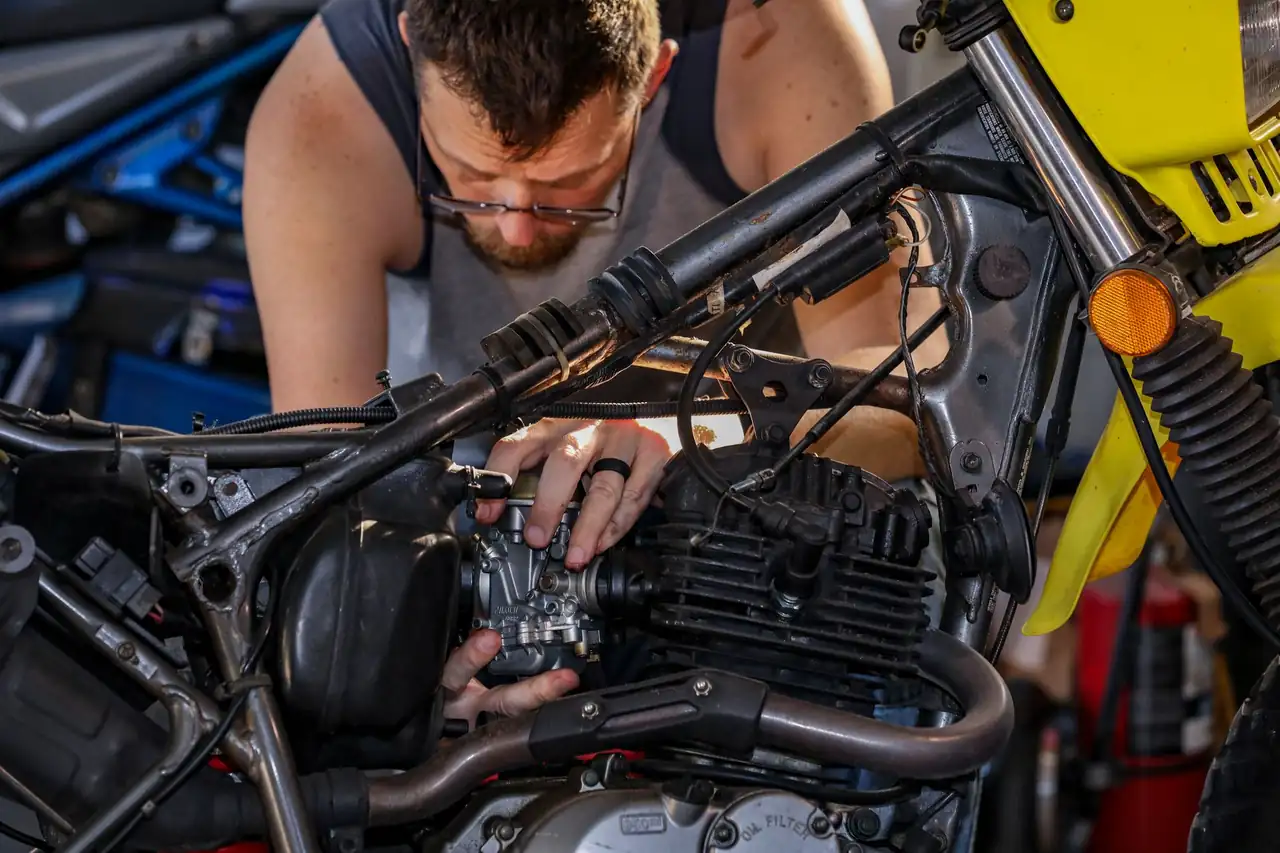
We use filtered air equipment to capture airborne particles during contained work when the project scope calls for it. Placement and operation depend on room layout and the materials being disturbed.
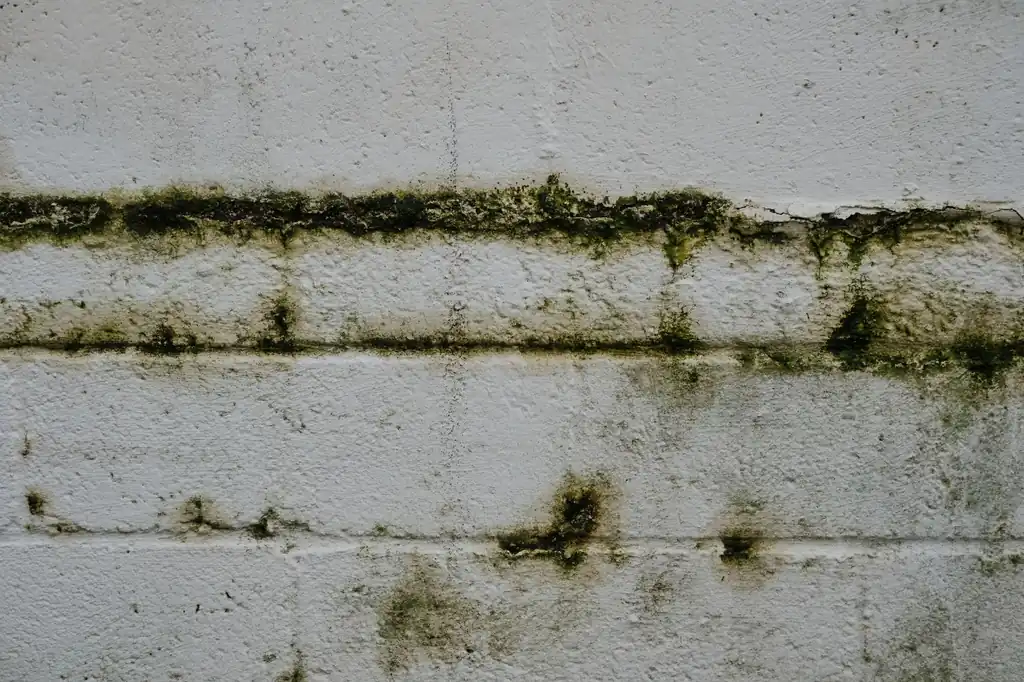
We vacuum dust and settled debris from suitable surfaces during cleanup. The HEPA filtration helps capture fine particles, while careful technique keeps the work within the established containment.
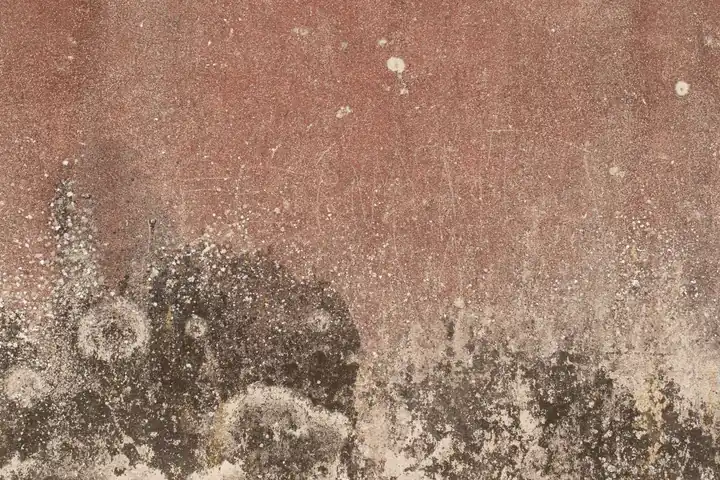
We use dehumidification to support drying when indoor humidity is slowing moisture removal. Readings help us evaluate progress and determine when the affected assembly is ready for the next repair phase.
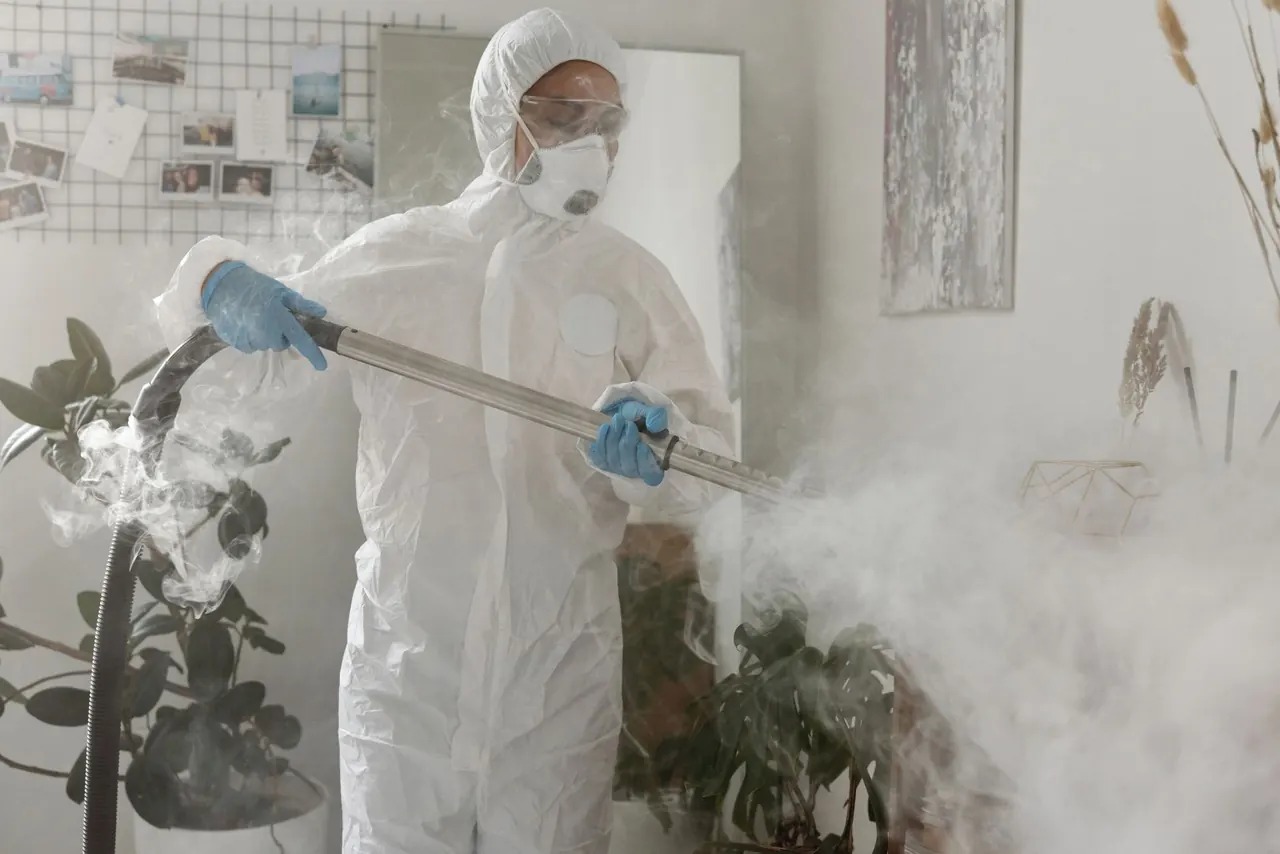
We trace likely water entry before cleaning, checking plumbing, roof lines, condensation, and ventilation around the affected room. The purpose is to connect visible growth with a correctable moisture condition. If water is still entering, we address that sequence before treating cleanup as complete.

We establish a work boundary, protect adjacent rooms, and remove porous material that cannot be reliably cleaned. Debris is handled within the contained area to limit transfer through the home. We keep demolition focused on documented damage rather than opening walls without a reason.
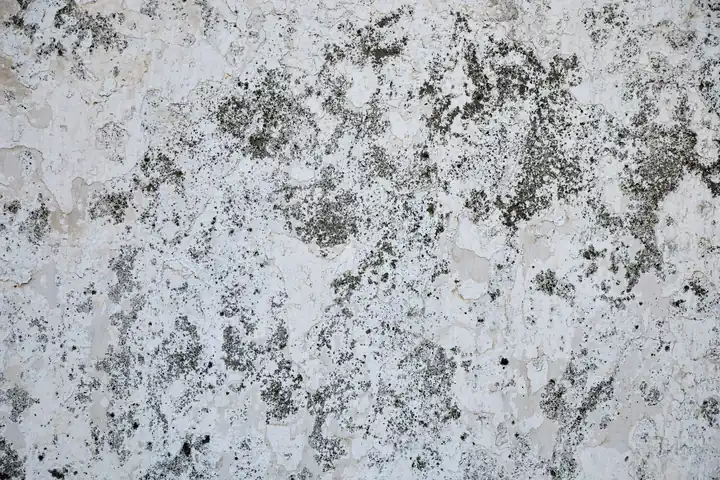
After removal, we HEPA vacuum and clean appropriate retained surfaces, then support drying with air movement or dehumidification as needed. Follow-up moisture readings guide the handoff. If the assembly remains damp, reconstruction waits until the moisture condition has been corrected.
We inspect the cabinet, adjacent drywall, and floor edge to find how far moisture traveled. After the plumbing source is stopped, we contain the affected area, remove material that cannot be cleaned, and dry the remaining assembly. We also check nearby surfaces before closing the work zone. You get a defined cleanup area, a plan for damp materials, and practical direction for restoring the cabinet and wall once they are dry.
We check the ceiling and accessible attic-side materials for moisture, then coordinate the remediation sequence after the roof opening is addressed. Containment protects the room while damaged drywall or insulation is removed. We HEPA clean retained surfaces and monitor drying before the ceiling is rebuilt. The wet materials are addressed instead of covered, and you know which roof and drying steps must be complete before repairs.
We inspect the wall, bathroom ventilation, and plumbing side of the assembly to determine whether moisture is recurring. We isolate the affected room, remove damaged porous materials when needed, and share the sequence for correcting ventilation or leaks with the property manager. Your maintenance plan can address the moisture cause and the affected wall together, reducing repeat visits for the same visible spot.
Black mold removal in Orlando must account for long humid stretches, frequent summer storms, and air-conditioned homes where cool surfaces meet moist indoor air. That combination can create condensation around supply registers, closets, and poorly ventilated bathrooms. We check the water path as well as the visible growth, because a leaky roof or plumbing leak can wet a wall cavity well beyond the stain. In older Orlando homes, settled fittings and aging finishes may complicate access; newer buildings can have tightly sealed rooms that hold moisture when ventilation is inadequate. Our toxic mold removal Orlando FL approach starts with inspection and containment, then removes affected materials and supports drying. For black mold removal from walls Orlando FL, we check both sides of the wall when accessible and assess insulation and wood framing before deciding how far to open the assembly. We serve neighborhoods including Lake Nona, College Park, and Thornton Park, and coordinate the sequence around active water repairs. Our local service covers Orange County and nearby communities.
A homeowner found black spotting beside a shower and a musty smell that returned after surface cleaning. The plumber had stopped the leak, but the drywall remained damp near the baseboard. The visible patch measured about 6 square feet; moisture checks showed the affected area extended behind the trim.
We contained the bathroom, removed the damp drywall and insulation, and HEPA cleaned the exposed framing. The opened area dried over several days, with follow-up readings falling toward the dry reference materials. The homeowner could see what had been removed and knew when the wall was ready for reconstruction.
Run the bathroom exhaust during showers and for 20 minutes afterward. Check the repaired plumbing connection monthly for the first three months, and keep the door open between uses when practical.
After a storm, a dark ceiling patch spread from a bedroom corner and softened the drywall. The roof leak had been stopped, but wet insulation remained above the ceiling. The affected area was about 12 square feet, and the room had a persistent odor after rain.
We protected the bedroom, removed the damaged ceiling section and wet insulation, then HEPA cleaned retained surfaces. Drying equipment ran for several days while moisture readings were checked. The source repair was completed before the opening was prepared for reconstruction, preventing a cosmetic cover-up over wet material.
Inspect the ceiling after heavy rain for new discoloration or soft spots. Keep roof drainage clear and contact a repair professional promptly if water reappears around the repaired section.
A tenant noticed a musty odor and spotting on a closet wall beside an air-conditioning system. The room felt cool, but the wall corner remained damp. A quick wipe removed the surface mark temporarily, while condensation continued near the equipment and kept the odor coming back.
We isolated the closet, removed the affected drywall, and checked adjacent materials for moisture. HEPA cleaning and dehumidification supported drying, while the property manager arranged an HVAC inspection for the condensation source. The work area was ready for repair after readings showed the exposed materials had dried.
Keep the closet clear enough for airflow around the equipment and check the condensate drain periodically. Report recurring dampness early; repeated condensation deserves attention before wall finishes are replaced.
Black mold removal Orlando FL addresses growth linked to damp building materials, persistent leaks, or poor air movement. We look beyond the visible mark so your cleanup plan reflects the affected area and the moisture conditions behind it.
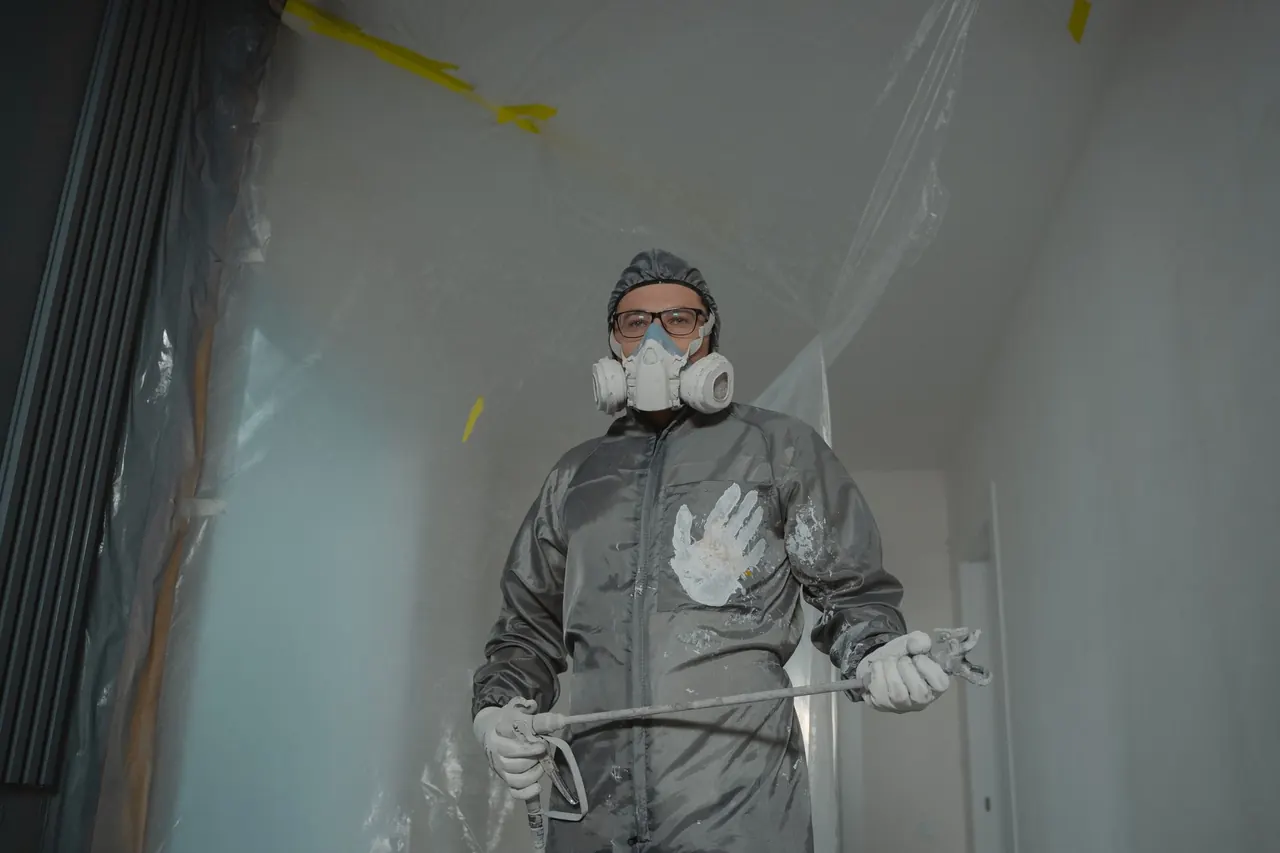
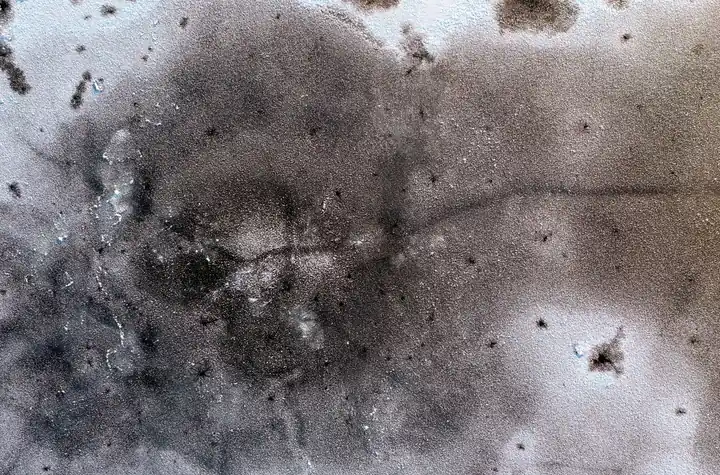
We inspect the surrounding wall and floor, check for plumbing leaks and condensation, and contain the affected area before disturbing materials. If drywall or insulation is damaged, we remove it and clean retained surfaces. We also explain the source correction and drying needed to keep the repaired bathroom from becoming damp again. Repeated spotting can signal persistent dampness behind grout, drywall, or trim. Continued moisture damages finishes and can enlarge the area that needs removal.
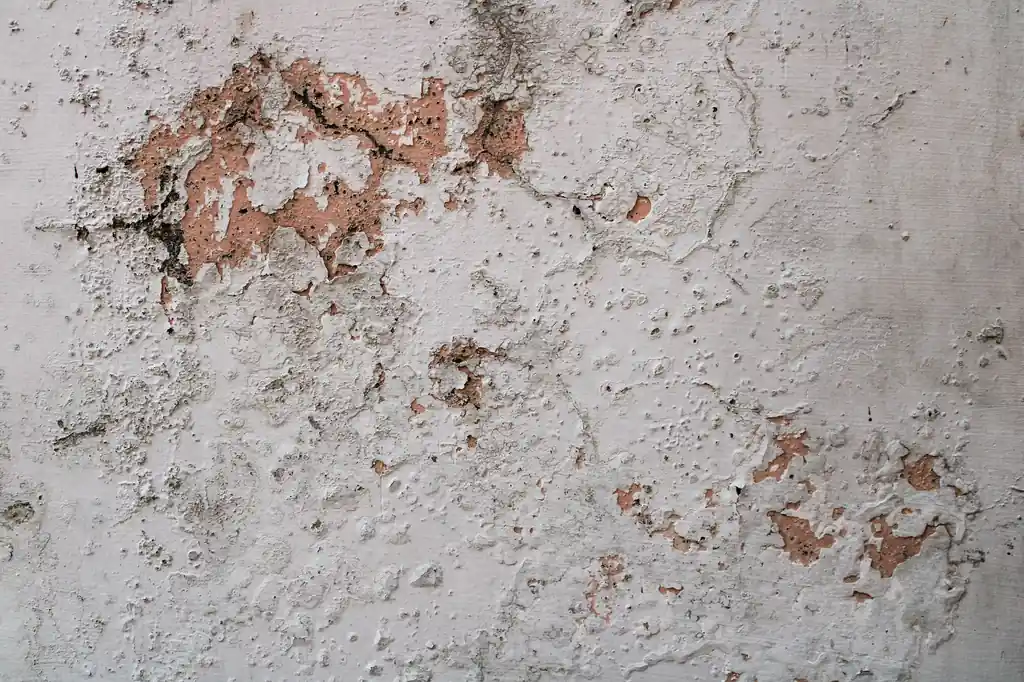
We trace the likely water path and check affected materials with a moisture meter. Where contaminated porous material cannot be cleaned, we remove it under containment, HEPA vacuum exposed surfaces, and dry the assembly. You get a clear sequence for completing the source repair and preparing the area for reconstruction. Odor can remain where wet insulation, framing, or drywall has not dried. Closing the wall too early can hide continued moisture and allow damage to persist.
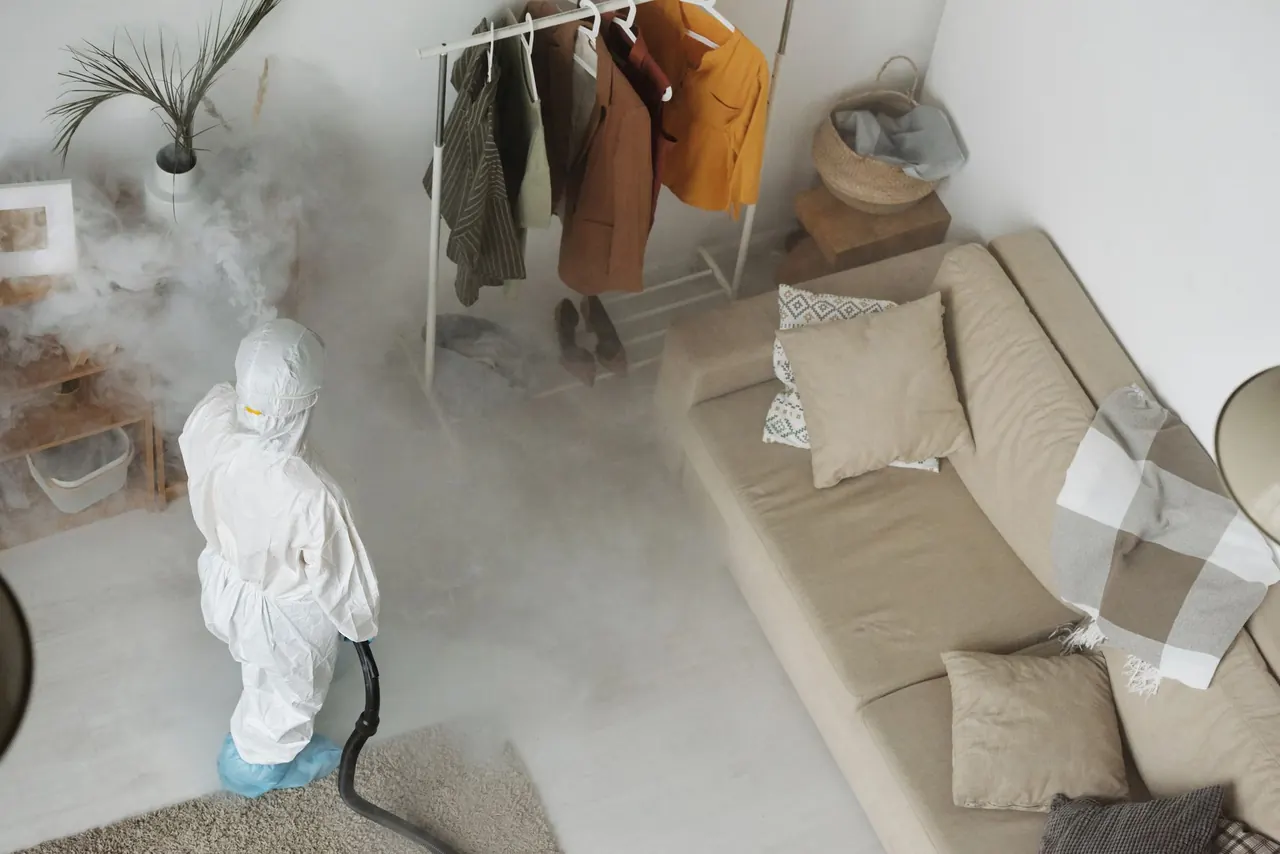
We inspect the closet, adjacent wall, and accessible HVAC ductwork for moisture clues. Our crew contains removal if affected material requires opening, cleans surfaces that can remain, and checks drying conditions. We explain whether ventilation or an HVAC repair should follow the remediation so you can address the cause, not just the stain. Condensation or poor ventilation can keep nearby surfaces damp, while duct leakage may contribute to moisture around the system. Ignoring the source invites recurring growth.
We isolate the affected room with plastic sheeting and control airflow before disturbing mold-affected material. That reduces the chance of spreading dust into adjoining living areas. For a small bathroom, the setup can take a few hours; larger rooms need more containment and careful access planning.
A clean surface will not stay clean if a leak or damp assembly remains. We use moisture readings and a visual inspection to identify likely sources, then coordinate the remediation sequence around the needed repair. Your next step is clear: correct the water entry, dry the structure, and monitor it.
Our technicians protect nearby belongings and work in a defined zone, so you know which rooms are affected and where access is restricted. If black mold removal services Orlando requires opening a wall, we document the material removal and explain what must dry before reconstruction begins.
After removal, we HEPA vacuum and clean appropriate surfaces, then review visible conditions and moisture readings with you. For affected areas under roughly 10 square feet, the job may be limited; wider growth or hidden damage requires a larger plan. We explain the difference before work proceeds.
Clear records you can keep and share.
Summary of affected materials and visible conditions.
Readings and drying observations from accessible areas.
Practical direction for source repair and reconstruction.
Visible mold is only one part of the problem; damp materials and continuing water entry matter too. We explain what needs removal and what can remain after cleaning.
Dark growth cannot be identified by appearance alone. We plan removal around the affected material and moisture conditions, not an assumption based on color.
Drywall and insulation can hold growth beyond the surface. Nonporous materials may be cleaned when their condition and the work area allow it.
Cleanup does not stop a leak or condensation by itself. We check moisture and explain what source correction is needed before repairs close the assembly.
Outside these neighborhoods? Call to ask about service coverage across Orange, Seminole, and Osceola counties. (728) 300-9969
Stachybotrys chartarum produces heavy mycotoxins that easily become airborne when dry or disturbed. Attempting DIY removal or scrubbing without negative-pressure HEPA containment releases millions of spores into HVAC ducts and adjacent living spaces, spreading contamination throughout the home and creating severe respiratory hazards.
Mold growth can aggravate allergies or asthma and should be addressed, especially when it covers a large area or follows ongoing water damage. A mold's color does not identify its species or determine its health risk. We focus on containing growth, removing affected material, and correcting moisture rather than diagnosing illness. If anyone has symptoms, speak with a healthcare professional while we assess the property and limit disturbance.
We inspect the moisture source, contain the work zone, remove unsalvageable porous materials, and clean retained surfaces with HEPA equipment and suitable products. The steps vary by material and affected area; drywall and insulation often require removal if growth has penetrated them. We then dry the assembly and review readings. For toxic black mold remediation Orlando FL, the same practical controls apply: manage moisture and prevent spread during removal.
Professional removal is appropriate when growth covers more than about 10 square feet, returns after cleaning, follows a leak, or appears inside a wall or HVAC area. Small surface spots on a hard, nonporous surface can sometimes be cleaned safely, but do not disturb extensive growth or wet drywall. We inspect the affected area, explain the likely source, and recommend a controlled plan suited to your property.
Stop guessing at a dark stain or musty room. Our team will discuss the affected area and arrange the next step for your property. Call Orlando Mold Guardians at (728) 300-9969 for direct help with black mold removal in Orlando.
Call Orlando Mold Guardians at (728) 300-9969 to discuss a leak, visible growth, or a persistent musty smell. Our office hours are Monday through Friday, 8:00 a.m. to 6:00 p.m.; leave your name, neighborhood, and a short description if you reach voicemail, and we will respond during business hours. We serve Orlando, Florida, and nearby Orange County communities.