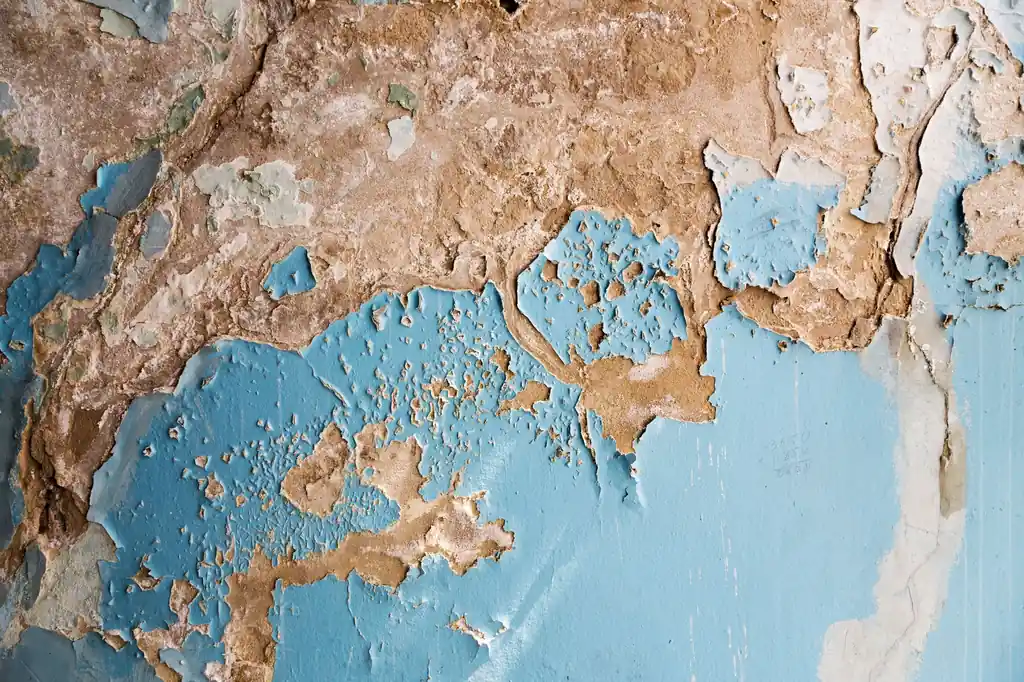
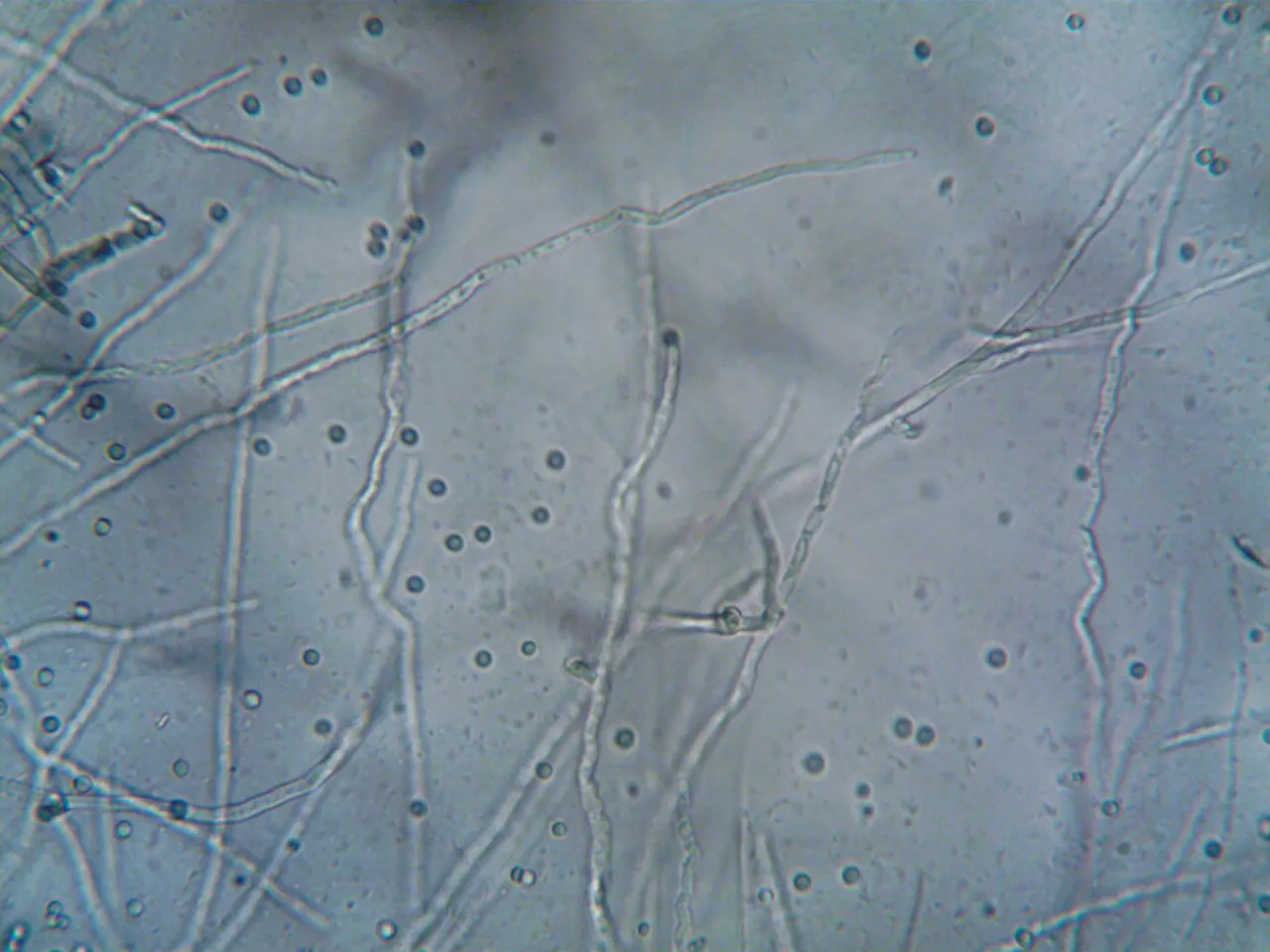
Moisture map
Affected locations and comparison readings.
When water reaches your floors or walls, water damage restoration Orlando FL helps stop the spread and brings affected spaces back toward dry, usable condition. Orlando Mold Guardians serves homeowners, tenants, and property managers facing plumbing leaks, storm intrusion, or flooding. Our Orlando water damage restoration services begin with finding the source, measuring moisture, and removing standing water so you can make informed decisions about drying and repairs.
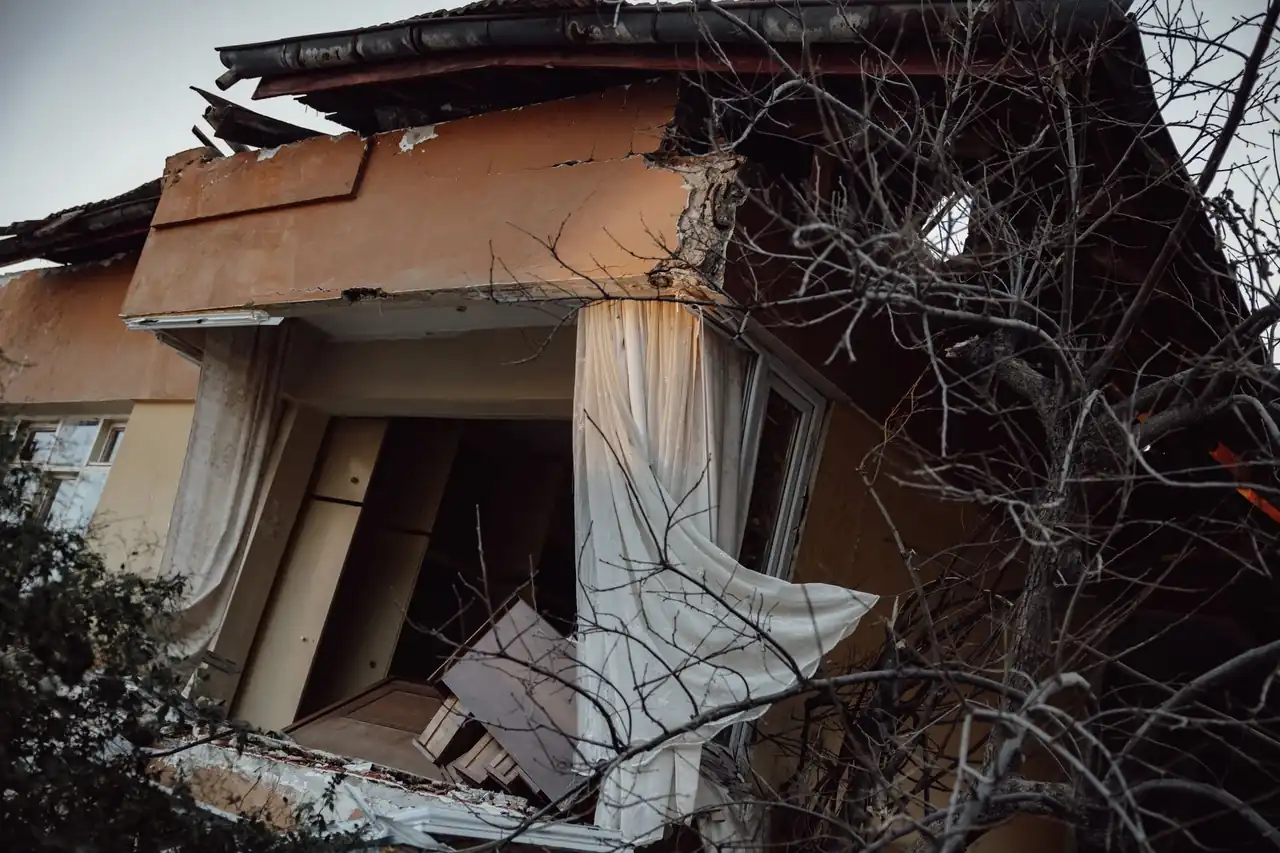
Water damage restoration covers assessment, water extraction, structural drying, and progress checks for the affected areas. We explain whether materials can be dried in place or need removal, and we protect unaffected spaces during necessary work. Rebuilding, plumbing repairs, and insurance decisions are separate tasks handled by the appropriate provider or policy. We keep the restoration sequence clear so you know what is being done and why.
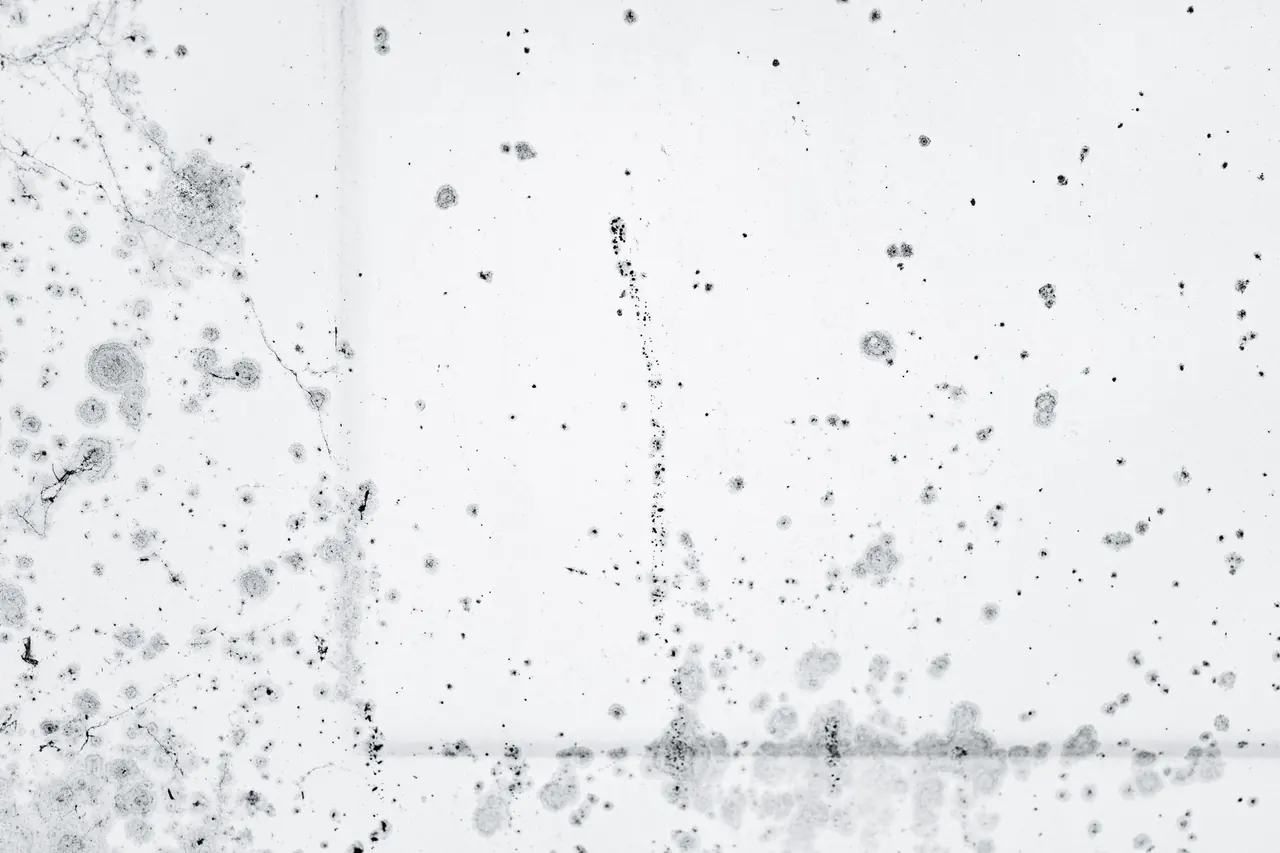
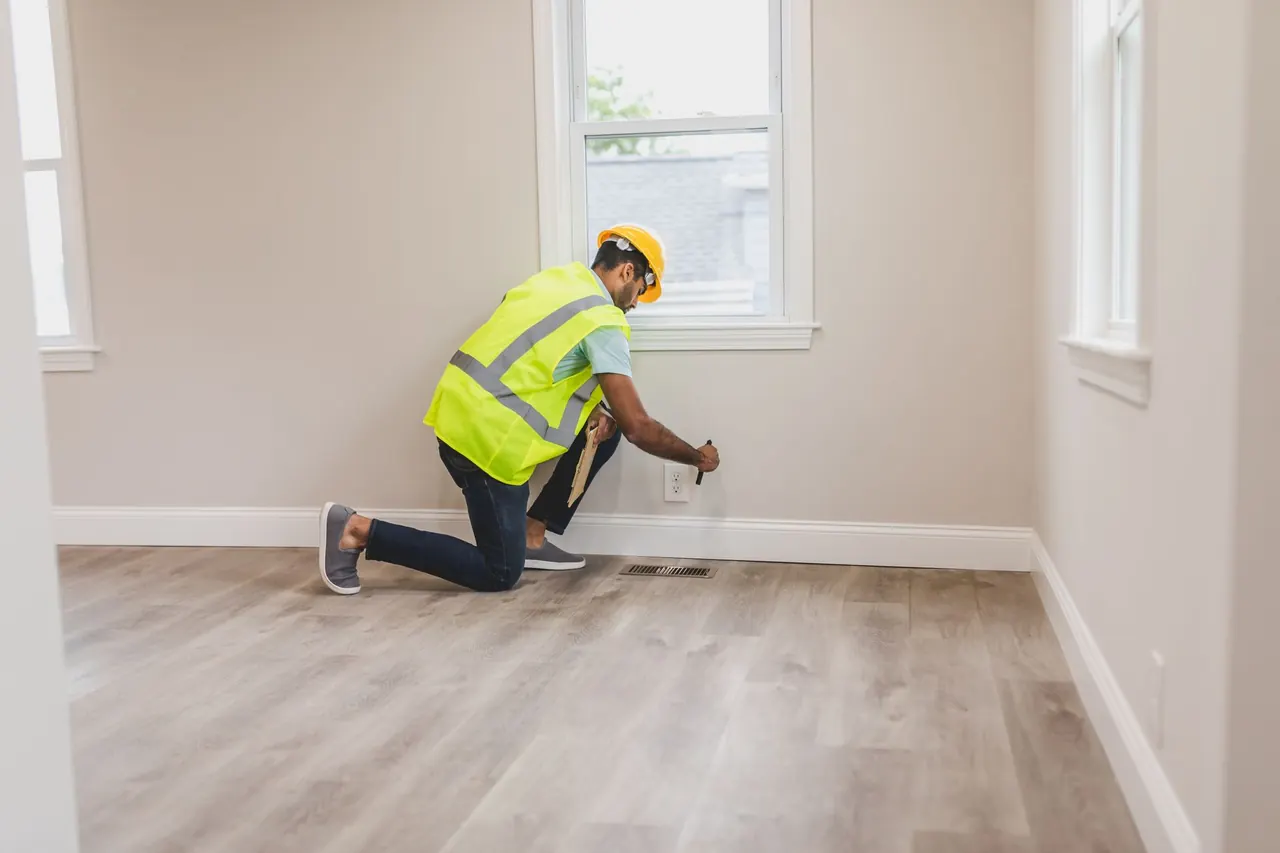
We help homeowners and tenants address leaks, overflows, and storm water before damp materials create a larger repair. You get a clear view of affected rooms, drying progress, and the next practical step.
We work with owners and property managers to identify affected areas while keeping access and occupancy needs in view. Our team tracks moisture and communicates what must be dried before finish repairs proceed.
Water damage restoration Orlando FL is a building recovery service that removes unwanted water, dries affected materials, and addresses damage after leaks or flooding. We inspect the visible loss and nearby rooms, identify the water source, and use moisture readings to map what needs attention. Water extraction comes first when water is standing; controlled drying follows with air movement and dehumidification. We check drywall, insulation, wood framing, and floor edges because dampness can travel beyond the stain you see. The goal is a documented, dry structure ready for appropriate repair.
Orlando homes face sudden plumbing leaks, summer storm intrusion, and flooding that can leave water beneath flooring or behind baseboards. High humidity slows natural drying, while poor ventilation and condensation can keep a small leak active. Our water damage repair Orlando FL work focuses on the source and the affected materials rather than covering a stain. If you are searching for water damage restoration Orlando FL near me, we can assess the affected rooms, explain the drying plan, and help you limit further damage.
Remove standing water, dry the materials, and verify progress with measured readings.
Water damage restoration Orlando FL follows a sequence: assess the source, remove water, dry the structure, and verify progress. We explain what we find before equipment is set, then return for measurements as the drying plan advances. A straightforward room may need several days of drying; extensive losses take longer.
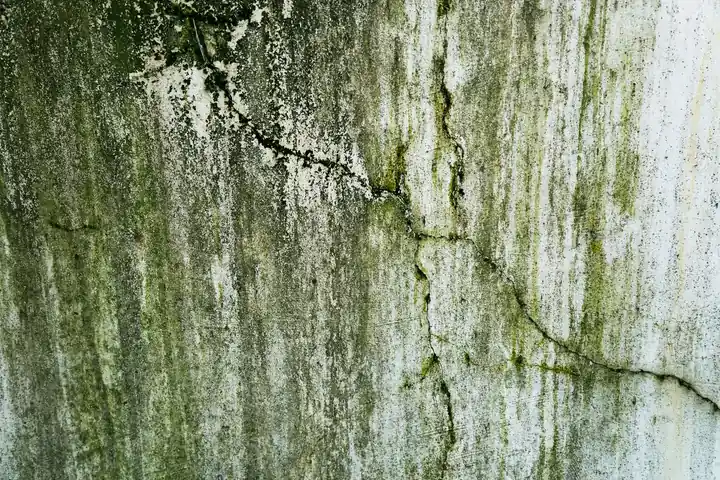
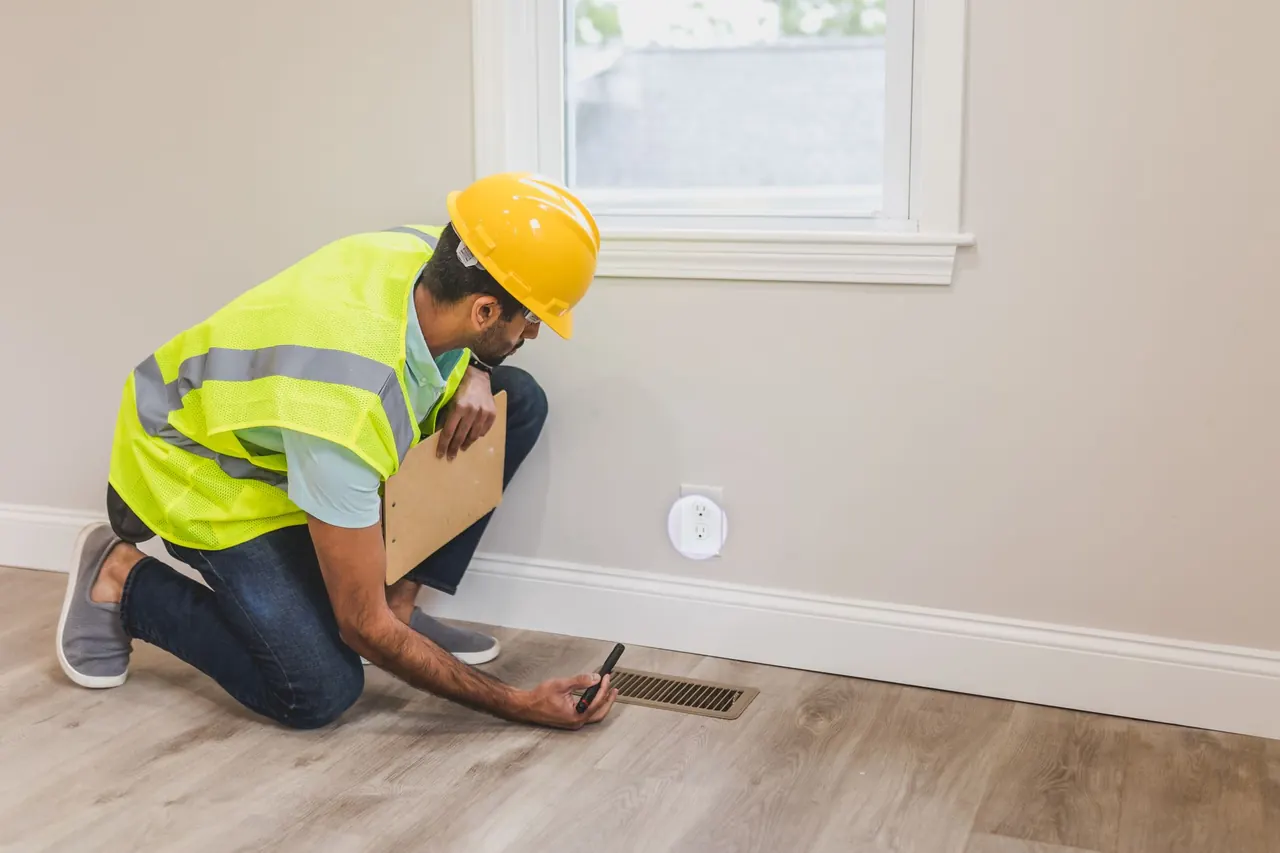
We start by asking where water appeared and when it was noticed, then inspect affected rooms and adjoining surfaces. A moisture meter helps compare damp materials with unaffected areas, and a thermal imaging camera helps locate temperature differences for further checking. This first visit often takes one to two hours, depending on access and the size of the loss. You receive a practical explanation of the immediate priorities.
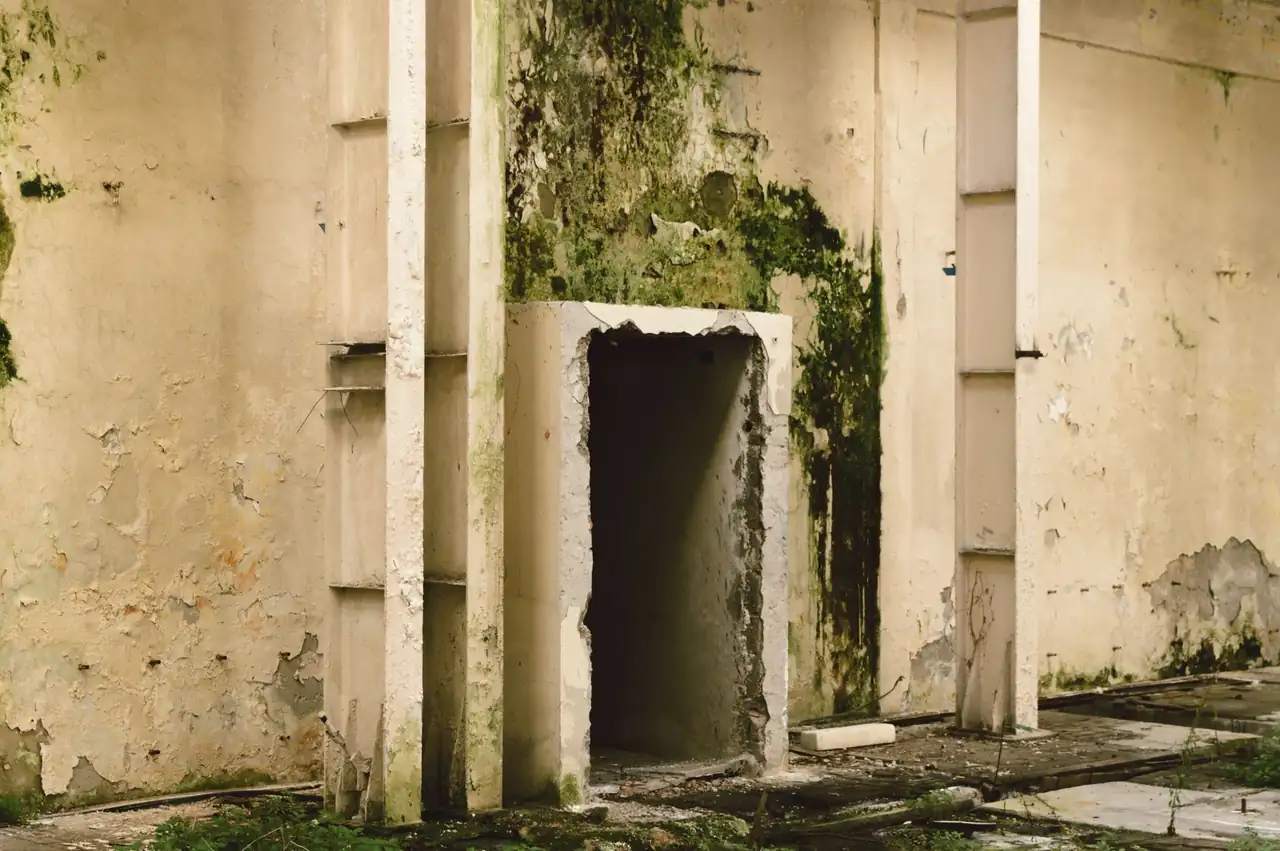
Drying cannot hold if water is still entering. We identify whether the problem points to a plumbing leak, appliance line, leaky roof, or storm opening, and advise on the next action needed to stop the flow. We do not represent ourselves as a plumbing contractor; when a trade repair is required, we explain what must be corrected before drying can finish. You know which issue is active and which is restoration.
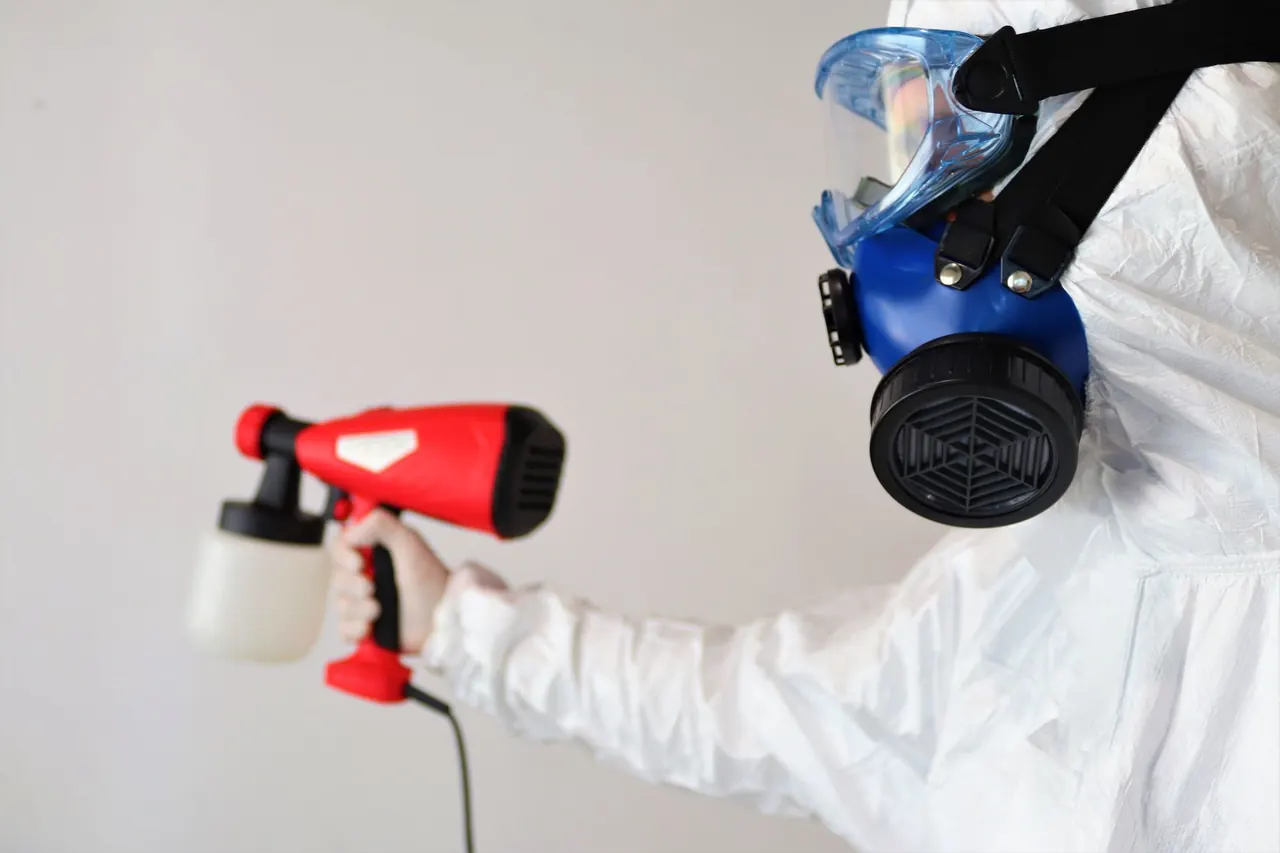
We remove accessible water from floors and other affected surfaces with suitable extraction equipment, taking care around furniture and contents. The time depends on the room, flooring, and depth of water; a small contained area can take a few hours, while multiple rooms need a staged approach. We protect unaffected paths and keep you informed about items that need to be moved for access.
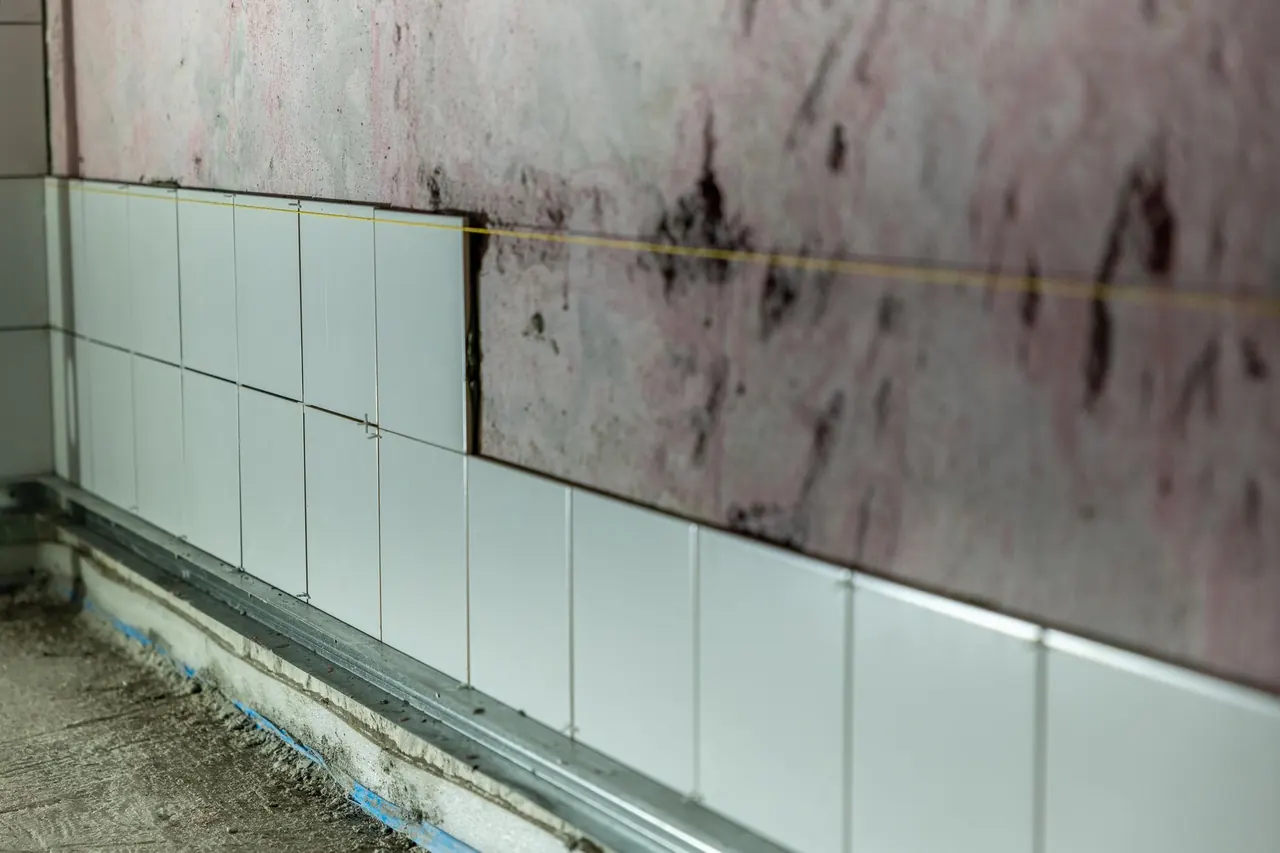
We position air movers and a dehumidifier to move moisture out of materials and capture it from the room air. Equipment placement depends on the room layout and measured dampness, not a fixed number of machines per home. Where removal is needed, we isolate the work area with plastic sheeting and use appropriate filtration. You receive instructions on access, noise, and daily equipment checks.
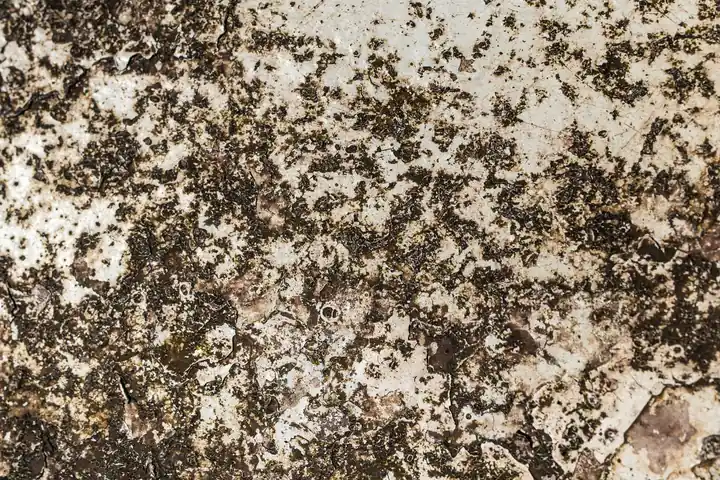
We revisit the affected areas and compare moisture readings with the initial map and suitable dry reference points. Drying often takes about three to five days for a contained loss, though dense materials, hidden cavities, and high humidity can extend the schedule. Once readings support completion, we review remaining repair needs and provide the documented status so you can plan flooring or drywall work.

We use it to compare readings in affected drywall, wood, and flooring with nearby reference points, helping track whether materials are drying between visits.
It shows temperature patterns that can guide further inspection behind surfaces. We confirm suspicious areas with moisture checks rather than treating the image alone as proof.
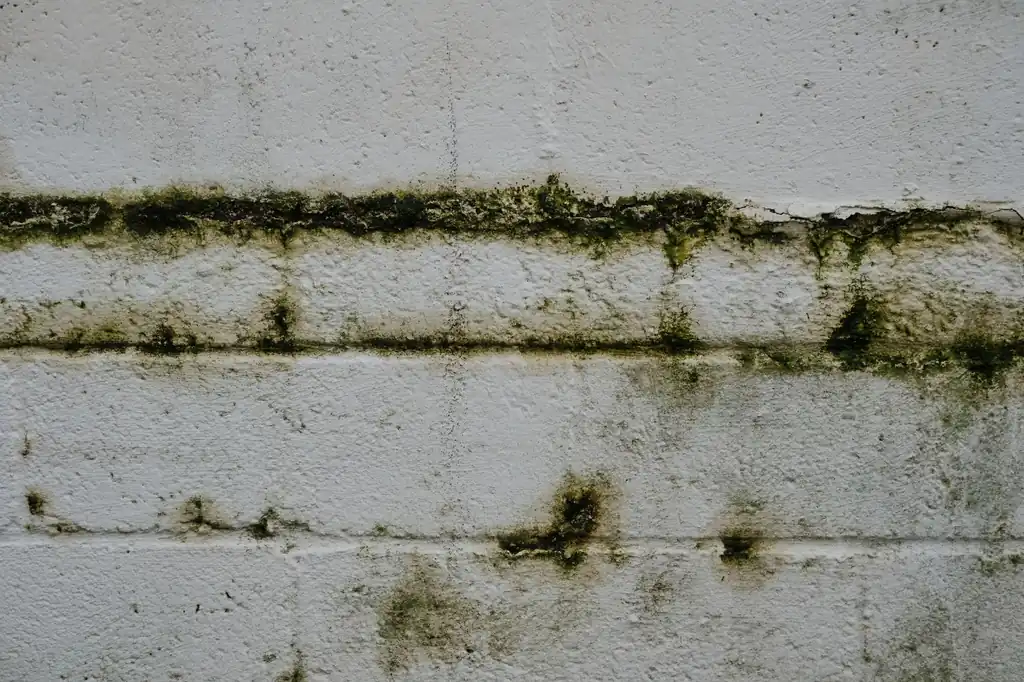
The unit removes water vapor from indoor air as damp materials release moisture. We select its placement based on room layout and monitor conditions during the drying period.
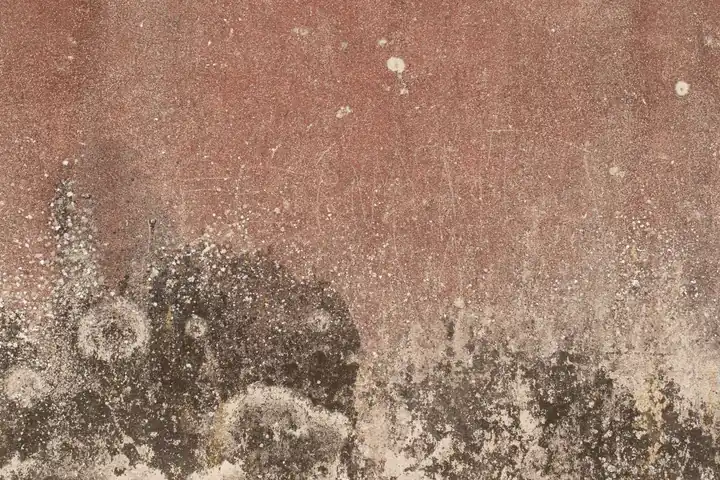
When the work creates airborne particles, an air scrubber with HEPA filters helps capture them. We use containment and filtration suited to the task and occupied space.
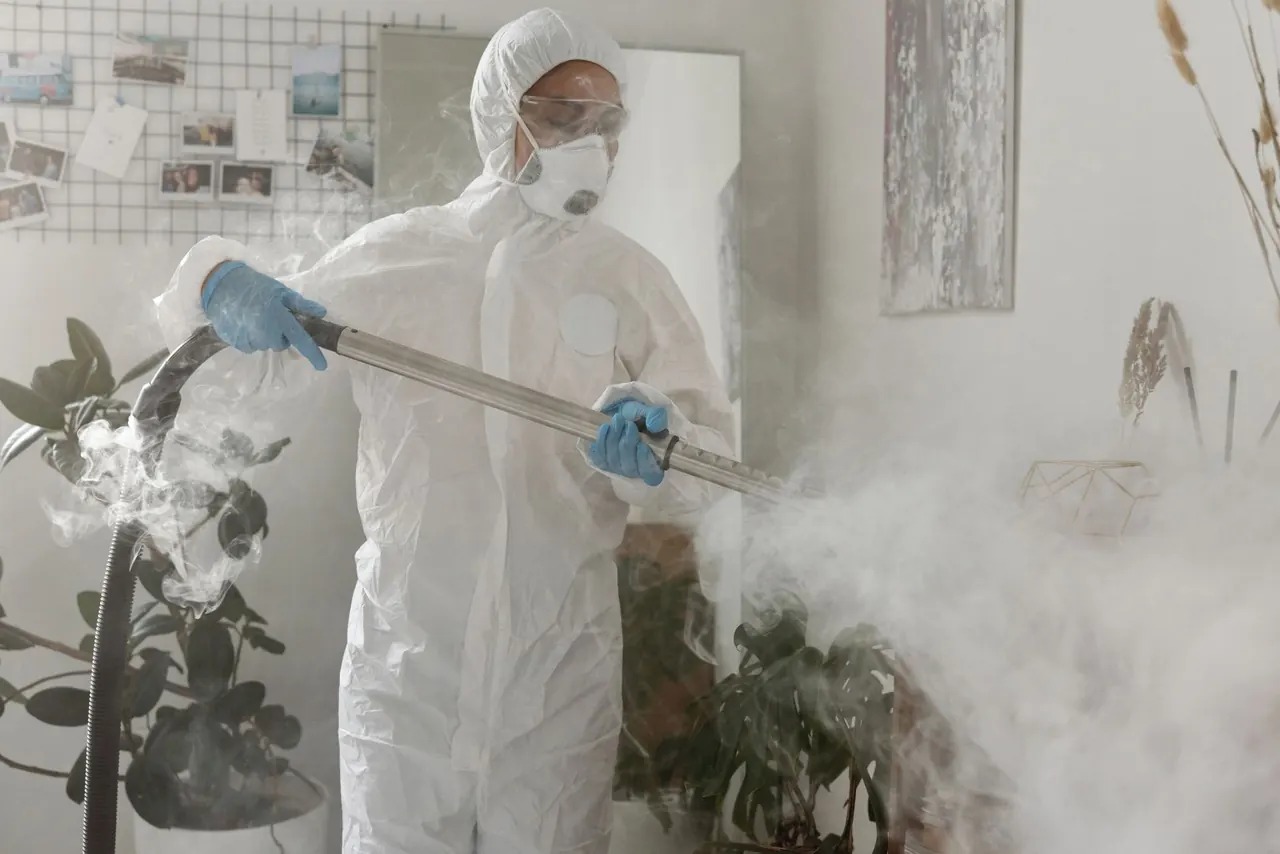
We use a HEPA vacuum for appropriate fine-particle cleanup after controlled removal or cleanup tasks, reducing settled dust in the immediate work area.

Extraction equipment removes accessible standing water from floors and surfaces before structural drying. We match the approach to the material, amount of water, and access.
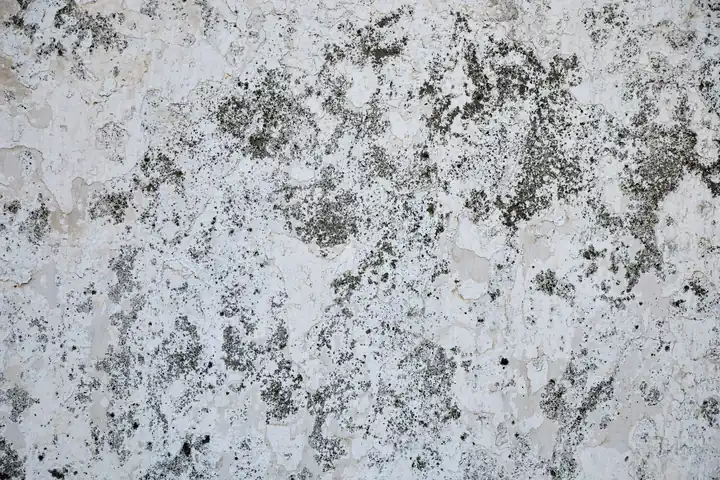
We first identify whether water is still entering from a plumbing leak, appliance, roof opening, or other source. Drying equipment cannot solve an active leak. We explain what must be stopped, then organize extraction and drying around the actual path of water.
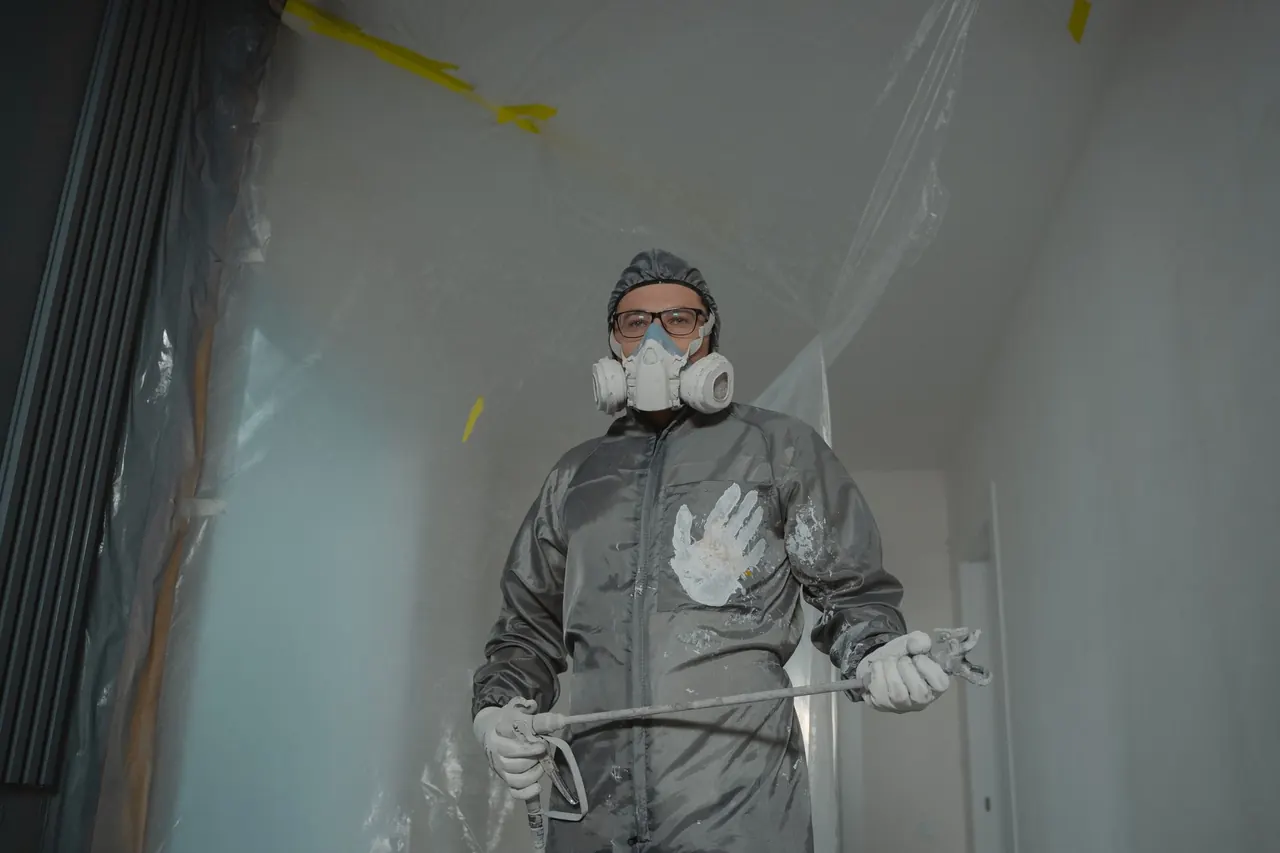
We mark affected locations and take repeat readings at comparable points. This shows whether moisture is moving out of materials and helps identify areas that need additional attention. We use measurements alongside visual inspection, since no single reading or image tells the whole story.
We locate the visible water, extract what has spread, and check the wall and floor edge for moisture. We identify whether the heater source is still active and explain the repair needed to stop it. After contents are moved, we set drying equipment and record readings for the affected materials. You know which areas need drying, which items should be moved, and what must happen before the room returns to normal use.
We inspect the ceiling, nearby walls, and flooring for water travel, then remove accessible water and protect unaffected contents. The opening must be covered or repaired to stop further entry. We dry the affected structure and revisit moisture readings before the ceiling repair is scheduled. The active wet area is contained, drying is measured, and the repair team can work from a clearer picture of the damage.
We extract water from the laundry floor and inspect the route into the hall, including baseboards and flooring seams. We move equipment to account for both spaces and keep a usable path where possible. Follow-up checks show whether moisture has reached concealed edges. The property manager gets a record of the affected footprint and a drying status to coordinate tenant access and floor repairs.
We assess both the bathroom and the ceiling impact below, checking the source and affected materials before setting equipment. We remove accessible water and identify whether wet ceiling material needs controlled removal. Drying is monitored across both levels because moisture can remain between floors. You have a coordinated plan for the upper leak and lower ceiling, rather than treating the visible stain as the entire loss.
Orlando's warm, humid climate can slow drying after a leak, especially when a room has limited ventilation or air conditioning is off. Summer storms and roof leaks add sudden water entry, while plumbing failures can affect slab-on-grade homes, townhomes, and multi-story properties. We assess the actual building assembly: tile over concrete behaves differently from carpet over a wood subfloor, and a ceiling leak may affect insulation between floors. Our Orlando water damage restoration services use moisture measurements to decide where equipment belongs and when readings support progress. If a storm loss leaves a persistent odor or visible growth, water damage and mold remediation Orlando FL may require separate but coordinated work. We serve Orange County, including areas around Lake Nona and downtown Orlando, and account for access, occupied rooms, and the need to keep unaffected spaces usable. Water extraction and drying address the loss; roof, plumbing, and reconstruction repairs must also correct the source or damaged finish.
A failed supply line left water across a kitchen floor and beneath the cabinet toe-kick. The visible puddle was gone by morning, but the baseboard still felt damp and the room smelled musty. The homeowner could not tell whether moisture had reached the wall or cabinet base.
We extracted the remaining water, checked the floor edge and lower wall, and set drying equipment based on readings. Follow-up checks over four days showed the affected readings moving toward the comparison area. The homeowner had a clearer record of what needed cabinet or finish repair.
Check sink supply connections every few months and replace a hose that is cracked, swollen, or corroded. Keep the cabinet base clear enough to spot drips early, and shut off the local valve if a new leak appears.
Wind-driven rain entered through a roof opening and stained a bedroom ceiling. Water reached the upper wall, and a section of insulation was damp. A bucket caught the drip, but moisture remained after the rain stopped.
After the opening was addressed, we mapped the ceiling and wall impact, removed accessible water, and dried the affected area. Monitoring continued for five days, with readings recorded at the ceiling edge and wall. The repair could proceed with a defined affected area rather than an expanding stain.
After major storms, look for new ceiling discoloration, loose paint, and damp attic materials. Arrange roof repairs promptly and keep photos of changing stains so the water path is easier to identify.
A washer hose failure flooded a laundry room and sent water into the hallway. Water was visible at the floor seam, but the extent beneath the flooring was uncertain. The tenant needed a safe route through the unit while cleanup was underway.
We removed standing water, checked the hallway edge and laundry-room baseboards, and placed drying equipment without blocking the main path. Over three days, repeat measurements helped track the floor and wall conditions. The property manager received a practical status for repair scheduling.
Inspect washer hoses and shutoff valves at least twice a year, and replace visibly damaged lines. Avoid storing items directly against the laundry-room wall so a small leak is easier to notice.
A leak can leave more than a wet floor: water can travel beneath materials, dampen wall cavities, and create a persistent musty odor. We find the affected footprint, remove accessible water, and build a drying plan around the materials involved. For a flooded basement restoration Orlando FL situation, we also check adjacent surfaces and identify whether water is continuing to enter.
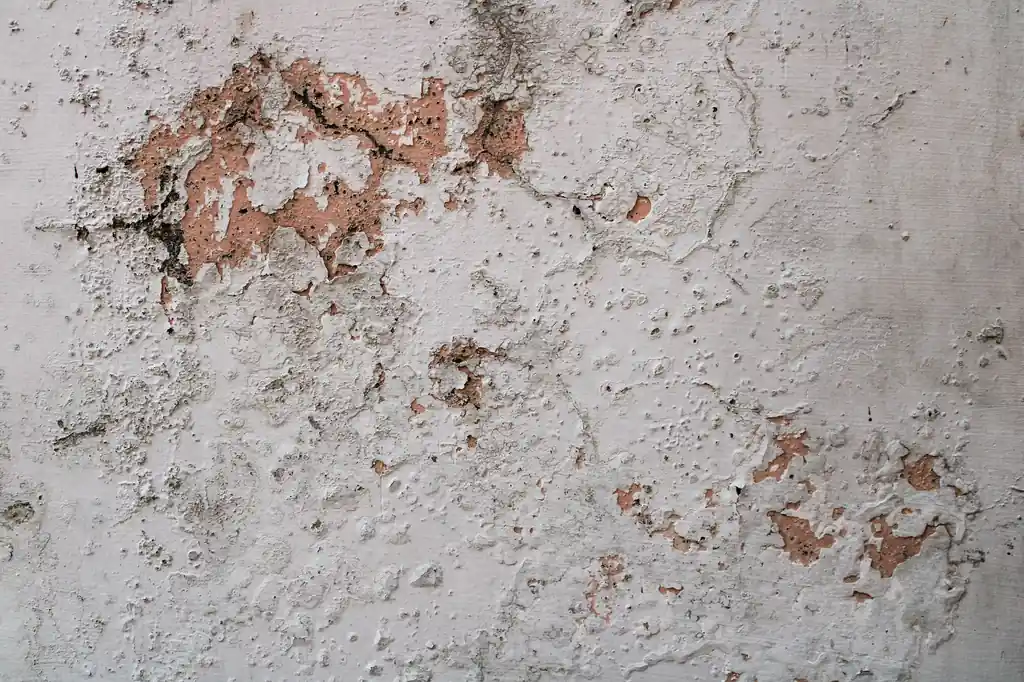
We inspect floor edges and adjacent baseboards, then take moisture readings to locate retained water. Where accessible, we extract water and position drying equipment to move moisture from the assembly. If flooring must be lifted or removed, we explain the affected area and protect the route before work begins. Trapped moisture can soften flooring, damage underlayment, and keep the room humid. A surface that looks dry may still conceal damp material.
We identify the visible impact and check nearby ceiling and wall surfaces for moisture. The roof opening must be stopped before structural drying can finish; we explain the need for a roofing repair and proceed with extraction or controlled material removal as appropriate. Repeat readings help show whether the affected area is drying. Water can spread across ceiling materials and reach insulation or framing. Continued entry increases the area that needs drying and repair.
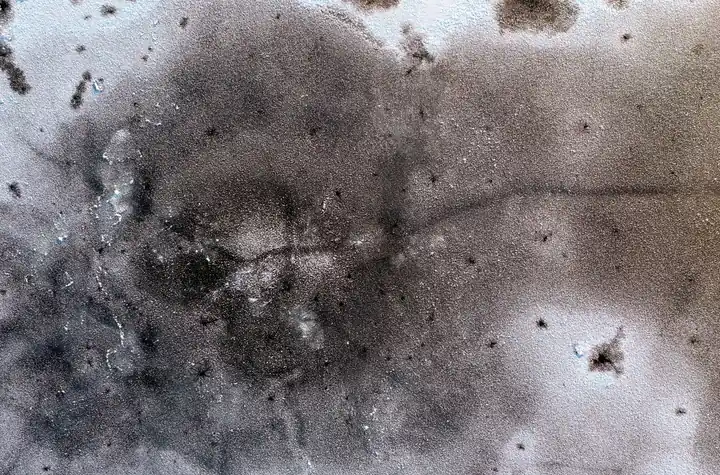
We inspect accessible cabinet edges and nearby walls, use moisture readings to guide the investigation, and remove standing water where present. We focus on drying the materials and identifying what requires repair. If visible growth or ongoing odor remains, we can connect the findings to Mold Inspection or Mold Remediation. Cabinet bases, drywall, and insulation can stay damp in concealed spaces. Odor may persist when the source has not been corrected or materials remain wet.
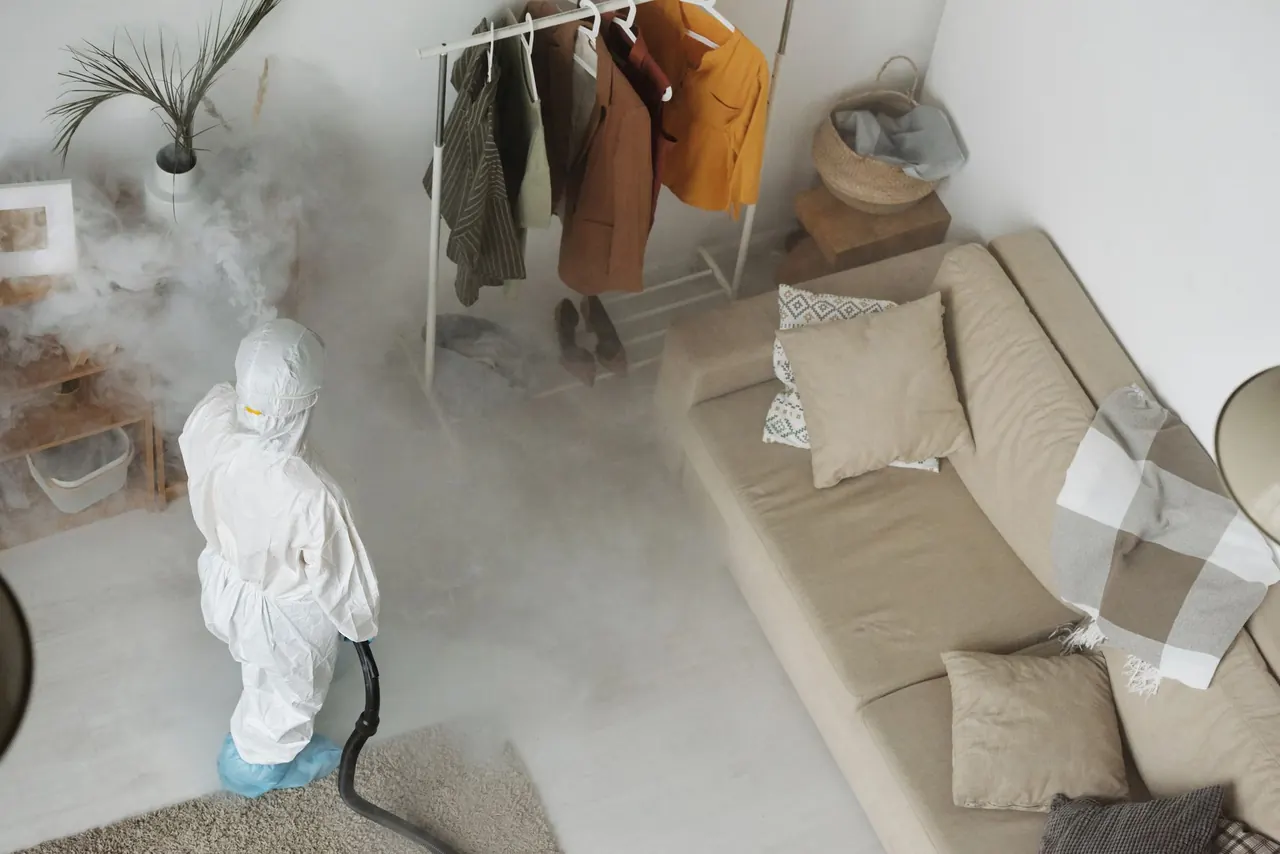
We assess the affected rooms, extract accessible water, and separate damaged contents from areas that can remain in use. We select drying equipment based on the space and material readings, then check progress. If contamination is suspected, we discuss safe handling and the appropriate cleaning approach before materials are disturbed. Floodwater can affect multiple materials and leave debris, damp walls, and elevated indoor humidity. Delay makes cleanup and drying more involved.
Standing water keeps spreading into flooring seams, cabinets, and lower wall cavities. We use extraction equipment to pull out accessible water, then inspect nearby surfaces with a moisture meter. For a contained room, extraction can take several hours; larger flooding requires more time. Removing bulk water early gives drying equipment a better chance to work on the moisture left in materials.
We record moisture readings at affected and comparison locations instead of relying on touch or appearance. A dehumidifier and air movement support controlled drying, while repeat checks show whether readings are moving toward a dry standard. You can see which areas remain wet and why equipment stays in place. That reduces guesswork before repair work begins.
Water that disappears from the floor can remain behind baseboards or inside a wall cavity. We inspect the edges of the loss and use thermal imaging to identify temperature patterns that warrant closer moisture checks. If damp drywall or insulation needs removal, we explain the affected area and protect adjacent rooms with plastic sheeting before work.
After water extraction Orlando FL, you need to know whether the room is drying, which materials need repair, and what remains to be addressed. We document readings, discuss the source and drying status, and coordinate the next practical step. If musty odor or visible growth appears, we can discuss the connection to mold inspection or remediation.
Clear records you can keep and share.
Affected locations and comparison readings.
Equipment placement and follow-up measurements.
Repair needs and remaining restoration priorities.
Water removal and structural drying address moisture in the affected area. Rebuilding replaces or repairs finishes after drying progress supports that next step.
Drying will not hold while water keeps entering. Stop the leak or opening first, then address the wet materials.
A dry-looking surface may hide moisture at an edge or inside a wall. Readings help track the condition over time.
Drying does not replace damaged flooring, drywall, or cabinets. Once the area is ready, schedule the needed finish repairs.
Outside these neighborhoods? Call to ask about service coverage across Orange, Seminole, and Osceola counties. (728) 300-9969
Professional restoration utilizes industrial truck-mounted extractors, low-grain refrigerant (LGR) dehumidifiers, and high-velocity axial air movers to dry saturated materials within 24 to 48 hours. Rapidly reaching structural dry standards eliminates the moisture window fungi require to germinate.
A contained water loss often takes three to five days to dry, while repairs can add several days or weeks. We begin with extraction, then monitor moisture readings as a dehumidifier and air movers run. Dense flooring, wet insulation, concealed cavities, and Orlando humidity can extend drying. The schedule depends on measured progress, not just the number of fans or the appearance of the wall.
Homeowners insurance may cover sudden accidental water damage, but coverage depends on your policy, cause, exclusions, and documentation. Gradual leaks or flood-related losses may be treated differently from a sudden pipe failure. Photograph the affected rooms, keep receipts, and contact your insurer promptly. We can document visible damage and drying progress, but your insurer determines coverage and any claim payment.
Yes, damp materials can support mold growth when they remain wet, and growth may begin within 24 to 48 hours under favorable conditions. Warm weather and high humidity make prompt drying especially important in Orlando. We remove standing water, measure moisture, and dry affected materials; if you see growth or persistent odor, water damage and mold remediation Orlando FL may require coordinated assessment and treatment.
Tell us what happened, where water is visible, and whether it is still flowing. Our team will help you identify the immediate restoration priorities and explain the next step. Call Orlando Mold Guardians at (728) 300-9969.
Call Orlando Mold Guardians at (728) 300-9969 to discuss a leak, visible growth, or a persistent musty smell. Our office hours are Monday through Friday, 8:00 a.m. to 6:00 p.m.; leave your name, neighborhood, and a short description if you reach voicemail, and we will respond during business hours. We serve Orlando, Florida, and nearby Orange County communities.