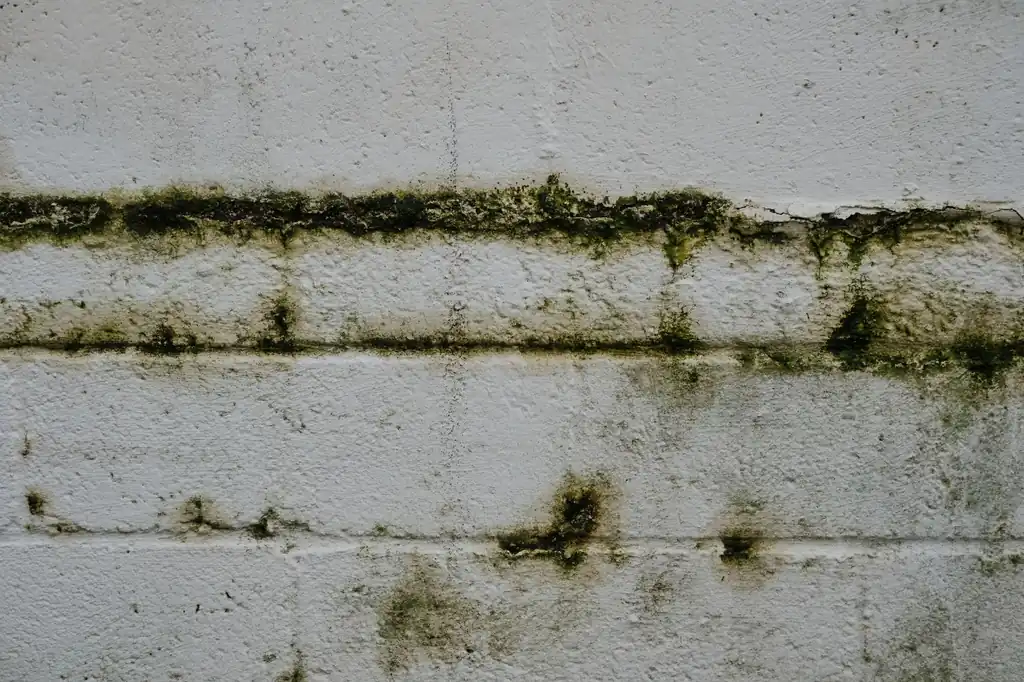
Field observations
Recorded locations, visible conditions, and moisture readings.
Mold testing Orlando FL gives homeowners, tenants, buyers, and property managers a clearer answer when musty odors, water damage, or visible growth raise concern. Orlando Mold Guardians checks moisture conditions and collects targeted samples when appropriate, then explains what the findings mean in plain language. Our Orlando mold testing services help you distinguish a localized concern from a broader indoor-air issue before you plan repairs or remediation.
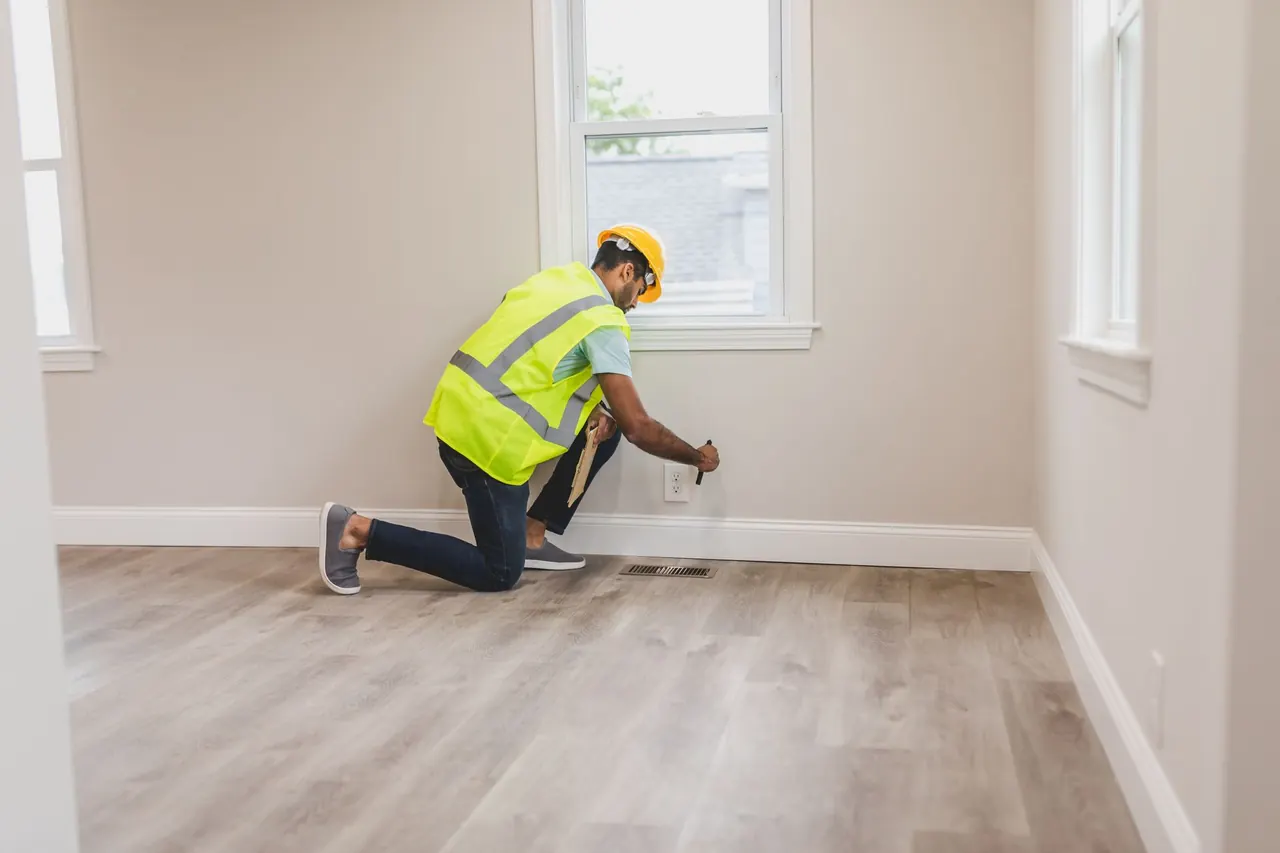
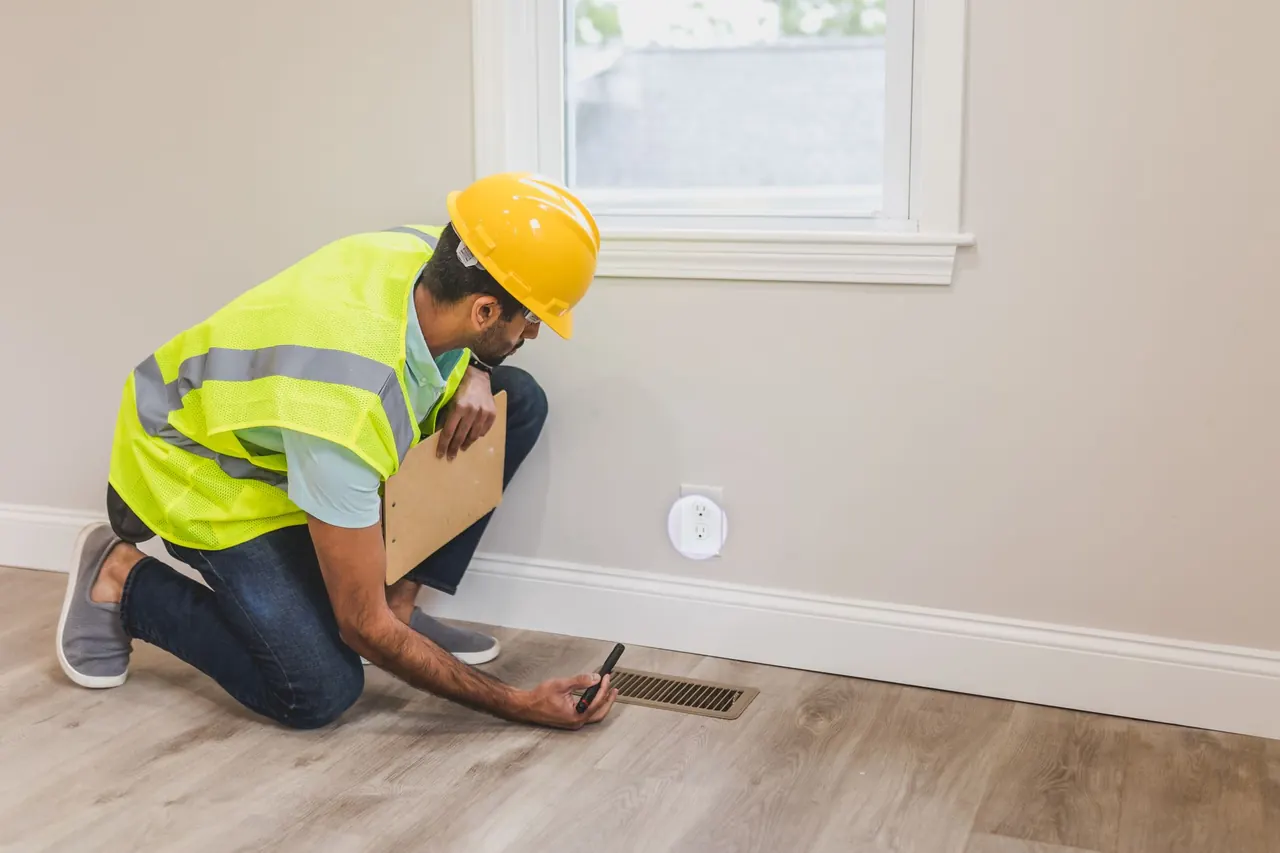
Your visit includes a focused discussion, visual review of accessible areas, moisture measurements, and an explanation of whether sampling fits the concern. When samples are collected, the plan identifies their locations and purpose, and laboratory analysis is explained as a separate stage of the process. The visit does not automatically include opening walls, repairing leaks, or removing materials; those actions require a separate work plan based on what the inspection finds.

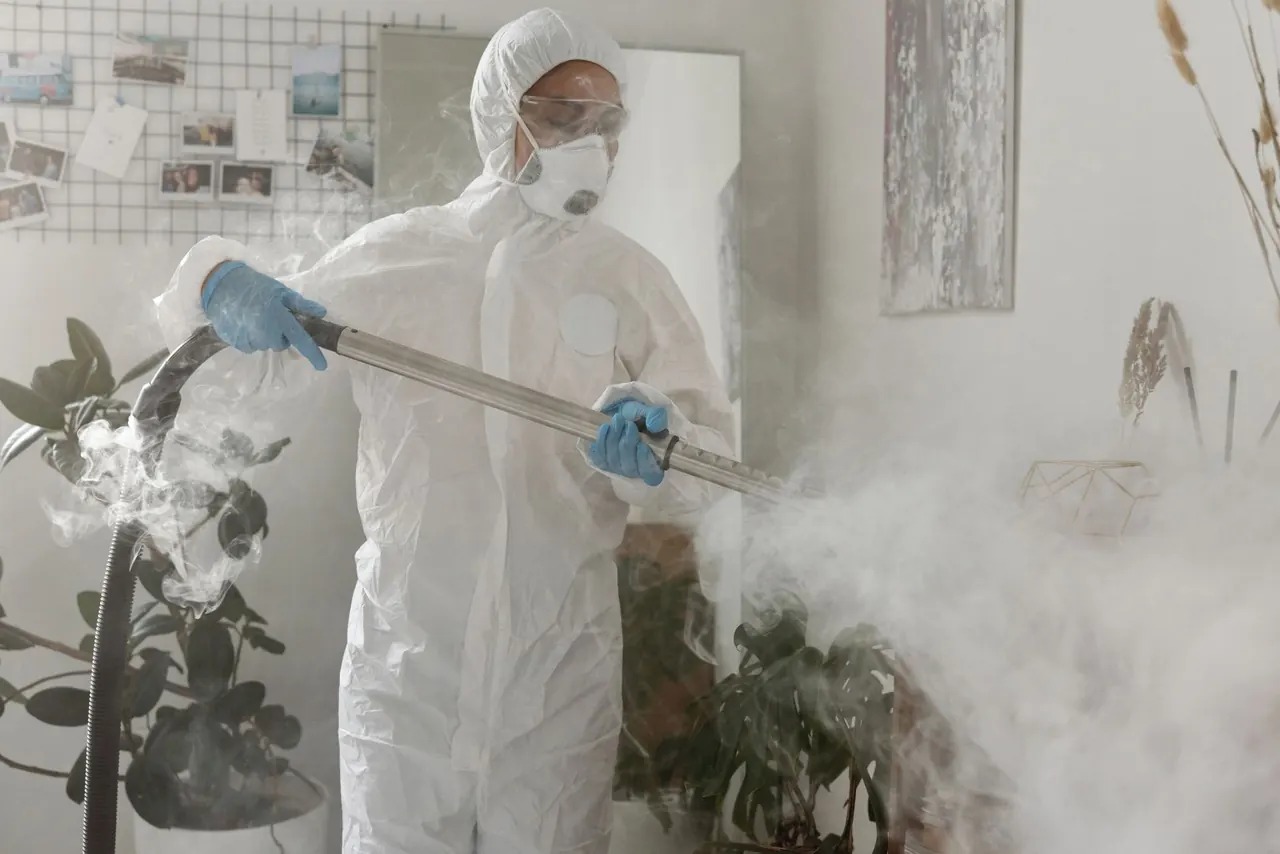
We help homeowners and tenants investigate musty odors, stains, and damp materials with focused observations and measurements. You receive an explanation of what was checked and which next step fits the findings.
We focus visits on reported rooms and accessible materials so owners and property managers can coordinate repairs with less guesswork. Sample locations and field observations are documented for practical follow-up.
Mold testing Orlando FL is an environmental assessment that evaluates suspected mold conditions through visual observations, moisture measurements, and, when useful, laboratory analysis of collected samples. We start by asking about leaks, flooding, odors, and occupant concerns, then inspect accessible surfaces and compare moisture readings across affected and unaffected areas. A moisture meter helps locate damp drywall or wood framing; sampling is selected to answer a defined question, not simply to produce a test result. Findings are documented with the location, method, and limitations of each measurement.
Orlando's warm, humid conditions can keep building materials damp after a leaky roof, plumbing leak, or air-conditioning condensation event. Poor ventilation and wet insulation behind a wall can prolong the problem even after the visible water is gone. If you are searching for mold testing Orlando FL near me, we focus the visit on the rooms and building conditions you identify, including the timing of symptoms or odor changes. That context helps us decide whether surface, air, or moisture-focused evaluation best fits the question.
Testing connects sample findings with moisture conditions, building history, and the specific question you need answered.
Mold testing in Orlando follows a practical sequence: define the concern, inspect the relevant areas, select appropriate measurements or samples, and explain the findings. Most appointments take about 1.5 to 3 hours for a typical home, with time varying by size, access, and the number of rooms involved.
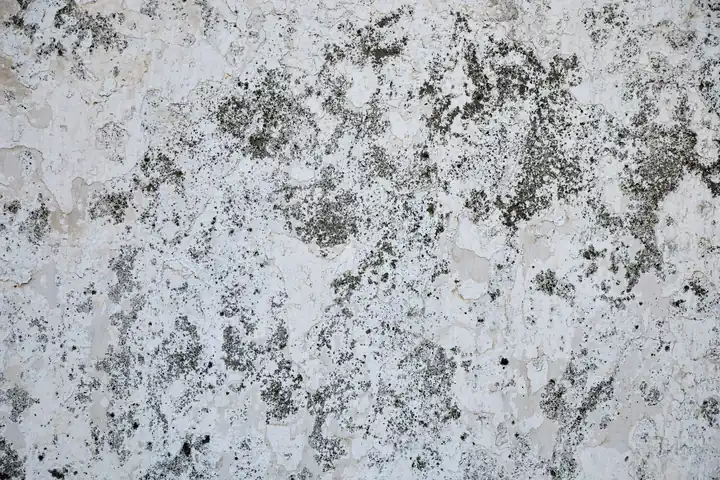
At the start of the visit, we ask when the odor or staining appeared, whether there was a leak or flood, and what repairs have already been made. You can point out rooms where symptoms or smells change. This conversation usually takes 10 to 20 minutes and helps us avoid collecting samples that do not answer your concern.
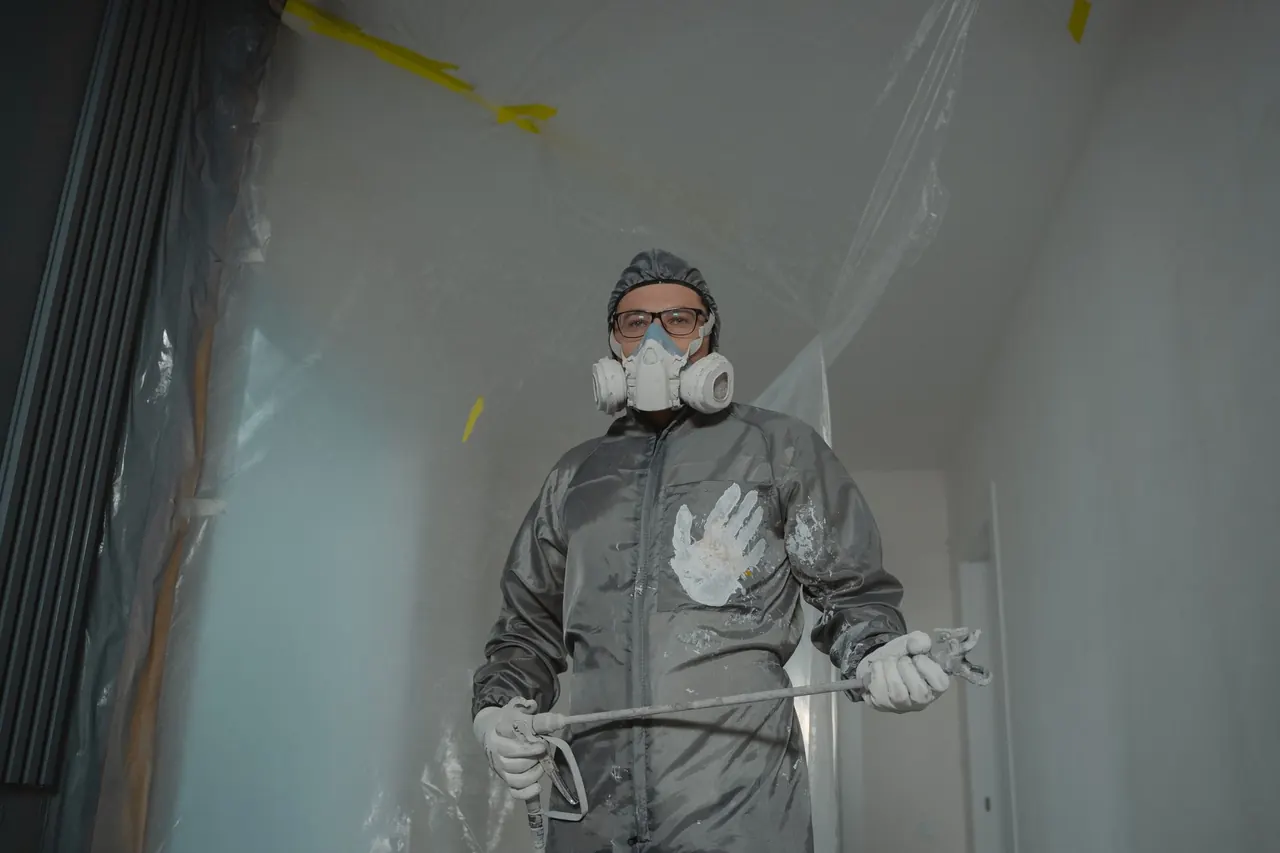
We examine accessible surfaces, plumbing-adjacent walls, window areas, and other locations linked to the reported issue. A moisture meter records readings at suspect materials and comparison points; a thermal imaging camera can help identify temperature patterns that warrant closer checking. We do not treat an image as proof of mold. It guides the physical inspection.
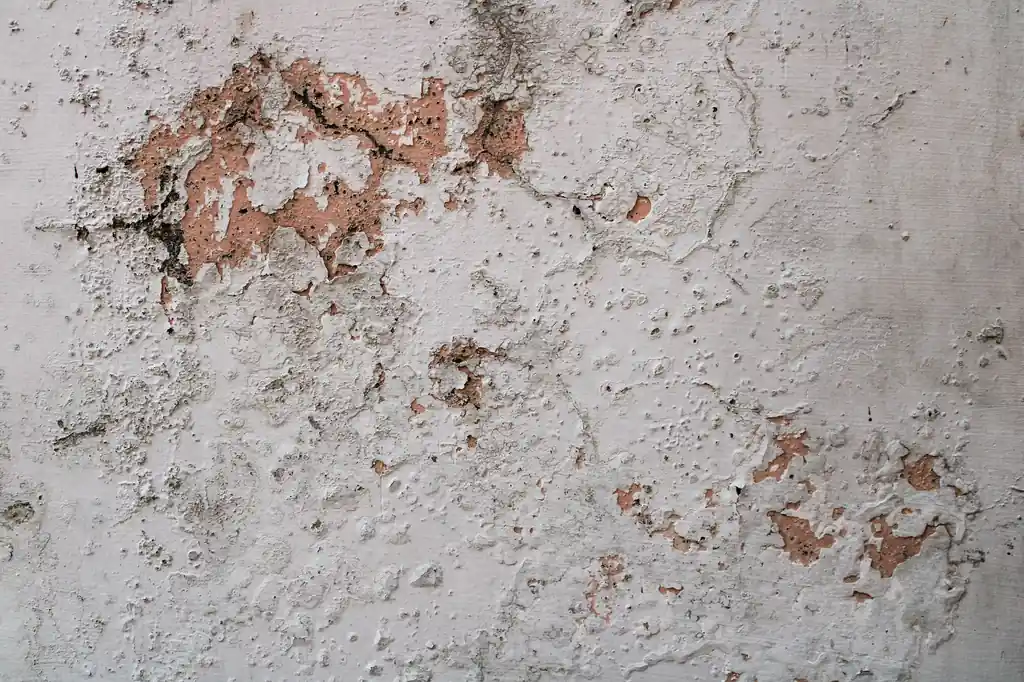
We explain whether air, surface, or bulk sampling is appropriate and what question each sample addresses. If you approve the plan, we collect samples using consistent handling and record the location and conditions. The number of samples depends on the property and concern; a focused visit often uses 2 to 5 samples rather than sampling every room.
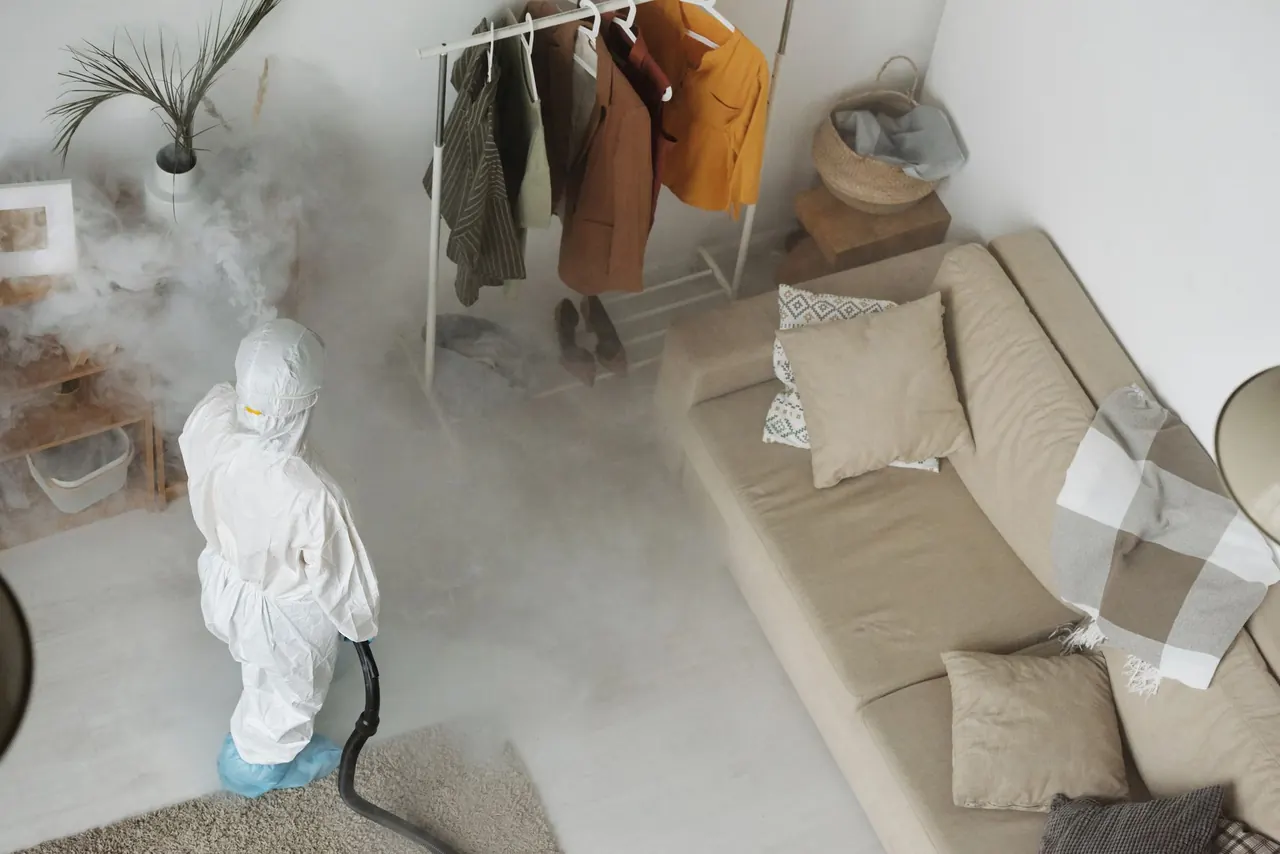
Samples selected for laboratory analysis are packaged and submitted with identifying information. Turnaround is commonly 2 to 5 business days after the lab receives them, depending on the test and laboratory workload. We tell you which findings are pending and which site observations are already available, so you are not left guessing about the process.
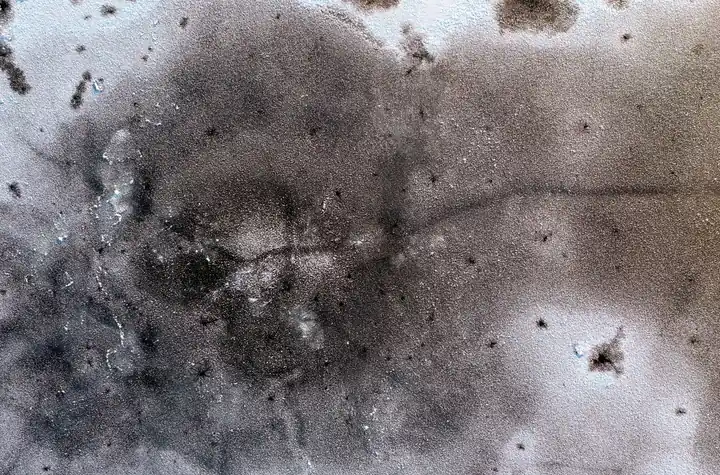
We walk through the observations, moisture readings, sample locations, and laboratory report in everyday language. If the evidence points to an active leak, we identify the area that needs repair before cleanup. If remediation is appropriate, we explain how the testing information can guide the work and what follow-up evaluation should address.
We compare readings on suspect drywall, trim, or wood with nearby reference areas. The readings help identify damp materials that need attention, but they do not identify mold species.
We use temperature patterns to identify areas that deserve closer inspection, such as a cool patch near a leak. The camera supports-not replaces-physical checks and moisture measurements.
For appropriate sampling or controlled work conditions, HEPA filtration helps manage airborne particles around the work area. We select equipment according to the task rather than treating filtration as a mold test.
Where access permits, a boroscope can provide a limited view inside a cavity through a small opening. We explain what the view can show and what remains hidden behind building materials.
A dehumidifier may support drying when an inspection identifies elevated humidity or damp materials. It does not replace a leak repair, and testing helps document whether moisture conditions remain a concern.
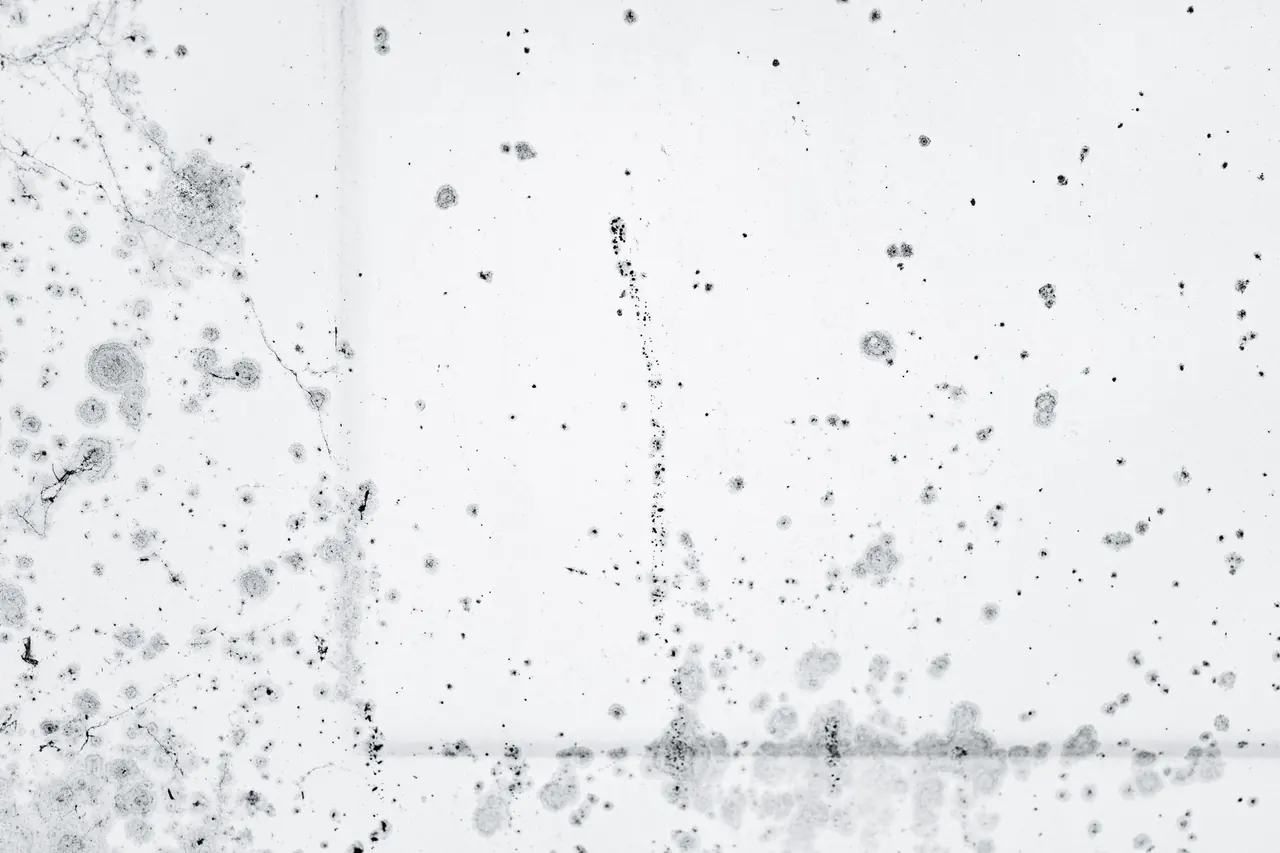
We take readings at the reported problem area and compare them with nearby materials that appear unaffected. Recording the location and material gives the numbers context. A difference can guide further inspection, while a normal reading does not rule out a past problem or hidden condition.
Air sampling is selected when a defined indoor-air question needs a sample for analysis. We record the room and conditions, collect samples using the selected method, and explain that the result represents a specific place and time. It is interpreted with the building history and inspection findings, not as a whole-building verdict.
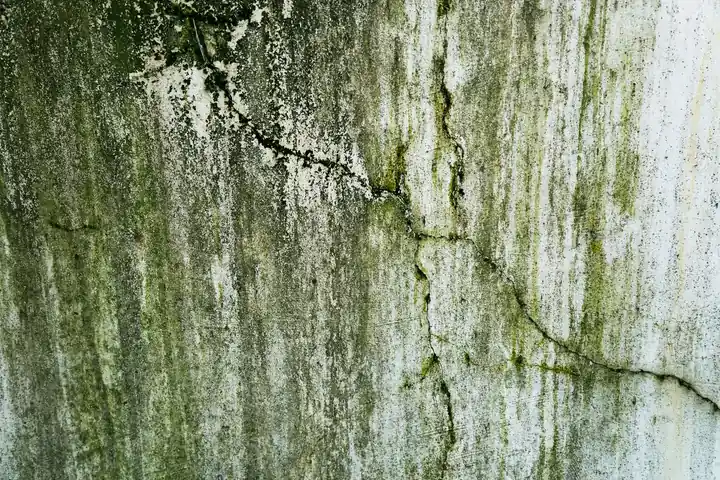
A surface sample can help characterize material present on a specific accessible area when identification matters to the decision. We document the exact location and avoid implying that one surface represents adjacent rooms. The results are considered alongside moisture conditions and the condition of the material.
We inspect the ceiling and nearby accessible areas, review the storm and repair history, and measure moisture around the affected material. If the odor remains unexplained, we discuss targeted sampling and what it can tell you about that room. The inspection is tied to the roof event, not a generic whole-house sample plan. You learn whether the area still shows moisture concerns and what should be checked before repainting or replacing ceiling material.
We examine the closet, adjacent wall surfaces, and accessible condensate-related areas, then compare moisture readings across the affected boundary. We document the visible conditions and explain whether sampling is useful. That gives you specific information to share with the property manager about the location and the possible moisture pathway. The maintenance conversation starts with documented locations and measurements rather than an unclear report of odor or spotting.
We review what is known about the repair, inspect accessible surfaces around the stain, and check for present moisture differences. If a sample could answer a specific question, we outline the collection plan. The assessment distinguishes a historic mark from current evidence without claiming to see behind sealed finishes. You receive a clearer record of current conditions and can plan a focused repair review or further access if needed.
We inspect the affected room and adjoining accessible areas, record the leak timeline, and measure suspect materials. Sampling is considered if it will help clarify the reported concern or guide the next work stage. We keep the visit focused so the owner can coordinate repairs around the actual area involved. The business gets documented observations to guide drying, material decisions, and any follow-up evaluation without guessing at the full extent.
Orlando's long humid season, frequent heavy rain, and extensive air-conditioning use create several routes for moisture to reach building materials. A leaky roof can wet ceiling drywall; a clogged condensate line can damp a closet; and poorly ventilated bathrooms can keep surfaces wet after repeated showers. Our air quality mold testing Orlando Florida visits begin with the building history and the rooms you identify, then focus measurements and samples where they can answer a real question. In Orange County, homes range from older construction with layered repairs to newer properties with tight building envelopes, so access and airflow patterns differ. We check accessible conditions rather than assuming every home behaves the same way. For air quality mold testing Orlando FL, we explain that a sample is a time-specific snapshot and interpret it with moisture readings and observations. We serve Orlando, FL, including Lake Nona, Conway, and College Park, and nearby communities. When a concern follows flooding or a plumbing leak, documenting the affected materials before repairs helps keep the testing plan tied to the event.
A homeowner noticed a persistent earthy odor beneath a repaired roof leak. The ceiling stain measured about 18 inches across, but the room had no visible active dripping. They wanted to know whether damp material remained before repainting and replacing a nearby light fixture.
Our visit mapped moisture readings around the stain and compared them with a dry ceiling area. Two targeted samples were collected because the customer wanted additional information about the affected room. The report described the observed locations and results, helping the homeowner direct the roofer to the remaining repair question.
Keep the repaired roof area under observation after heavy rain and check the ceiling for new discoloration. If the odor returns or the stain expands, record the location and timing before arranging another evaluation.
A slow supply-line leak had dampened the cabinet base and the adjoining bathroom wall. The plumbing repair was complete, but the owner could not tell whether the wall had dried enough for new trim and paint. A stale smell remained near the vanity.
We checked accessible wall and cabinet materials with a moisture meter and compared readings with nearby surfaces. The readings showed the cabinet base still needed drying before finish work. The owner used that information to postpone replacement trim and coordinate further drying rather than closing the area prematurely.
Check the repaired connection for fresh drips and keep the cabinet doors open while the area dries. Recheck the base and wall before installing new trim, especially after the room has been used normally for several days.
After a small cleanup, a family remained concerned about a musty smell in one guest room. The visible material had been removed, but no one had recorded moisture readings or documented the area before the new finish was planned.
We reviewed the accessible work area, recorded comparison readings, and discussed whether the remaining odor justified sampling. The visit produced a location-specific record and identified the need to confirm drying before finishing. The family could make the next decision using measured conditions rather than appearance alone.
Maintain ordinary ventilation and address any new condensation or plumbing moisture promptly. If the odor changes or returns, note when it happens and which surfaces are affected so a follow-up visit can focus on that pattern.
A stain or odor leaves you asking whether there is active moisture, hidden growth, or simply old damage. Mold testing Orlando FL helps answer a defined question when inspection and measurements alone do not settle it. We connect the concern to the building conditions and explain what action the evidence supports.
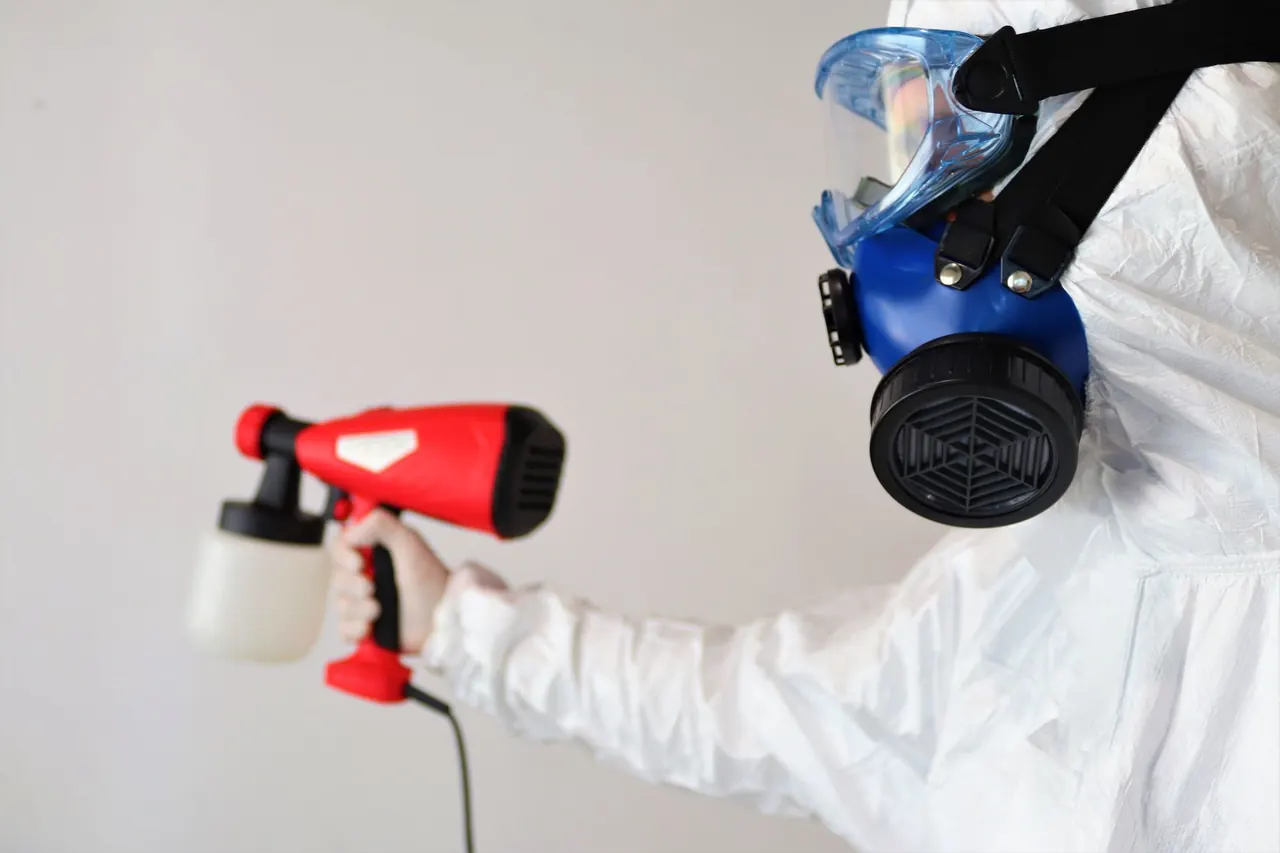
We review the leak history, inspect the affected room and nearby materials, and compare moisture readings at suspect and reference points. If sampling is useful, we explain the method and locations before collecting. You receive a clear account of what was observed and whether further access or repair is warranted. The odor may point to damp materials or a moisture source that was not fully corrected, allowing deterioration to continue behind finishes.
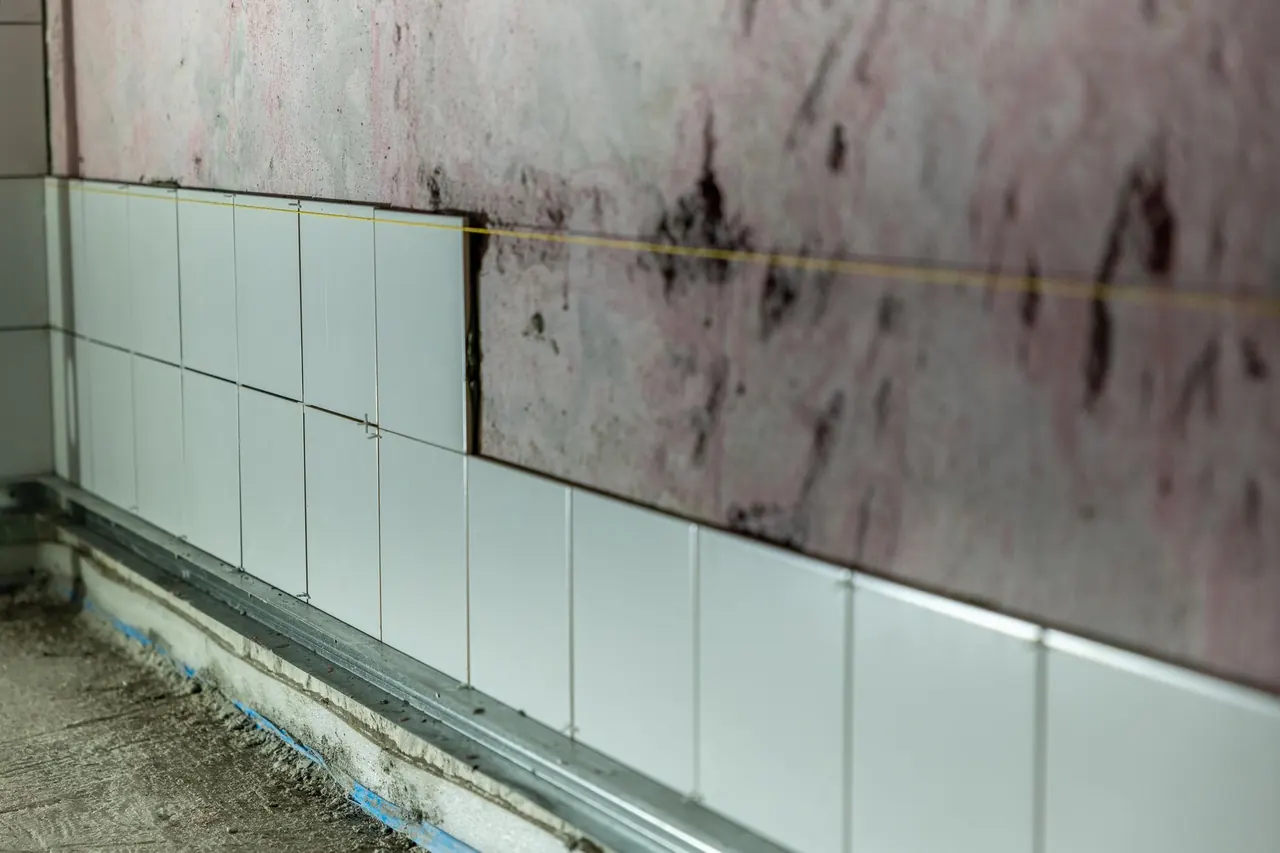
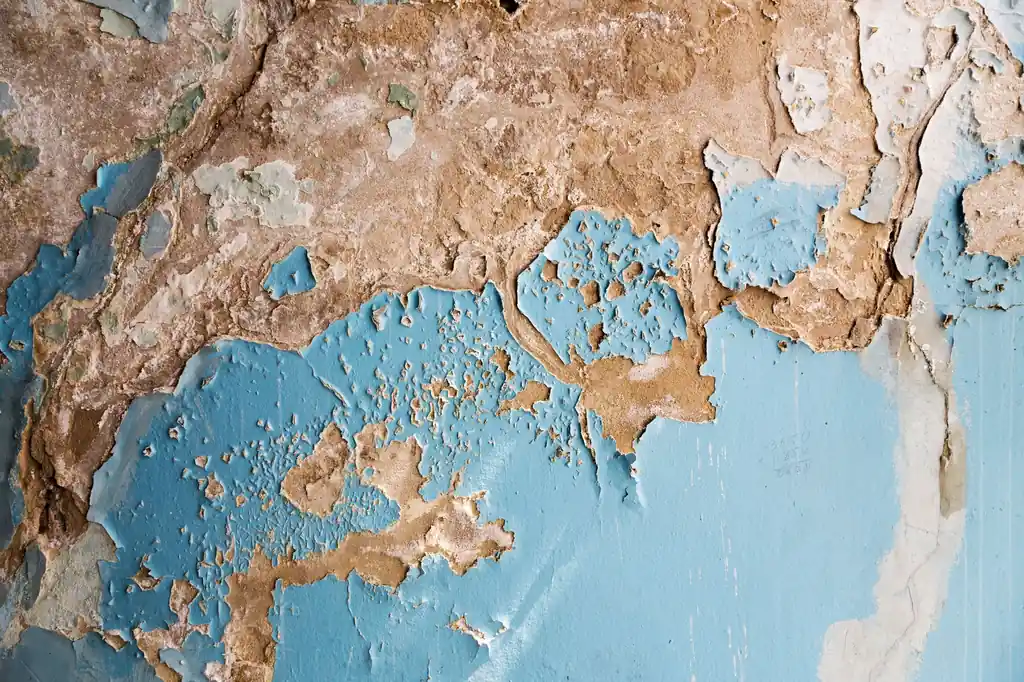
We examine the stained surface and surrounding conditions without identifying growth by appearance alone. When laboratory analysis would change the next step, we collect a targeted sample and explain its limits. You can then make a decision based on documented findings rather than a guess based on color. Color alone cannot identify a mold type, and premature removal can disturb materials or leave the underlying moisture problem untouched.
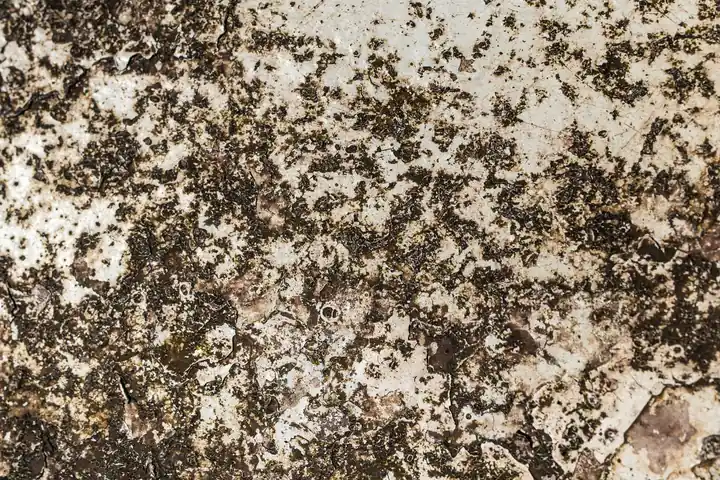
We focus the visit on the disclosed water event, affected rooms, and any remaining signs of moisture or staining. Mold testing for real estate Orlando FL can document current observations and selected sample results, giving buyers and property stakeholders a clearer basis for discussing repairs and follow-up. Unresolved questions about repaired leaks, odor, or damaged materials can delay a property decision and complicate repair planning.

We check accessible materials and compare readings around the cleaned area, then discuss whether additional evaluation is needed. If the readings remain elevated relative to nearby materials, we identify the area for drying or repair review before new finishes go in. Closing a wall or replacing finishes before materials dry can trap moisture and lead to recurring odor, damage, or visible growth.
We use your reported odor, leak history, and visible staining to choose sampling locations with a purpose. A targeted plan is more useful than taking random samples throughout a house. For example, comparing an affected bedroom with an unaffected room can help explain whether a finding is localized or needs broader investigation.
A damp surface is a clue, not a mold identification by itself. We pair moisture readings with visual observations and building history, then explain what the evidence supports. If a wall reads wetter near a plumbing line than at a dry reference point, you have a practical lead for finding the source.
Buyers, sellers, landlords, and occupants need documented information before deciding on repairs. Our mold sampling Orlando FL visits can establish where samples came from and what conditions were observed on site. That record gives you a clearer basis for discussing next steps with a contractor or property stakeholder.
When remediation is complete, a post-work evaluation can review visible conditions, moisture status, and agreed sampling locations. The goal is to determine whether the tested areas meet the project criteria, not to promise that every spore has disappeared. We explain the result and note any conditions that deserve follow-up.
Clear records you can keep and share.
Recorded locations, visible conditions, and moisture readings.
Collection locations and method explained for each sample.
Results discussed with practical next steps for the property.
A sample describes material collected from a defined location at a specific time. We interpret it alongside visible conditions and moisture readings so you understand what it answers and what remains outside its scope.
An air sample reflects conditions during collection in one location. It does not independently describe every room or identify the moisture source.
A surface sample relates to the area collected and can help characterize material there. Nearby surfaces may have different conditions and require separate evaluation.
A moisture meter measures material conditions at the tested points. Readings help locate dampness, but they do not identify mold by themselves.

Outside these neighborhoods? Call to ask about service coverage across Orange, Seminole, and Osceola counties. (728) 300-9969
Professional laboratory testing is crucial when occupants experience unexplained respiratory symptoms, when investigating hidden musty odors without visible growth, for real estate transactions during buyer contingency periods, and for post-remediation clearance testing to prove normal fungal ecology.
A properly collected sample can identify what was present at that location and time, but no single sample represents every room or every day. Accuracy depends on method, placement, handling, and conditions during collection. We interpret results alongside moisture readings and visible evidence. An air sample is a snapshot, so the report should not be treated as proof that an entire building is mold-free.
A typical visit includes a discussion of the problem, a visual review of accessible areas, moisture measurements, and targeted sampling when it answers a clear question. The visit often takes 1.5 to 3 hours, and laboratory results commonly take 2 to 5 business days after receipt. Your report should identify sampled locations and explain the findings, not just provide numbers without context.
Testing before remediation is useful when the source or extent is unclear, or when you need a baseline for a defined concern. It is not required for every visible patch if the moisture source and affected materials are already evident. We inspect first, then explain whether sampling can change the work plan. If testing is chosen, it can help document conditions before materials are removed.
Get a clear plan for the odor, water stain, or suspected growth in your property. Our team explains the visit and upfront pricing before testing begins. Call Orlando Mold Guardians at (728) 300-9969 to discuss your Orlando property and schedule a mold testing appointment.
Call Orlando Mold Guardians at (728) 300-9969 to discuss a leak, visible growth, or a persistent musty smell. Our office hours are Monday through Friday, 8:00 a.m. to 6:00 p.m.; leave your name, neighborhood, and a short description if you reach voicemail, and we will respond during business hours. We serve Orlando, Florida, and nearby Orange County communities.