Work summary
Affected materials, cleaning steps, and remaining repairs.
Mold Remediation in Orlando helps homeowners, tenants, and property managers address visible growth, musty odors, and moisture after leaks or flooding. Orlando Mold Guardians identifies affected materials, contains the work area, removes contamination, and dries the structure so the problem is treated at its source. Our mold removal Orlando FL service is built around your building's conditions, from a bathroom leak to damp drywall after a storm.
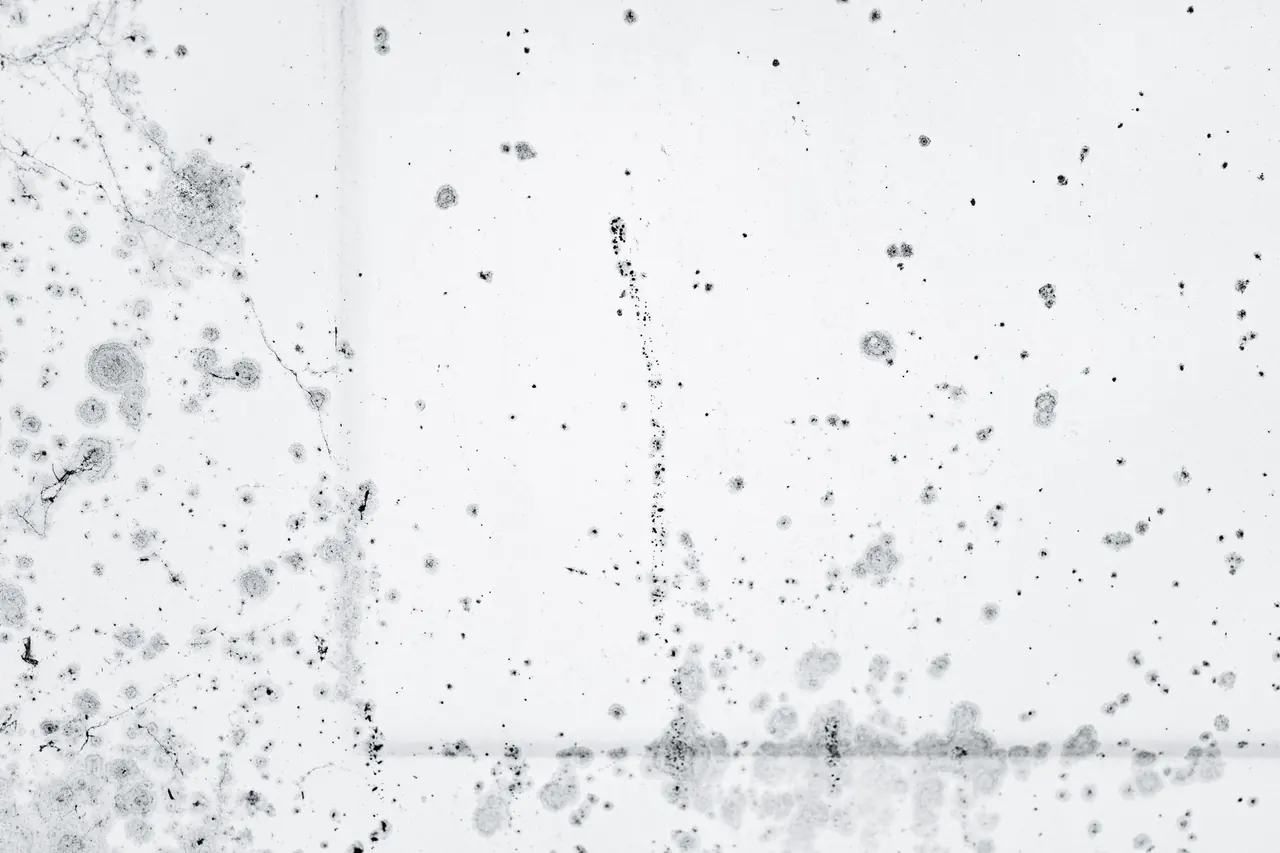
Mold remediation covers inspection of the affected area, moisture-source assessment, containment, controlled removal of unsalvageable materials, cleaning of suitable surfaces, and structural drying. We explain what the work addresses before equipment is placed. Plumbing, roofing, HVAC repairs, and rebuilding may need a separate trade or added work, depending on the cause and extent of damage. You receive a clear account of the cleanup and remaining repair needs.
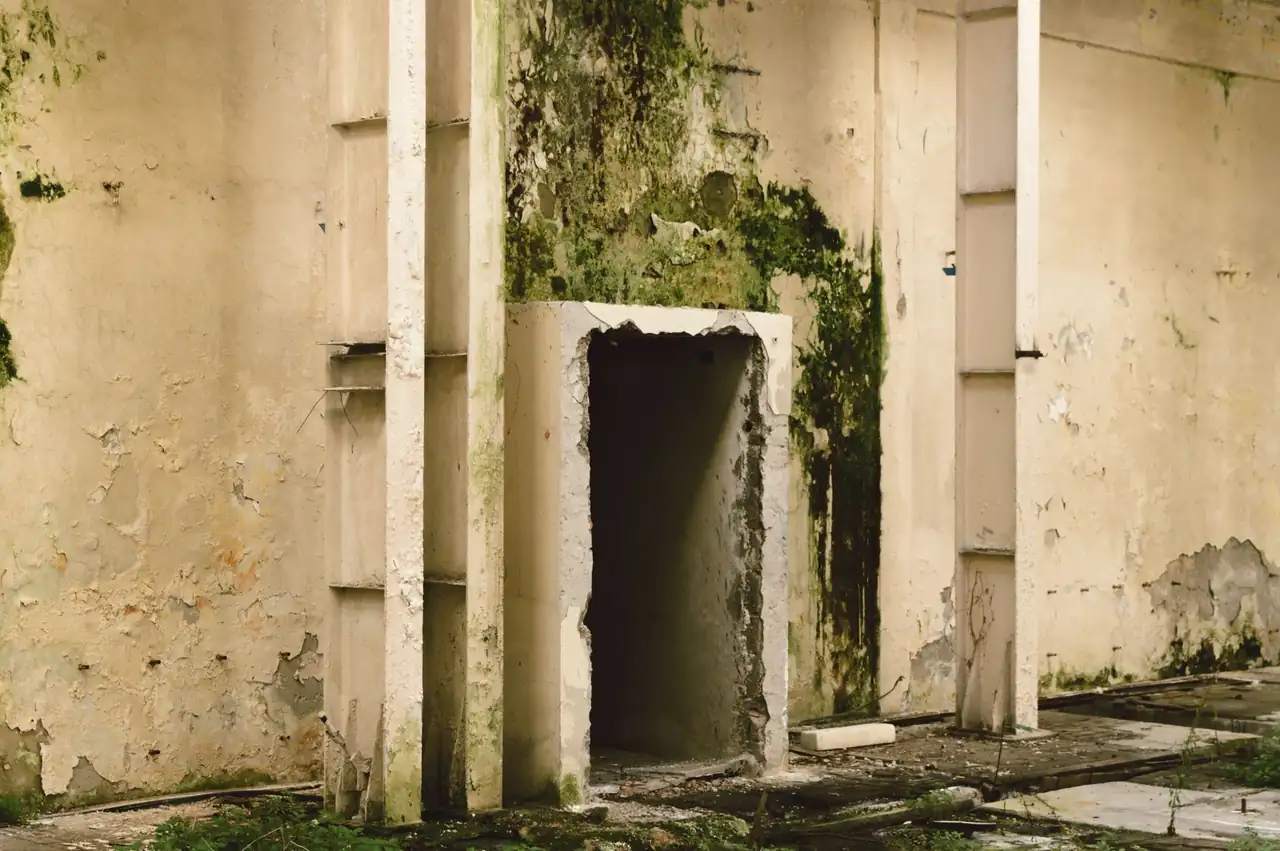
We help homeowners and tenants address growth after leaks, flooding, or persistent condensation. You get clear room-access guidance and a practical sequence for cleanup, drying, and repairs.
We plan remediation around staff, tenants, and shared building areas. You receive straightforward work-zone guidance so access and daily operations can be managed during cleanup.
Mold Remediation in Orlando is a property restoration service that contains and removes mold-affected materials while correcting the moisture conditions that allow growth. We inspect visible damage, use moisture readings to trace damp areas, isolate the work zone with plastic sheeting, and remove materials that cannot be cleaned safely. HEPA filtration captures airborne particles during controlled removal. Drying follows, with readings taken from affected surfaces and nearby framing. The exact plan depends on the water source, material type, and extent of damage, not color alone.
Orlando's humid subtropical climate, frequent summer storms, and long cooling season put buildings under steady moisture pressure. A leaky roof, plumbing leaks, flooding, condensation, or poor ventilation can leave drywall and insulation damp behind a finished surface. Our Orlando mold remediation services address the source and affected area together. If you are searching for black mold remediation Orlando FL, we first assess the visible growth and moisture pathway; appearance alone cannot identify a mold species.
Remove damaged materials, control moisture, and verify drying before rebuilding.
Mold Remediation in Orlando follows a controlled sequence: find the moisture, isolate the work, remove affected material, dry the structure, and review the result. We explain each stage before work starts, keep you informed about room access, and adapt the plan if concealed damage appears after opening a wall.
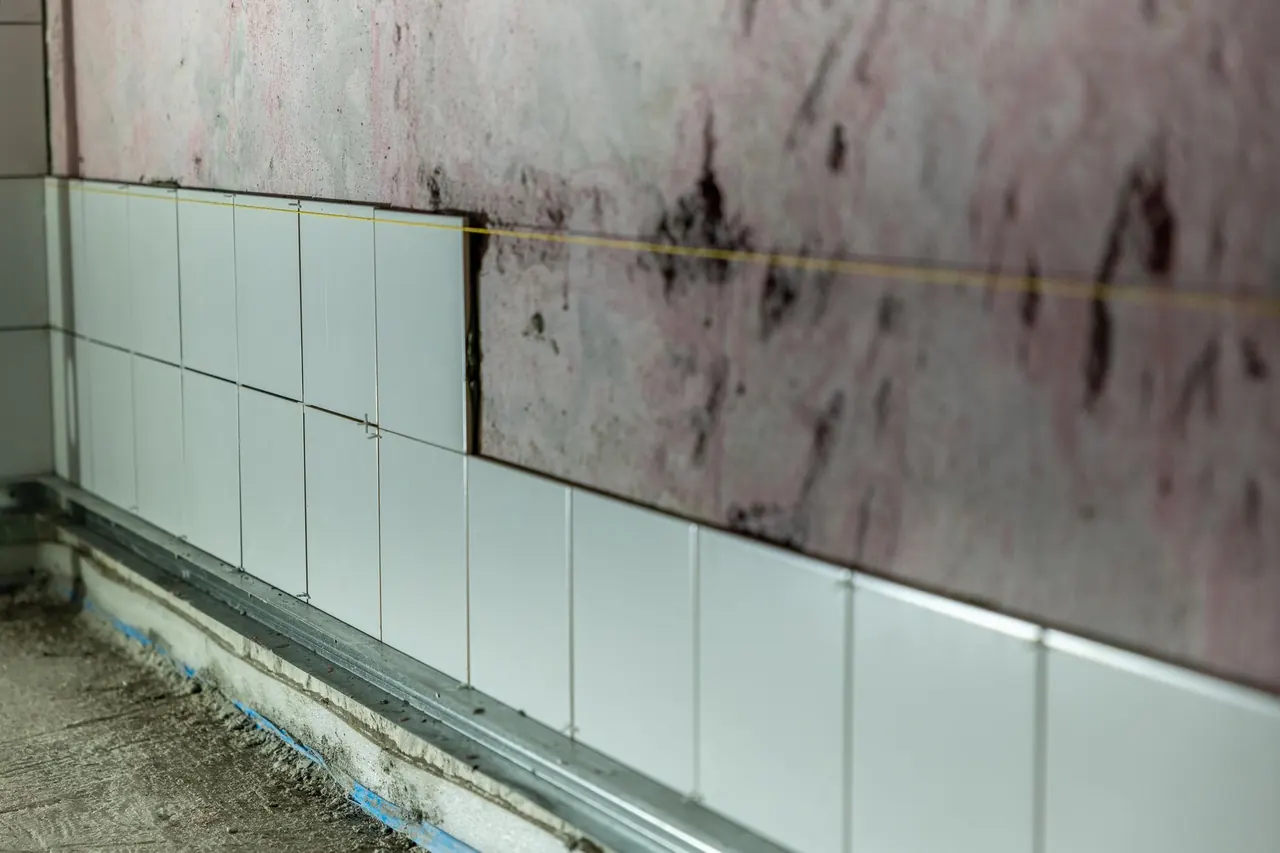
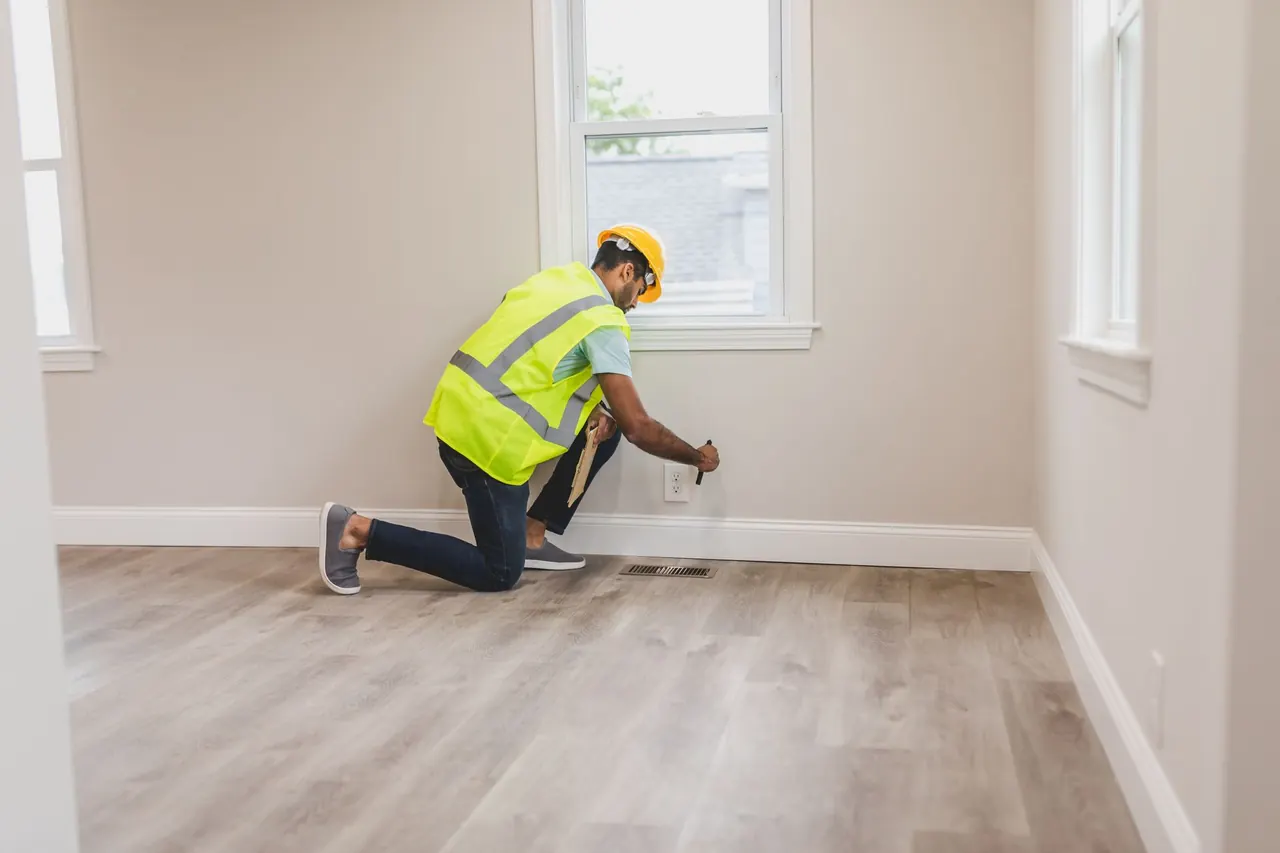
We begin with your report of the leak, odor, or visible growth, then inspect the affected room and adjoining surfaces. A moisture meter records readings at several points; a thermal imaging camera can help locate temperature patterns that warrant closer checking. Most initial assessments take about 30 to 90 minutes, depending on access and the number of rooms.
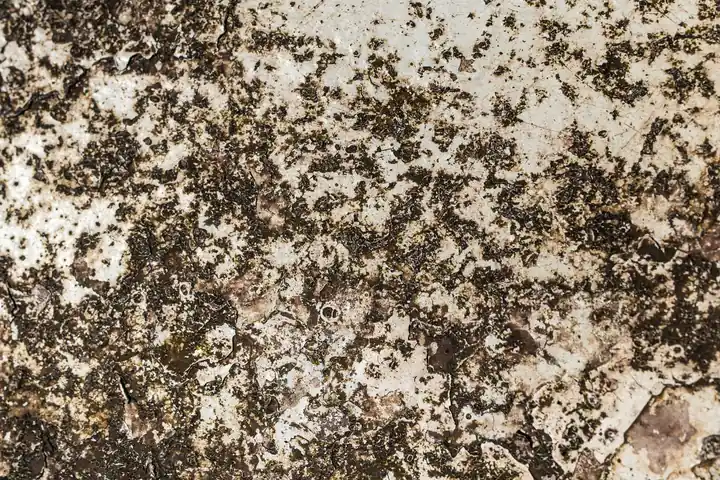
Before removal, we identify whether water is still entering from a plumbing leak, leaky roof, appliance, or condensation. Active water intrusion needs to be stopped before drying can hold. We explain which repairs are part of the remediation and which need a separate trade, so you can prevent new wetting while we prepare the work area.

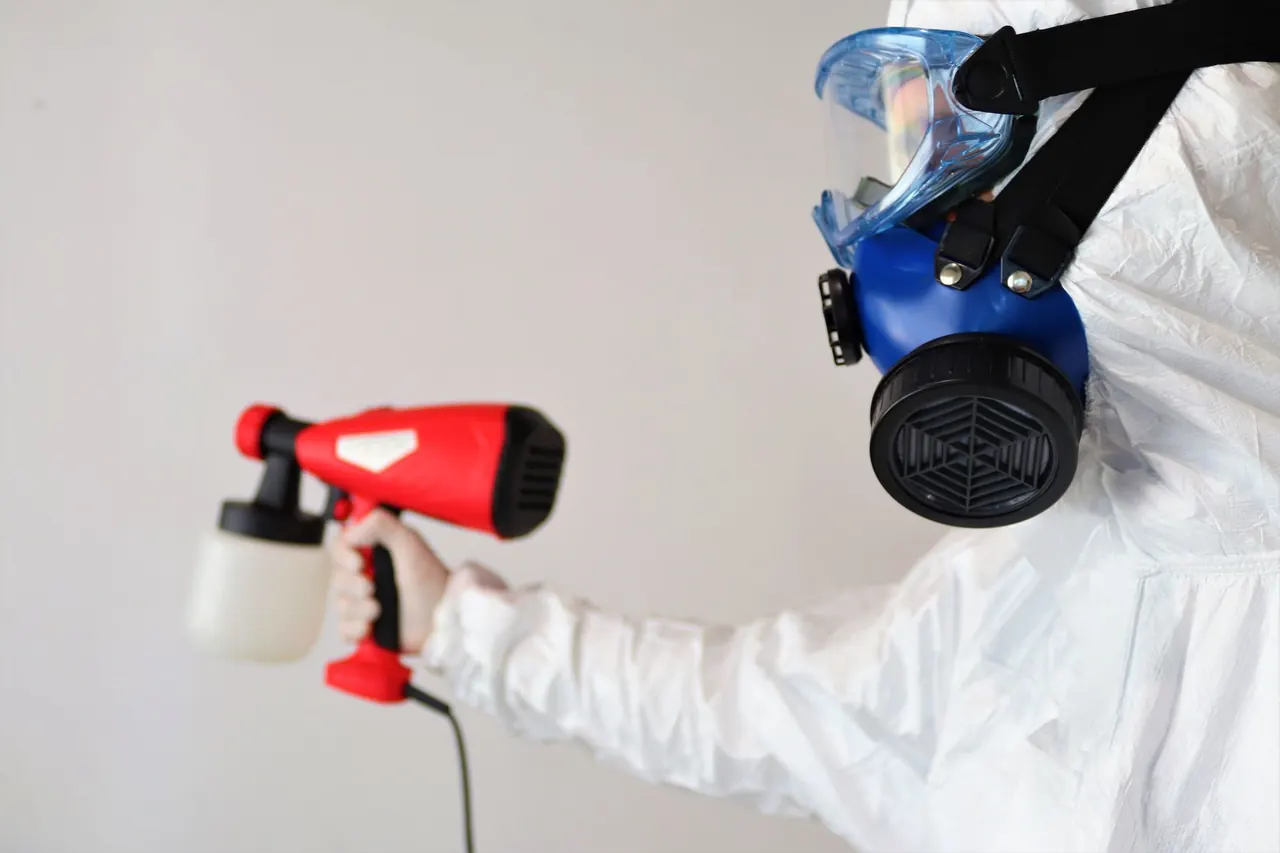
Our technicians protect nearby floors and belongings, then separate the work zone with plastic sheeting. We position HEPA filtration and, where the layout calls for it, a negative air machine to direct filtered exhaust away from clean areas. You receive a clear explanation of room access, ventilation, and what to move before removal begins.
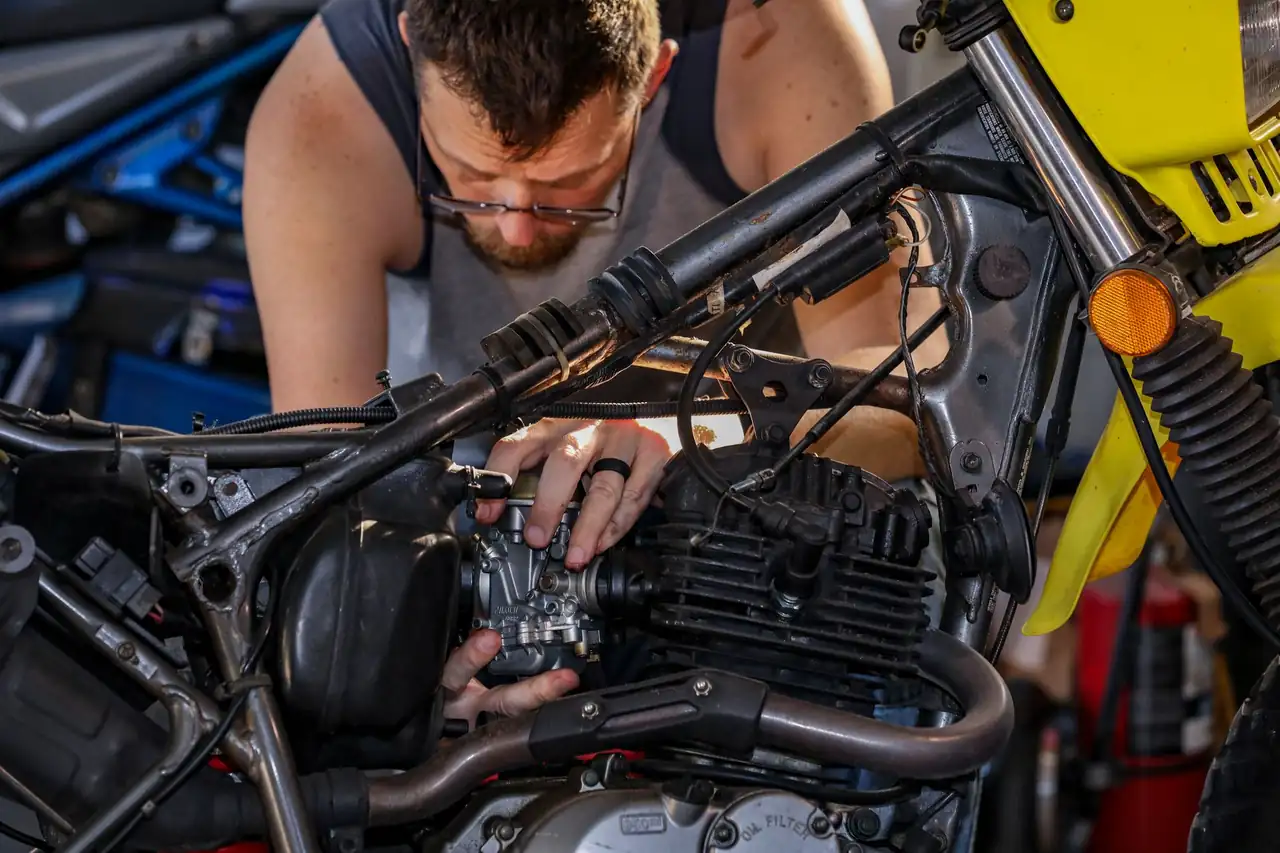
We remove porous materials that are too damaged to clean, such as affected drywall or insulation, and clean salvageable surfaces with appropriate methods. A HEPA vacuum captures settled dust; antimicrobial solution is used where suitable for the surface and scope. The work often takes one to three days for a contained area, with larger projects requiring more time.
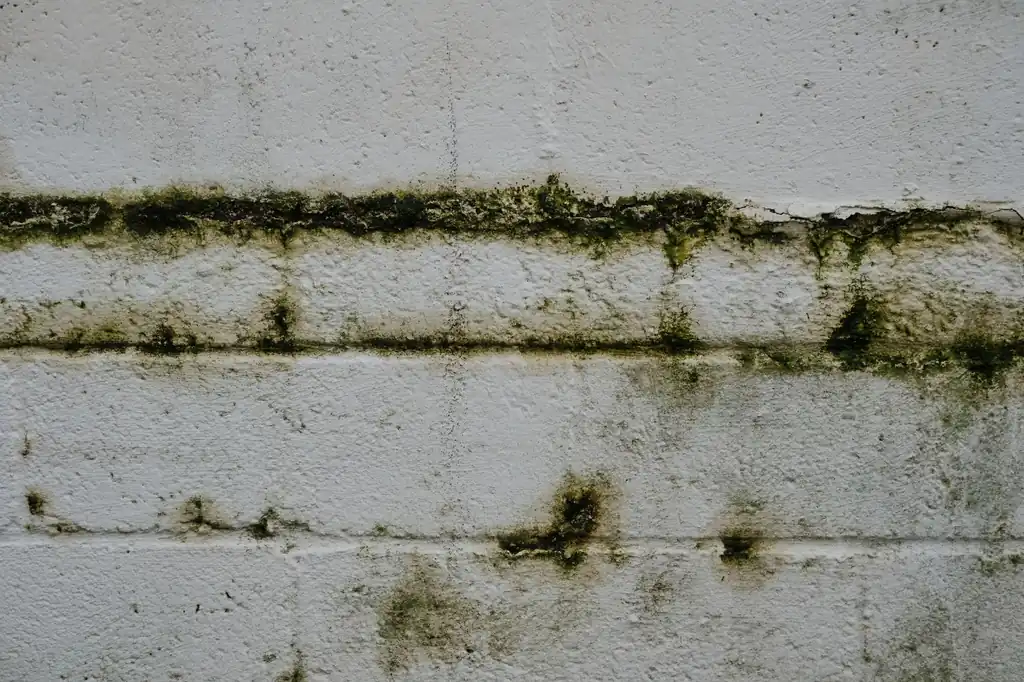
We run drying equipment and take repeat moisture readings until affected materials reach an appropriate dry condition for the repair plan. Depending on room size and water load, drying often takes two to five days. Before closeout, we review removed materials, cleaned surfaces, remaining repairs, and steps you can take to reduce humidity and catch future leaks early.
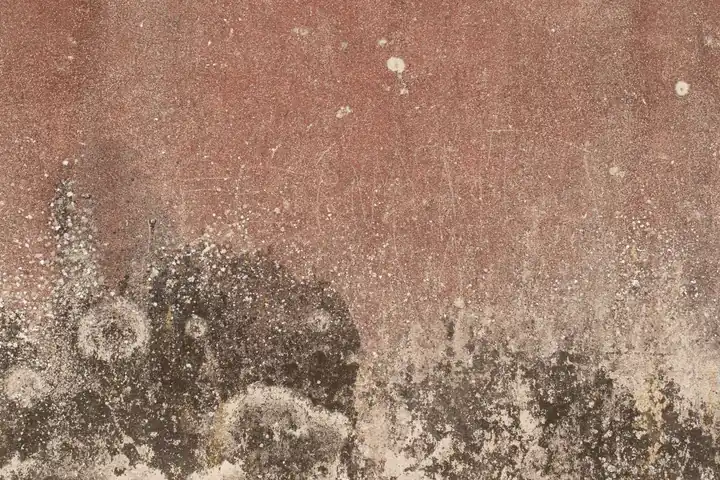
We take comparative readings in affected and nearby materials to map dampness and track drying instead of relying on surface appearance.
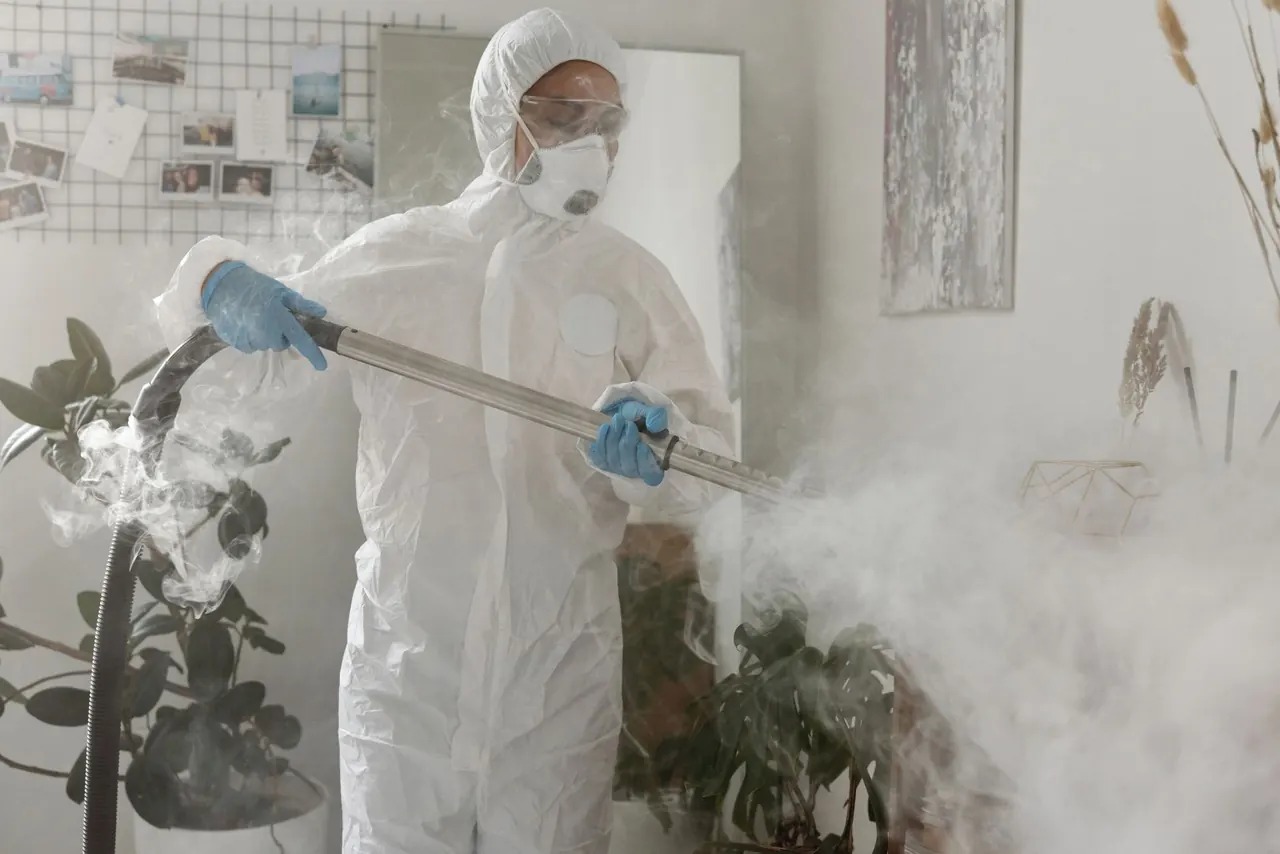
We use thermal patterns to identify areas that need closer inspection; the camera guides investigation but does not confirm mold by itself.

During controlled removal and final cleaning, HEPA filtration captures fine dust from surfaces and the work zone.
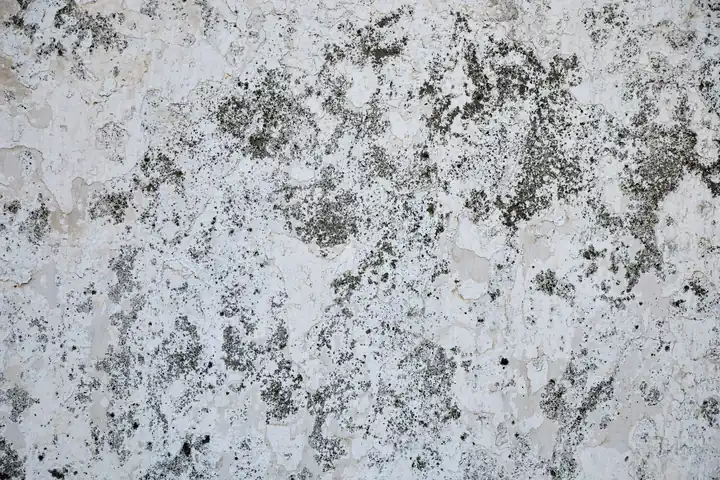
An air scrubber with HEPA filters helps capture airborne particles while work is underway inside a contained area.
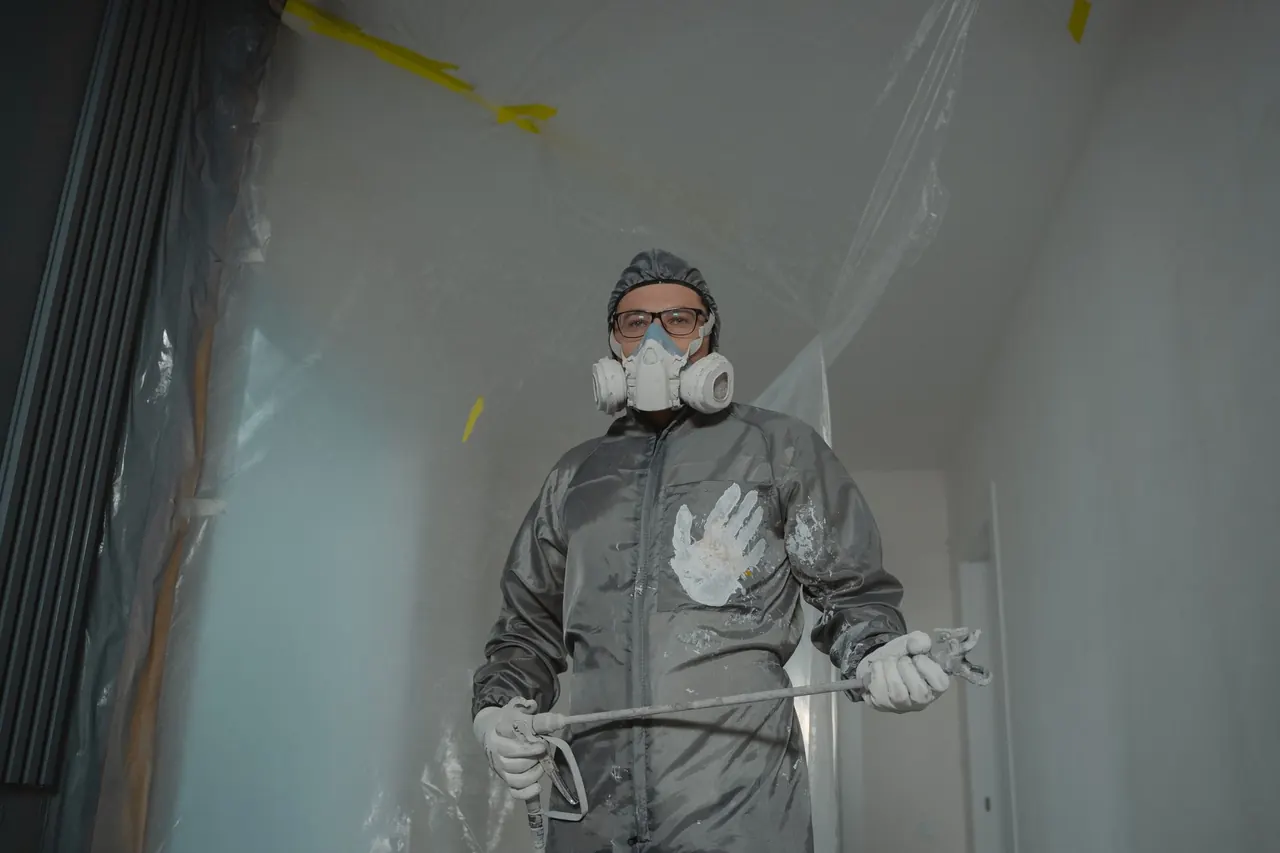
We use a dehumidifier to remove moisture from room air and support drying after the water source has been controlled.
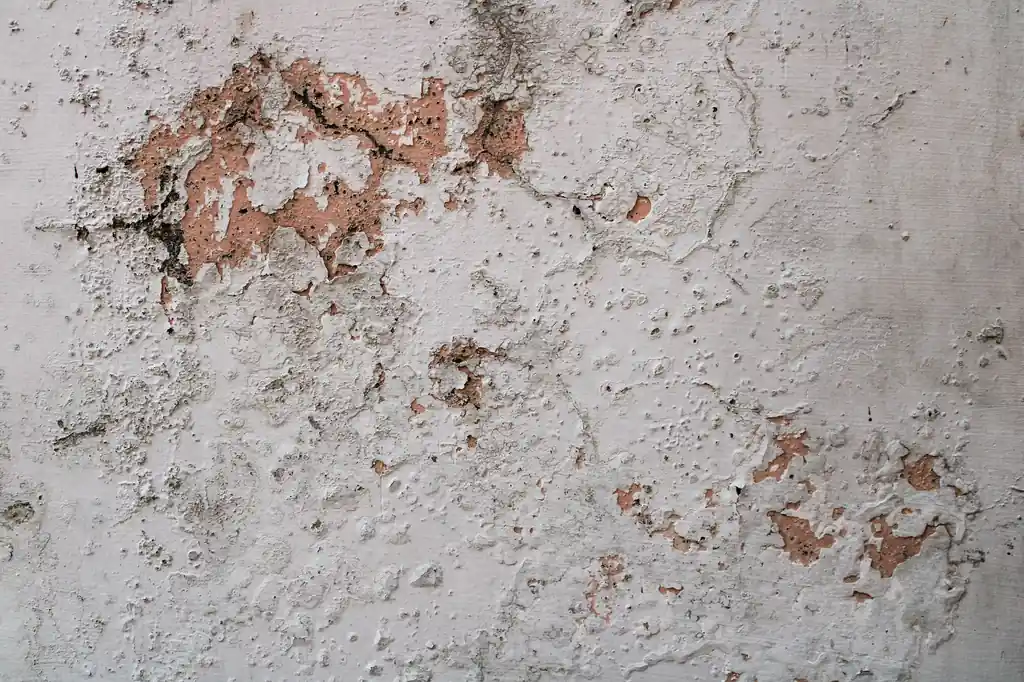
Where the layout and scope require it, this equipment helps direct air from the work area through filtration rather than into clean spaces.
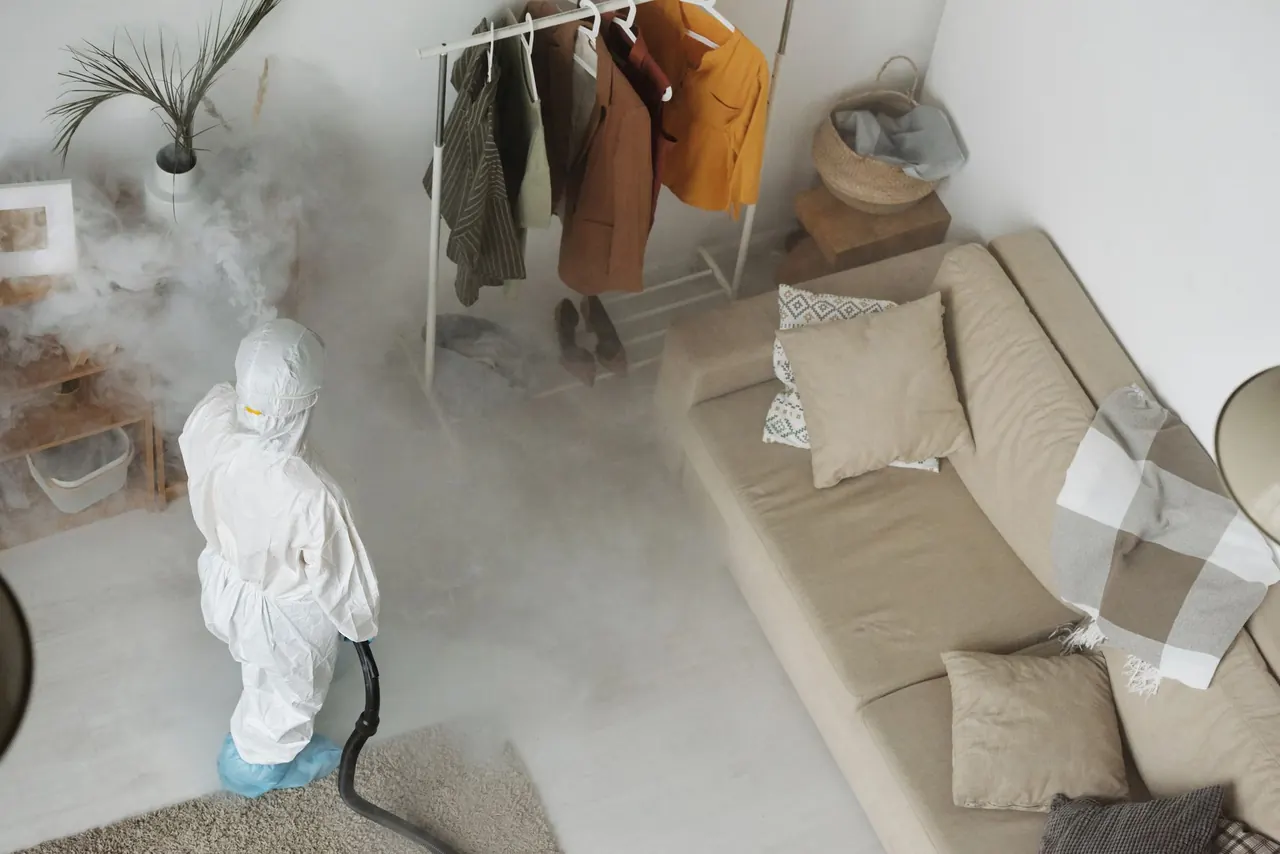
We trace the water pathway before deciding the removal boundary. Readings and visual inspection help distinguish an isolated surface issue from moisture that has reached adjacent drywall, insulation, or framing. If a leak is active, the source must be addressed alongside cleanup so newly dried materials are not wetted again.
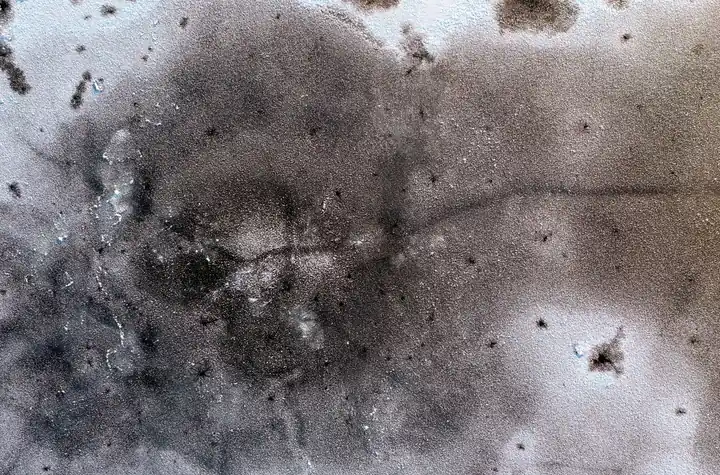
We protect the work zone, limit unnecessary disturbance, and remove materials that cannot be cleaned effectively. Plastic sheeting and HEPA filtration support dust control during the work. Salvageable surfaces are cleaned according to material and condition, rather than receiving the same treatment regardless of substrate.
We inspect the ceiling and nearby insulation for moisture, then identify whether water is still entering. After the roof source is addressed, we contain the affected room, remove damaged porous materials, and dry the remaining structure. We explain what can be cleaned and what needs replacement. You know which materials were affected, whether drying is complete, and what repairs remain before the ceiling is rebuilt.
We check how far water traveled beyond the cabinet base and identify damp wall or flooring materials. The work area is protected before removal, with HEPA filtration used where appropriate. We coordinate the remediation sequence around stopping the leak and drying materials before replacement. The visible damage is not the only measure; moisture checks reveal the affected boundary and guide a more complete repair.
We inspect the closet, surrounding drywall, and condensation-prone surfaces, then assess whether poor drainage or airflow is contributing. We isolate the affected area, remove unsalvageable material, and clean appropriate surfaces. You receive clear information to share with the property owner or HVAC contractor. The moisture pathway and remediation needs are separated from routine surface cleaning, helping prevent another cycle of staining and odor.
We confirm whether the wall and nearby materials are still damp, then plan containment that limits disruption to adjoining business areas. Affected materials are removed and suitable surfaces cleaned, followed by measured drying. We explain room access and the likely work sequence so staff can plan around the closed section. The office gets a controlled work area, a documented drying review, and a practical route back to normal use.
Orlando's long humid season, summer downpours, and frequent air-conditioning use create several moisture patterns: roof leaks after storms, condensation around cooling equipment, and plumbing failures hidden behind cabinets. Our professional mold remediation Orlando Florida service starts by separating those causes, because drying a wall without stopping water entry is wasted effort. Many local homes combine block exterior walls with framed interior partitions, while apartments and commercial buildings can have shared plumbing chases that spread water beyond one room. We inspect the affected materials and nearby spaces before setting containment. In Orange County, storm-related flooding and high outdoor humidity can slow drying when doors or windows remain open, so equipment placement and repeat readings matter. We keep the work area controlled, explain room access, and review moisture readings with you. If a roof, plumbing, or HVAC repair is needed, we identify that dependency so cleanup and reconstruction happen in the right order.
A slow supply-line leak left the cabinet base damp and produced a musty odor. The visible wall stain measured about 2 square feet, but the lower drywall and cabinet backing remained soft. Repeated surface cleaning did not address moisture trapped behind the vanity or establish whether the leak had stopped.
After the leak was controlled, we isolated the work area, removed the damaged drywall and backing, and cleaned suitable framing. Readings were checked during a three-day drying period, with the affected material falling from 28% to 14% moisture content. The repair boundary and remaining cabinet work were reviewed with the owner.
Check supply connections beneath sinks every few months and after plumbing work. Keep the cabinet base clear enough to spot drips, and call a plumber promptly if fittings stay wet or swollen wood appears.
Wind-driven rain entered near a roof transition and stained a bedroom ceiling. The affected patch covered roughly 12 square feet, but damp insulation extended beyond it. The homeowner had repainted once; the stain returned after the next heavy rain because the roof opening remained active.
Once the roof source was repaired, we contained the bedroom and removed wet drywall and insulation. Drying equipment ran for four days while readings were taken from the exposed framing and adjacent ceiling. The room was left ready for reconstruction, with the owner shown the removed area and moisture results.
After major storms, check ceilings, attic access points, and exterior roof transitions for new stains or damp insulation. Address a fresh leak quickly; waiting through repeated rainfall can enlarge the removal area.
A small office closet had persistent odor and spotting on one wall after a condensate drain backed up. The affected area measured about 18 square feet, with moisture extending toward the corridor. Staff had kept the door open, allowing odor and dust to move through the office.
We contained the closet, removed damaged drywall, and cleaned suitable surfaces after the drain issue was corrected. A dehumidifier and air scrubber supported a four-day drying period. Follow-up readings showed the exposed framing at 13% moisture content, and the office manager received a clear repair sequence.
Have the HVAC drain checked during routine service and watch for water at the closet floor. Keep stored items off walls so a small leak is visible before it reaches adjoining office finishes.
Persistent dampness can turn a minor leak into damaged finishes, odors, and hidden growth. Mold remediation for crawl spaces Orlando FL requires attention to the moisture source, ventilation, and affected framing, not just a surface spray. We focus on identifying the condition, controlling the work area, and giving you a workable path to dry, repair, and maintain the space.
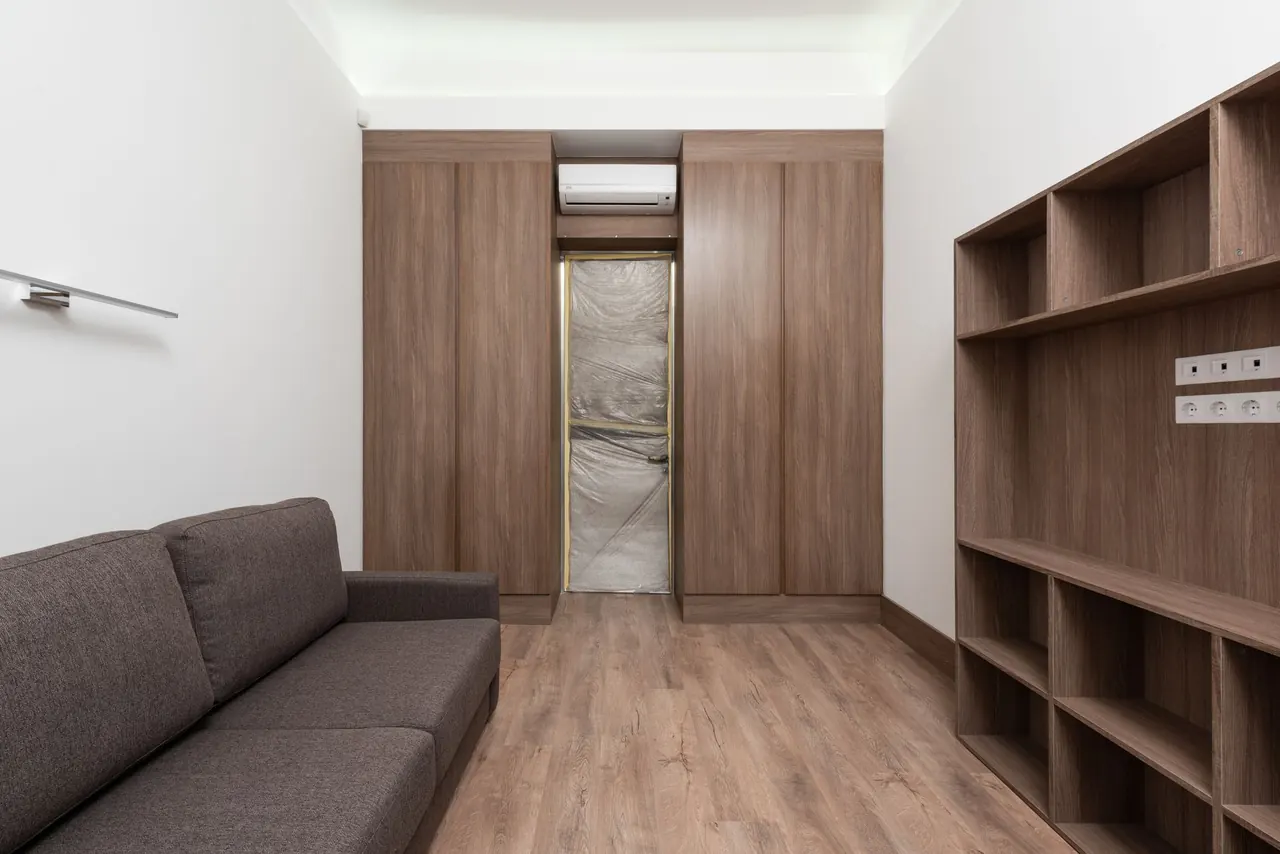
We inspect the leak area and adjoining materials, use moisture readings to locate residual dampness, and open affected sections when needed. Our team contains the work area, removes material that cannot be cleaned, and dries the remaining structure. We also explain whether the plumbing repair needs further attention before reconstruction. Damp drywall or cabinet backing may remain behind the visible repair, allowing odor and material deterioration to continue unnoticed.
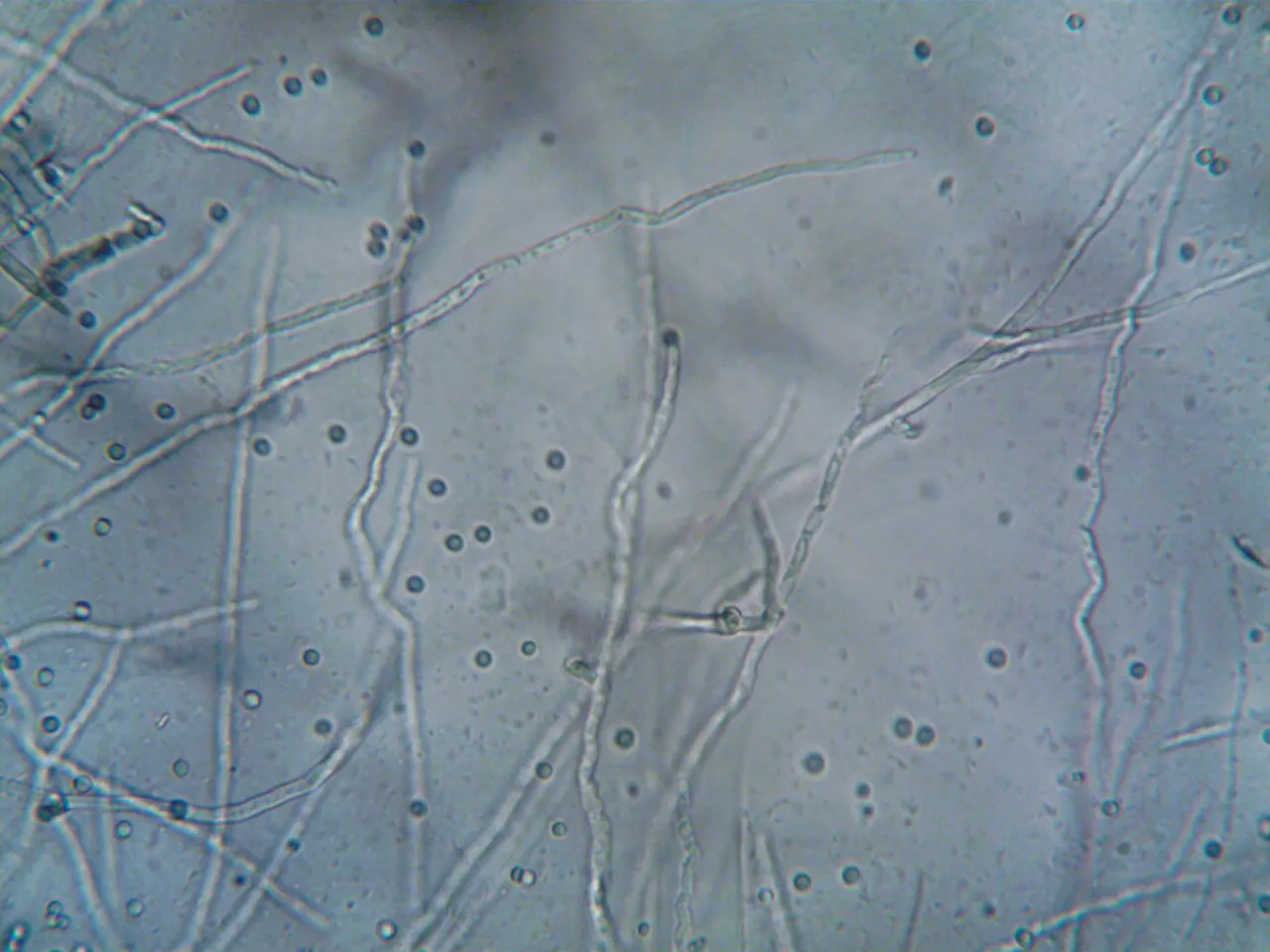
We check the ceiling and nearby surfaces for moisture patterns, then identify whether an active roof leak or condensation is feeding the area. We remove damaged materials under containment and dry the structure before repair. You get a clear explanation of the source-related work that must happen to prevent repeat wetting. A recurring stain can point to roof entry, condensation, or a ventilation issue; covering it may hide continuing damage to drywall and insulation.
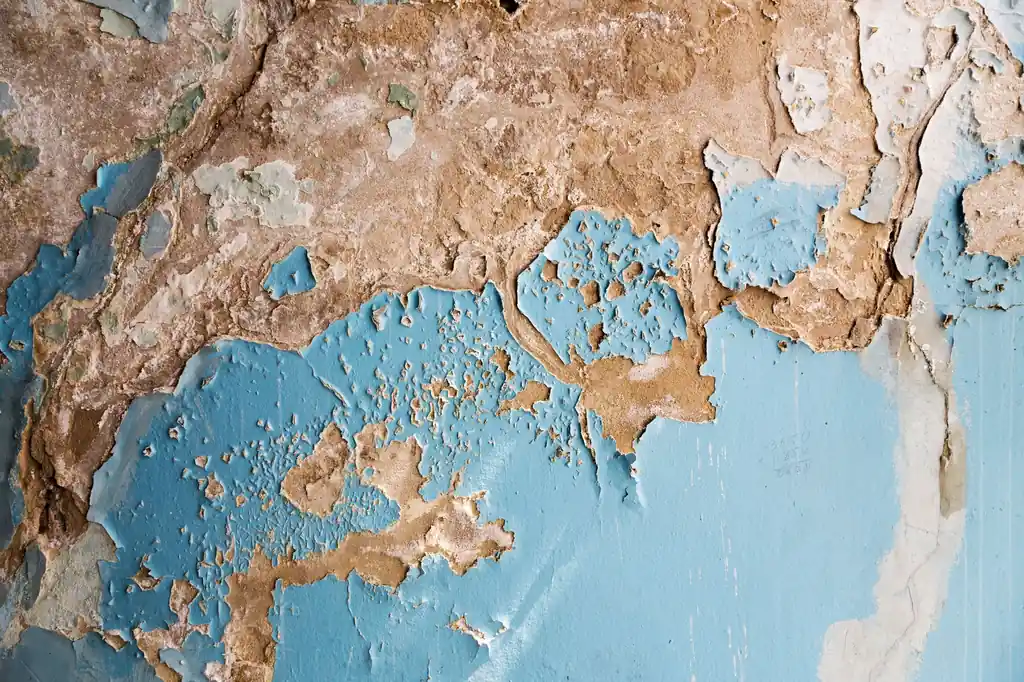
We inspect accessible crawl-space materials, assess dampness, and determine how much framing or insulation is affected. Containment and controlled removal protect adjacent areas; drying equipment is selected for access and airflow. We also identify whether water entry, condensation, or poor ventilation needs correction before the space is closed. Ongoing moisture can affect wood framing and insulation while odors move into living areas through gaps and floor penetrations.
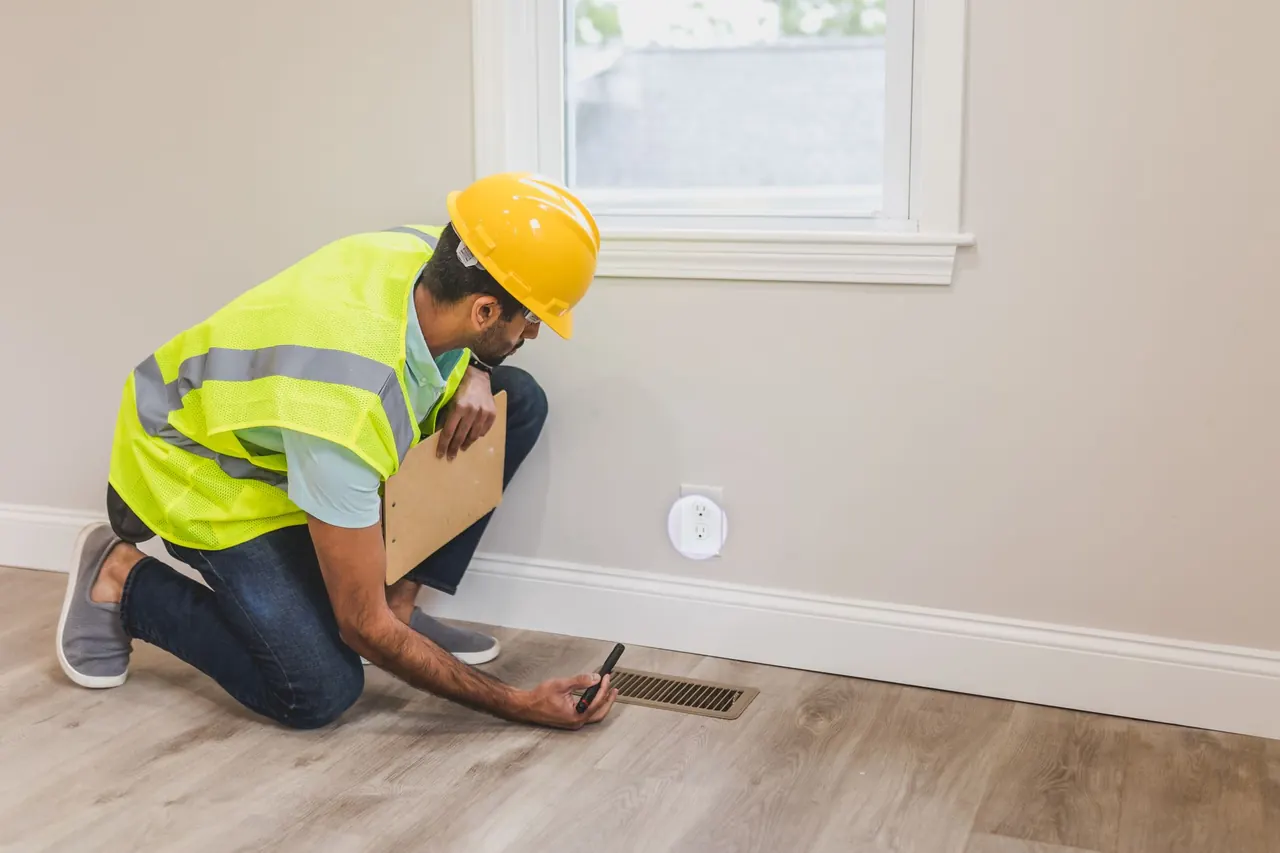
We map moisture beyond the visible waterline and check adjacent materials before defining the removal area. Unsalvageable flooring, drywall, or insulation is taken out under controlled conditions, then remaining surfaces are dried and checked again. This measured approach gives you a better basis for deciding the extent of reconstruction. Water can travel beneath flooring and into wall cavities, leaving materials wet after the surface looks dry and increasing the area that needs repair.
We isolate the affected room with plastic sheeting and manage airflow before disturbing contaminated drywall. A negative air machine helps keep particles from traveling into occupied areas. For a small bathroom or a larger room, the containment boundary follows the work zone, so your household knows which spaces remain accessible.
Removing visible growth without fixing the leak invites the same trouble back. We trace moisture with a moisture meter and inspect nearby surfaces for plumbing leaks, roof entry, or condensation. You get a clear distinction between remediation work and repairs that require a roofer, plumber, or HVAC contractor.
We track damp materials during drying instead of relying on touch or appearance. A dehumidifier and air movement support drying, while repeat readings show whether wood framing and adjacent surfaces are moving toward dry conditions. That record helps you decide when the area is ready for reconstruction.
Our closeout explains what was removed, what was cleaned, and what needs rebuilding. For residential mold remediation Orlando projects, that may mean replacing a section of drywall and insulation after the framing dries. You leave with practical maintenance steps, not just a cleared work zone.
Clear records you can keep and share.
Affected materials, cleaning steps, and remaining repairs.
Readings taken during drying and at closeout.
Practical steps for reducing repeat moisture.
Visible growth is only one clue; moisture explains why it appeared. Treating the surface without addressing water entry leaves the underlying condition unchanged.
A stain can sit away from the leak itself. We inspect nearby materials and trace the pathway before setting the removal boundary.
Some surfaces can be cleaned, while damaged porous materials need removal. The decision depends on saturation, condition, and access.
Dry-looking surfaces can hide moisture in framing or wall cavities. Repeat readings help guide the timing of reconstruction.
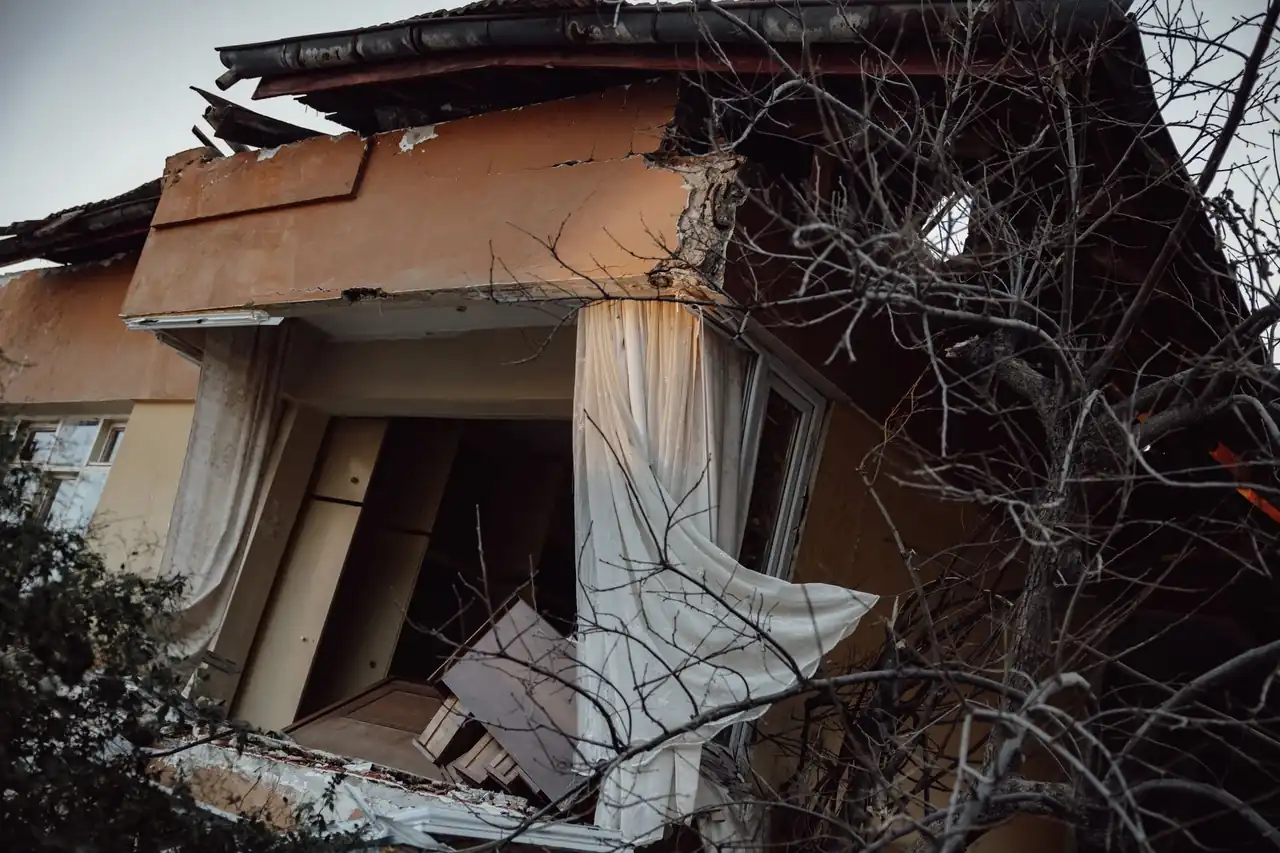
Outside these neighborhoods? Call to ask about service coverage across Orange, Seminole, and Osceola counties. (728) 300-9969
Most residential mold remediation projects take between 2 and 5 business days. Physical containment setup, selective drywall removal, and botanical sanitization typically require 1 to 2 days, followed by 2 to 3 days of continuous commercial dehumidification and HEPA air scrubbing to achieve target wood moisture levels below 15% before final clearance testing.
Mold remediation involves finding moisture, containing the work area, removing unsalvageable materials, cleaning suitable surfaces, and drying the structure. We inspect the affected area, protect adjoining rooms, and use HEPA filtration during removal. A moisture meter helps track progress after equipment is set. The sequence matters: if water continues entering through a leak or flooding, cleanup alone will not solve the underlying problem.
A contained room often takes one to three days for removal and cleaning, followed by two to five days of drying. Larger areas, concealed water damage, or several rooms can extend the schedule. We give you a practical timeline after inspecting materials and moisture readings. Rebuilding starts only after the affected structure is adequately dry for the repair work.
You can often remain at home when the affected area is isolated and the rest of the property stays separate, but the answer depends on location and scale. We explain access restrictions before work begins and use containment and HEPA filtration to control dust. If the work involves a bedroom, kitchen, or extensive contamination, discuss alternate arrangements with us before the removal phase.
Tell us where you see growth, what caused the water, and how long the area has been damp. Our team will help you identify the next step and explain how we control removal and drying. Call (728) 300-9969 to speak with Orlando Mold Guardians.
Call Orlando Mold Guardians at (728) 300-9969 to discuss a leak, visible growth, or a persistent musty smell. Our office hours are Monday through Friday, 8:00 a.m. to 6:00 p.m.; leave your name, neighborhood, and a short description if you reach voicemail, and we will respond during business hours. We serve Orlando, Florida, and nearby Orange County communities.