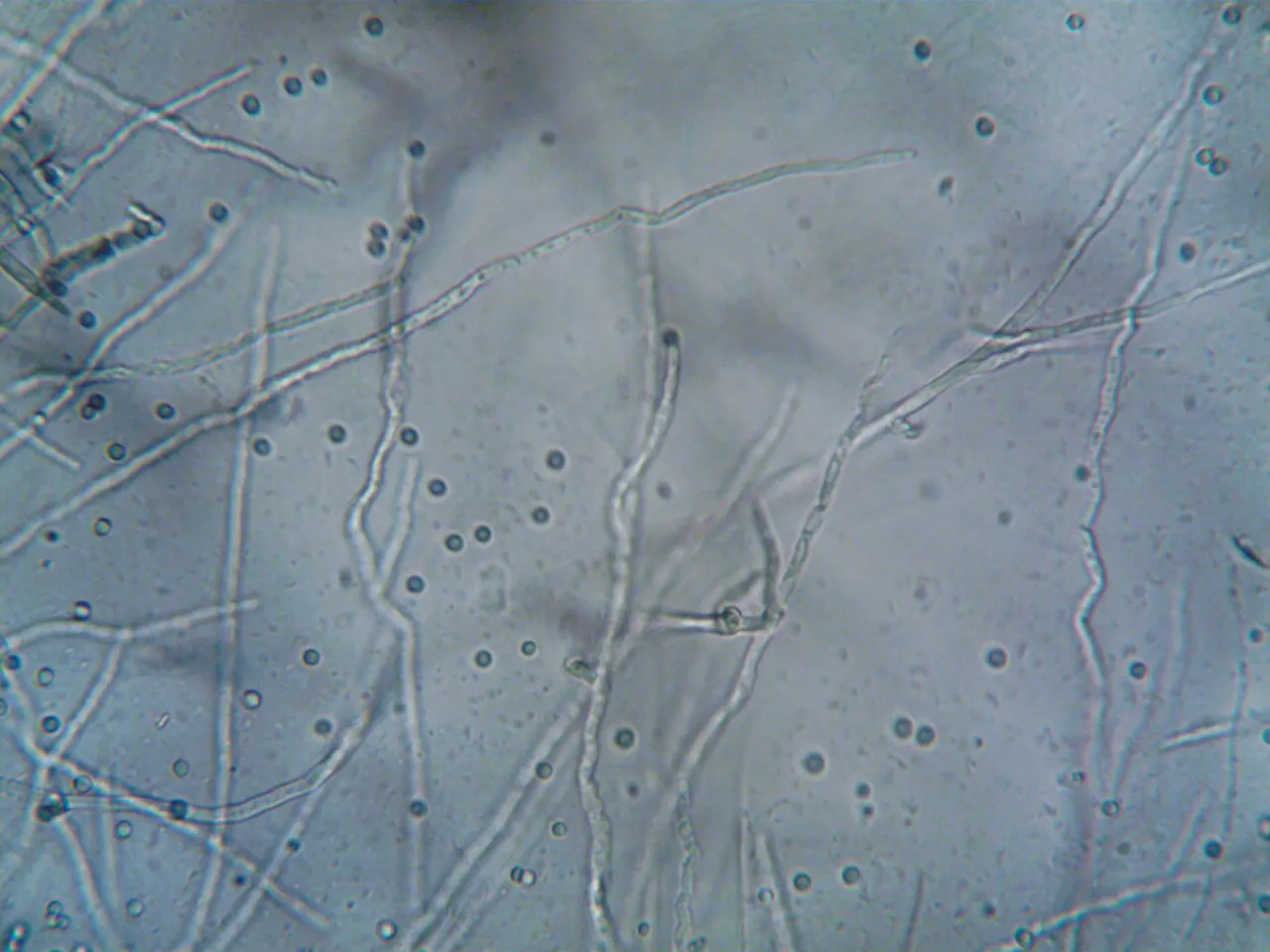
Findings summary
Observed conditions and locations discussed with you.
Our mold inspection Orlando FL service helps homeowners, tenants, buyers, and property managers locate visible growth, hidden moisture, and conditions that support mold. We inspect the affected rooms, trace likely water sources, and explain what the findings mean in plain language. If you notice a musty odor, staining, or recurring dampness in your Orlando property, our team gives you a practical next step based on what we observe.
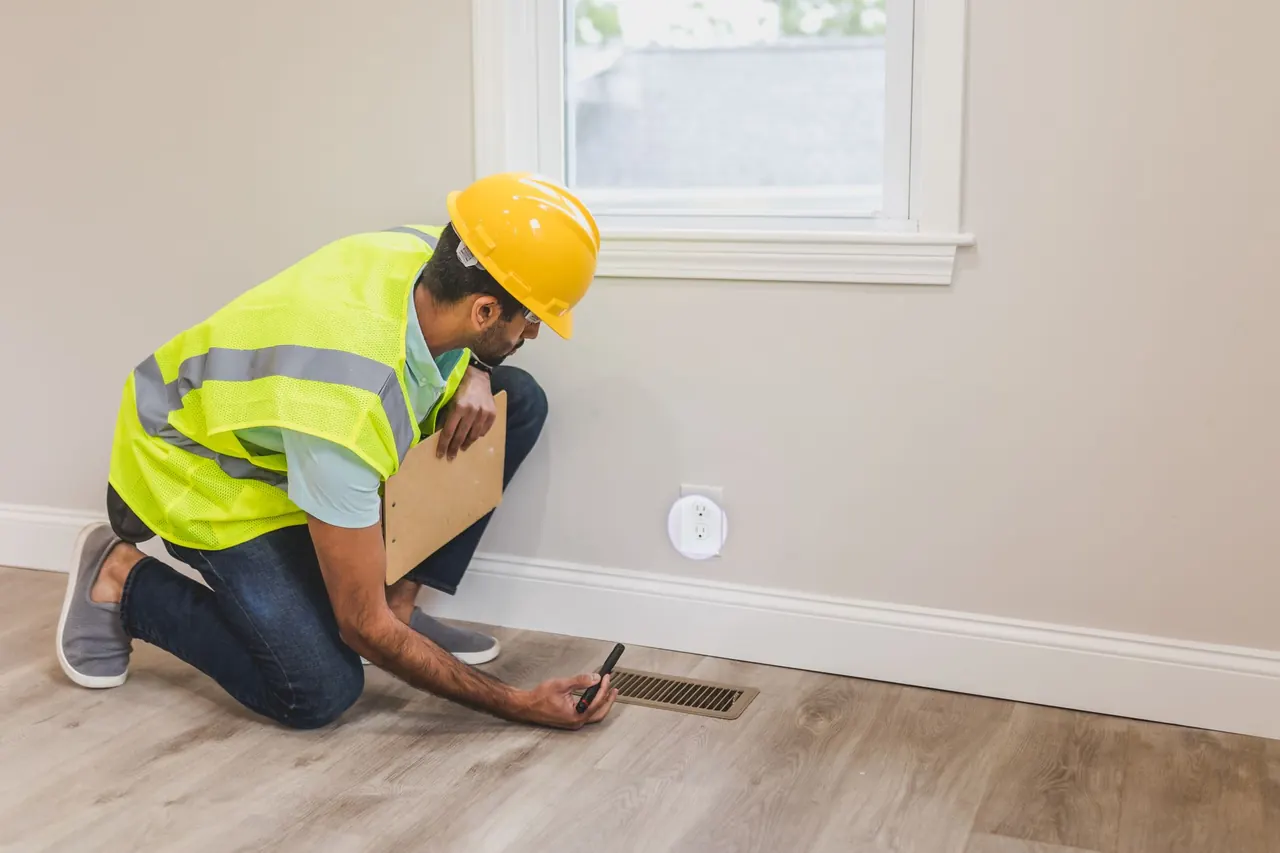
A standard visit covers accessible visual inspection, moisture measurements in suspect areas, review of likely water pathways, and an explanation of observed conditions. We note areas that could not be inspected without opening a finish. Air or surface sampling is an add-on when it answers a defined question; it is not a substitute for finding the moisture source.
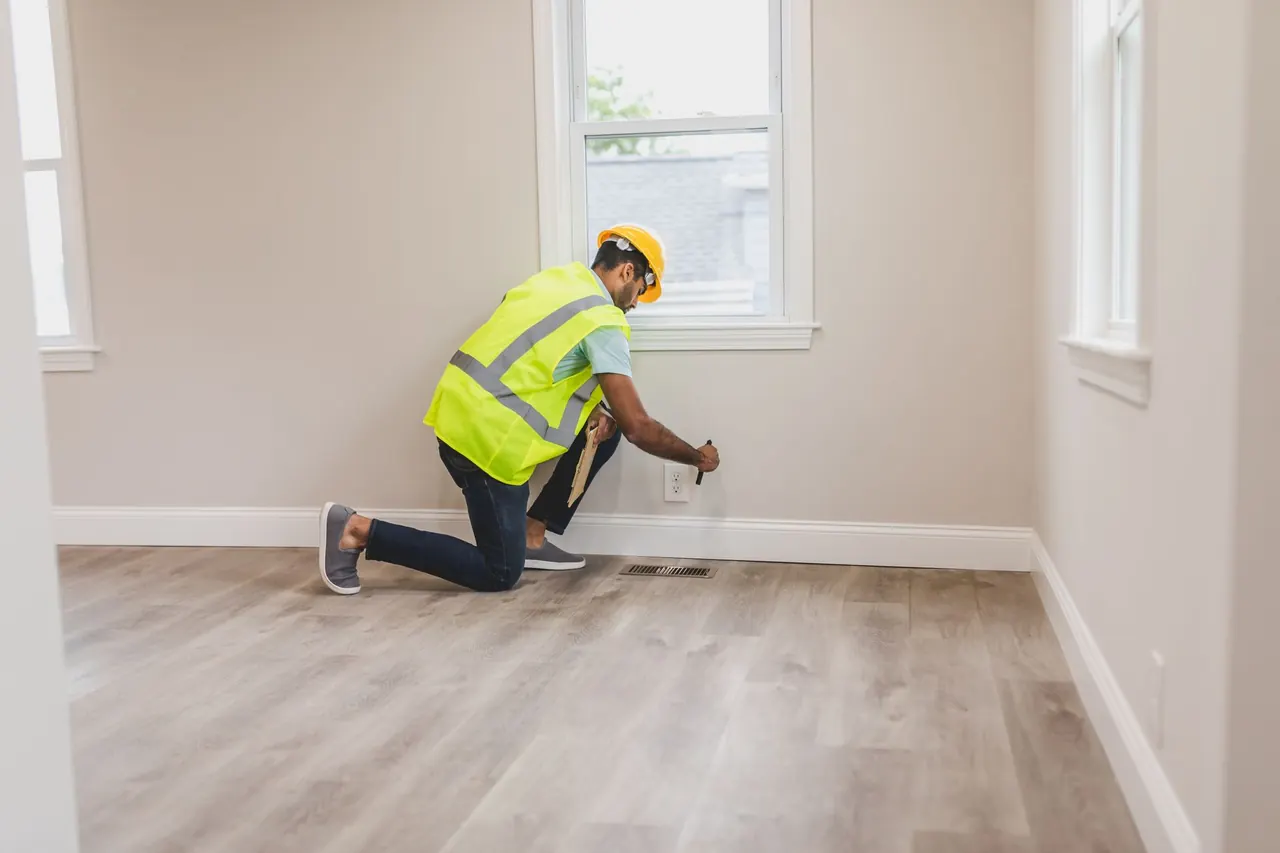
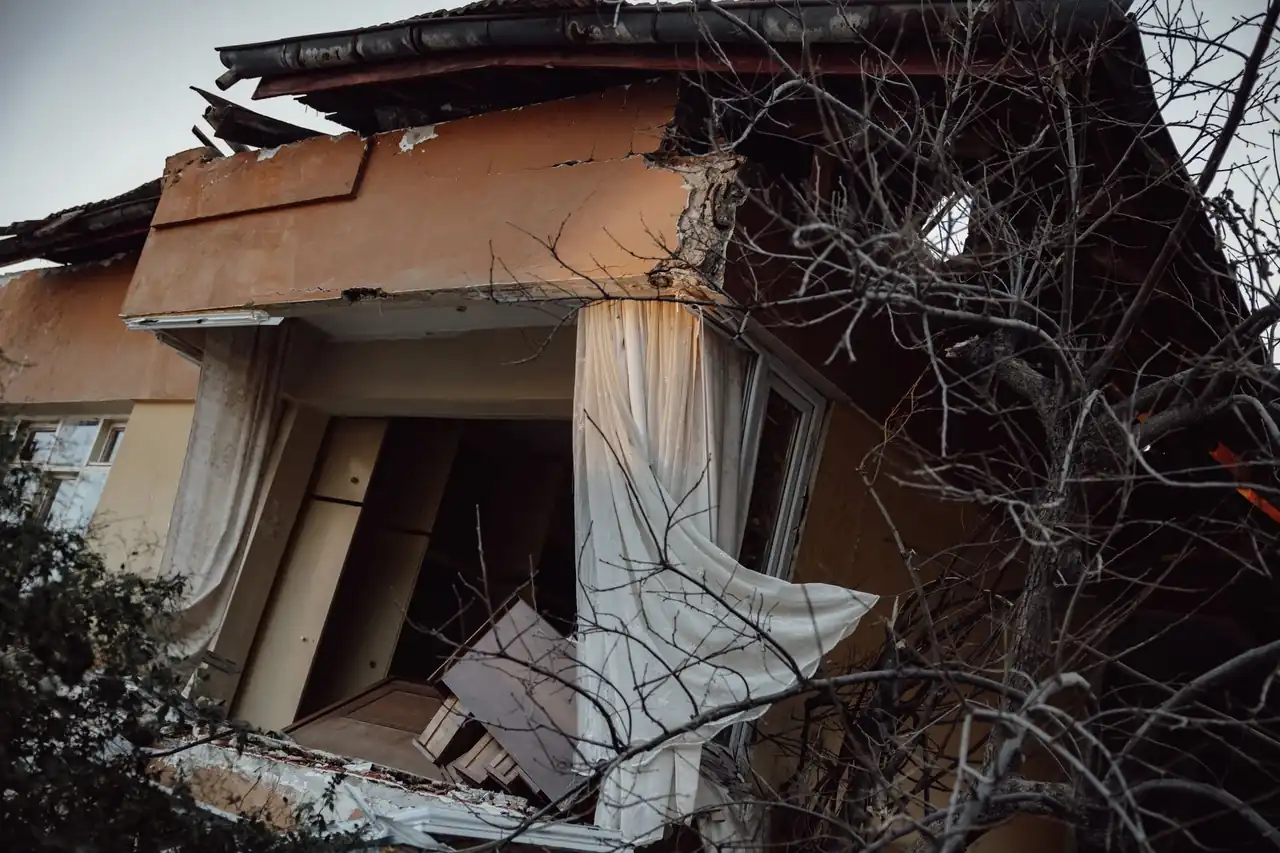
We inspect the rooms you live in, from damp bathrooms to water-stained bedrooms. You see what we check and hear which findings need attention first.
We focus on reported areas and accessible building systems in offices, rentals, and retail spaces. You receive findings that help organize repairs with less disruption.
mold inspection Orlando FL is a property assessment that identifies visible mold, moisture conditions, and likely sources of water intrusion when symptoms or building history call for investigation. We examine accessible surfaces, check damp areas with a moisture meter, and use thermal imaging to look for temperature patterns that can indicate hidden wet materials. A visual inspection does not identify every concealed condition, so we explain access limits and recommend further investigation when evidence points behind drywall, beneath flooring, or inside HVAC ductwork.
Orlando's long humid season, summer storms, plumbing leaks, and air-conditioning condensation can leave drywall or wood framing damp long after a surface looks dry. Our mold assessment Orlando FL service connects those clues to likely causes, from a leaky roof after heavy rain to poor ventilation in a bathroom. If you searched for mold inspection and testing Orlando FL, we can explain when sampling adds useful information and when moisture mapping and visual findings are the more direct first step.
We measure moisture, trace likely sources, and explain the next step.
Our inspection moves from your concern to observable evidence and a usable plan. We begin with the history of the leak, odor, or staining, then examine affected areas and nearby building components. A typical focused visit takes about 1.5 to 3 hours, depending on property size, access, and the number of rooms involved.

Your inspector starts by asking when the odor, spotting, or leak appeared and whether it changes after rain or air-conditioning cycles. We note prior repairs, plumbing events, and rooms that feel persistently damp. This first conversation takes about 10 to 15 minutes and helps us focus the walkthrough on the areas most likely to explain the problem.
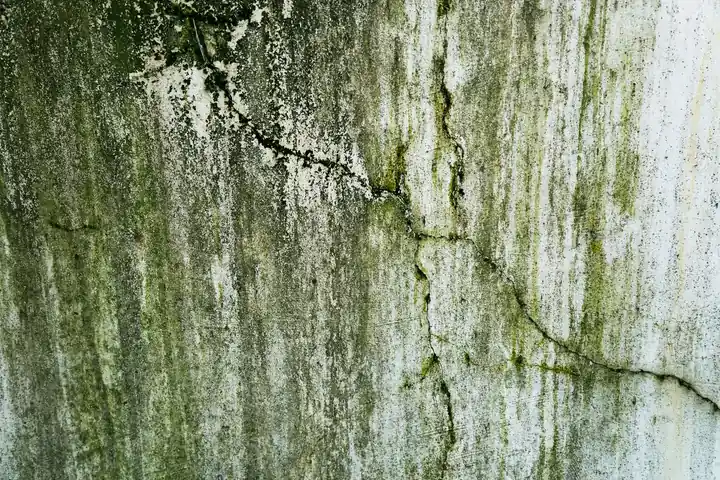
We inspect the affected room and adjacent spaces, checking ceilings, baseboards, windows, cabinets, and accessible mechanical areas. We look for staining, peeling paint, visible growth, condensation, and ventilation problems. You can show us the exact location that concerns you, and we explain what each observation suggests before moving to instrument readings.
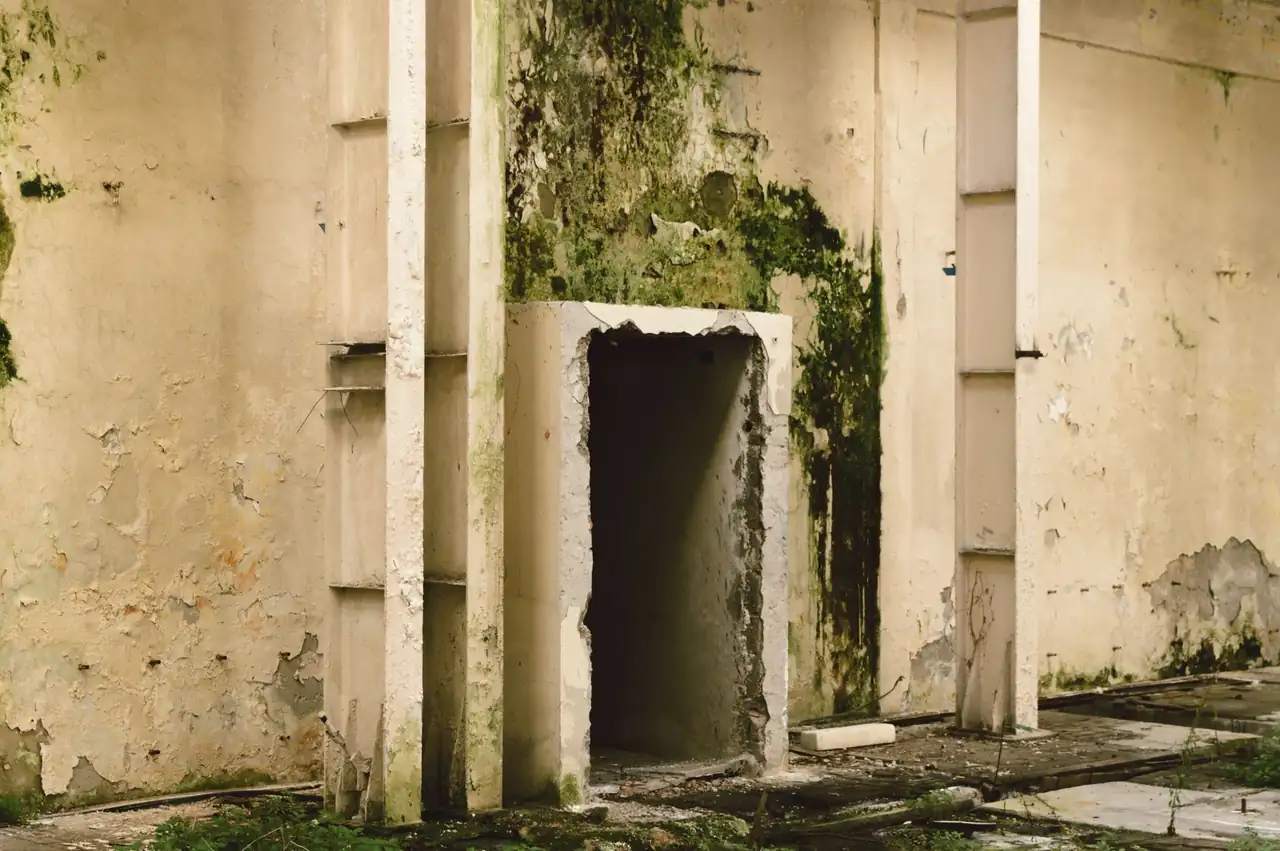
A moisture meter helps compare suspect materials with nearby dry areas; thermal imaging can reveal temperature differences that deserve closer checking. We do not treat a camera image as proof of mold. If readings suggest concealed dampness, we identify the likely area and discuss the appropriate next inspection step with you.
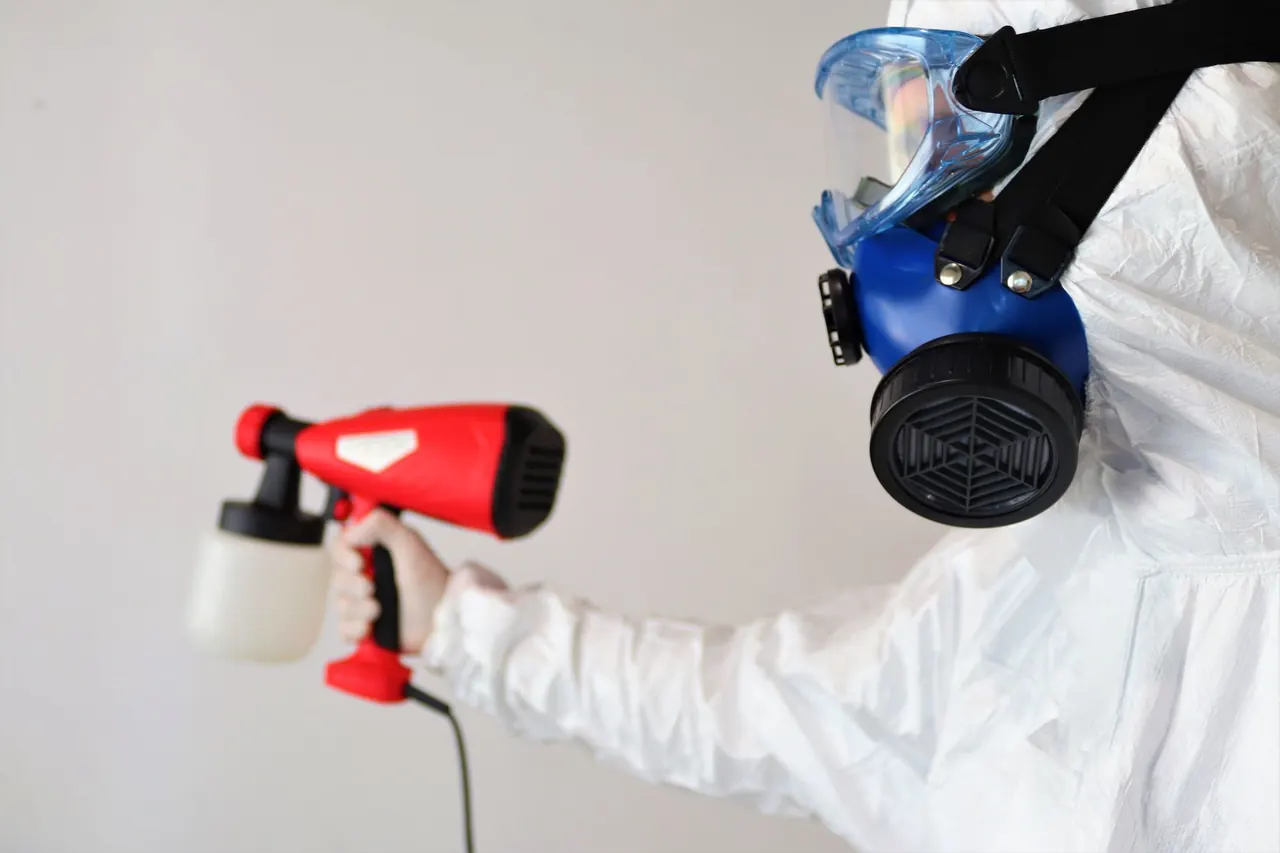
We record observed conditions, moisture indicators, affected locations, and likely water pathways. When sampling is appropriate, we explain the purpose and collect samples using a method suited to the question being investigated. We distinguish what the inspection confirms from what would require opening a surface or laboratory analysis.
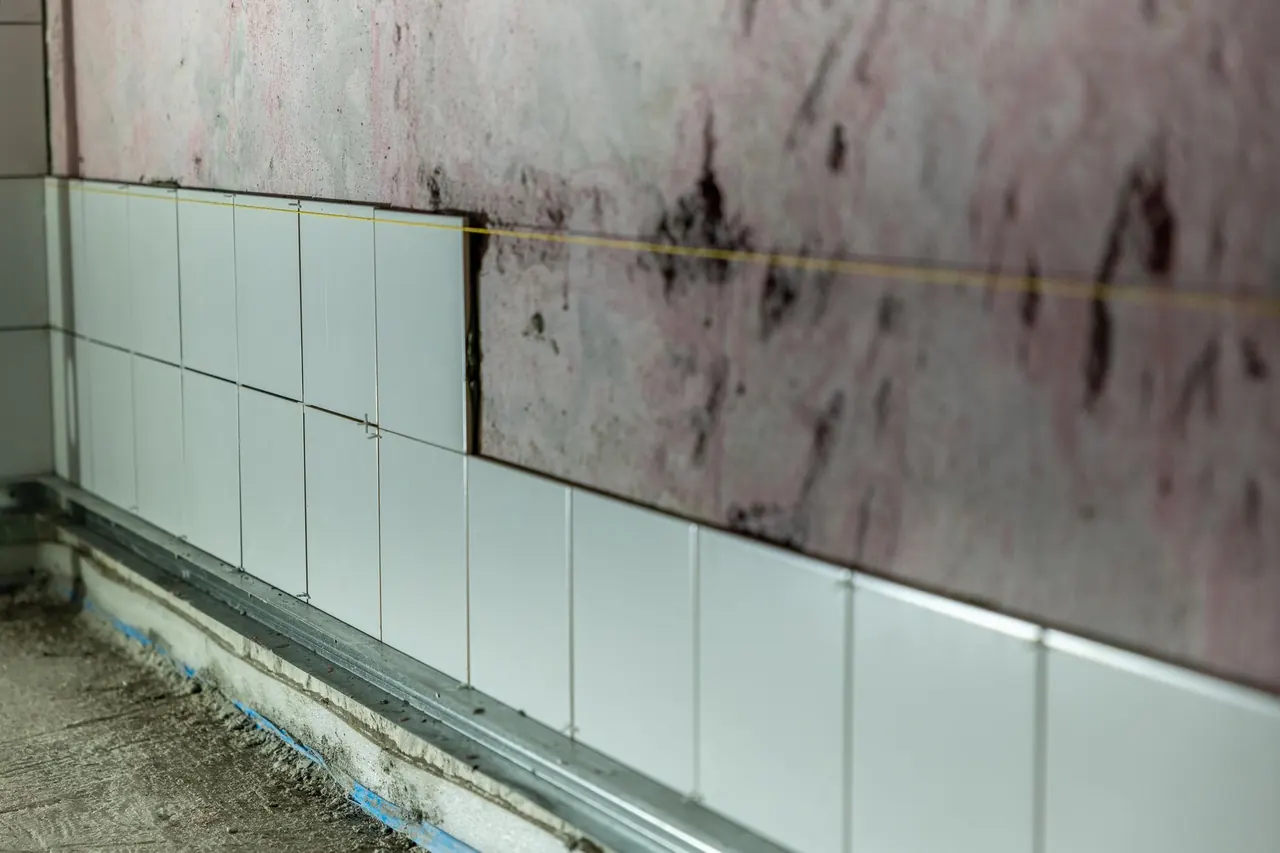
Before leaving, we review the findings with you and prioritize the next action: stop a leak, improve ventilation, dry materials, or investigate a concealed area. You get a clear explanation of what needs attention first. If no active moisture is found, we tell you what conditions to monitor and where to check after heavy rain.
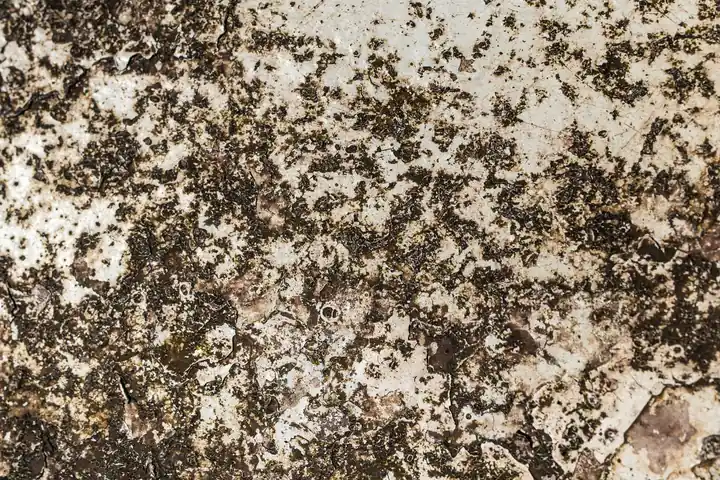
We check suspect drywall, trim, and wood framing, then compare readings with nearby material to identify meaningful differences.

We scan for temperature patterns that may point to hidden moisture; readings are checked against physical evidence, not treated as proof by themselves.

Where an existing opening allows safe access, we use a boroscope to view a concealed space without immediately removing a larger section of finish.
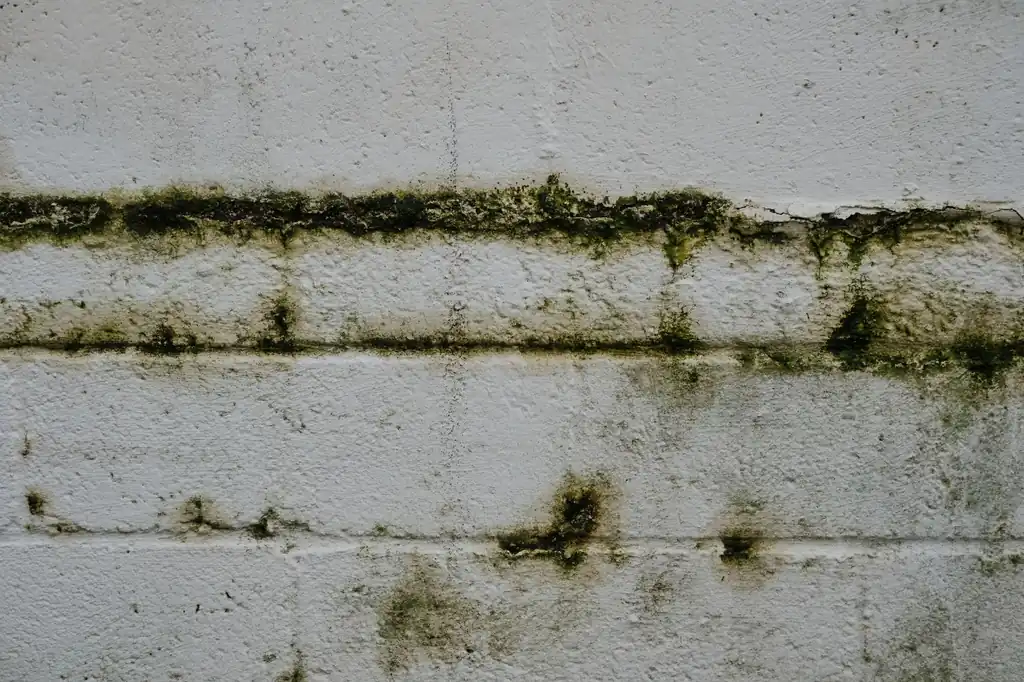
For limited inspection-related debris control, a HEPA vacuum captures fine particles from the work area; it does not replace remediation or source correction.
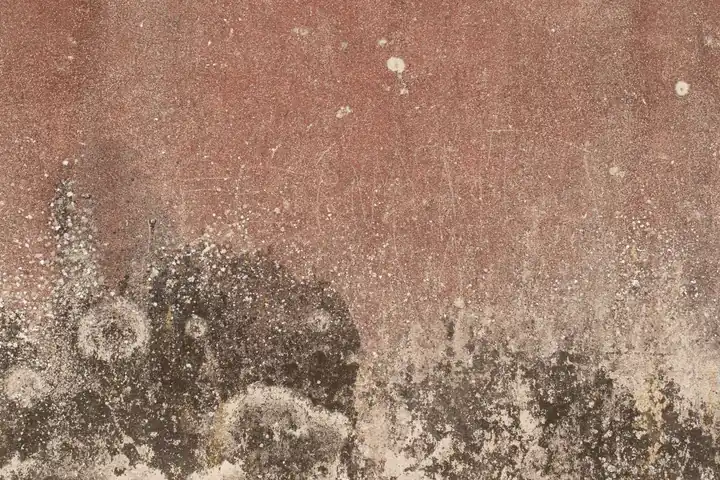
We use jobsite inspection equipment from Ridgid where the task calls for dependable access or measurement tools during the property walkthrough.
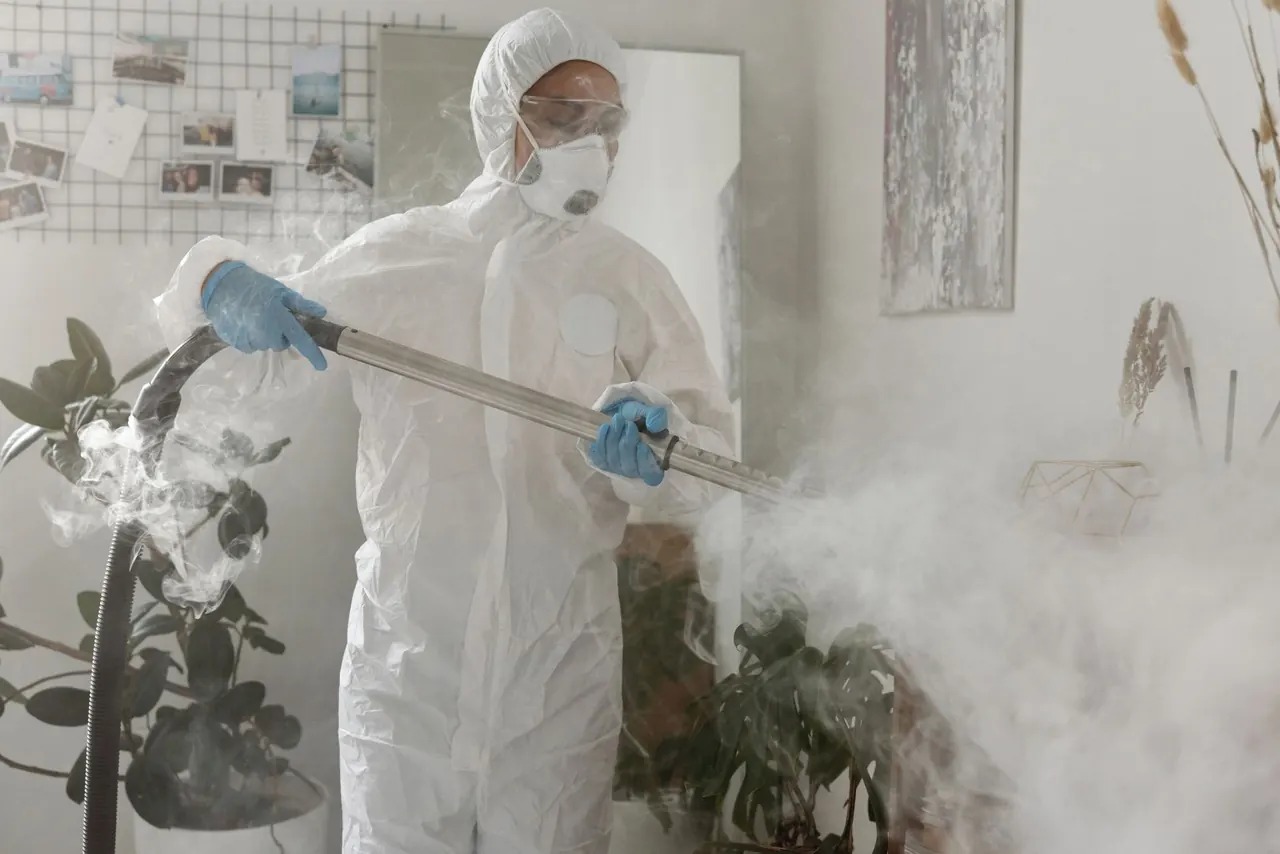
We record visible conditions, then compare suspect materials with nearby areas that appear dry. This puts moisture readings in context and helps us distinguish a localized issue from a wider pattern. A single number is never treated as a complete diagnosis.

We follow the reported water path from the stain, odor, or wet surface toward accessible plumbing, roof transitions, windows, or ventilation points. When the source is concealed, we state what evidence supports the suspected path and what access would confirm it.
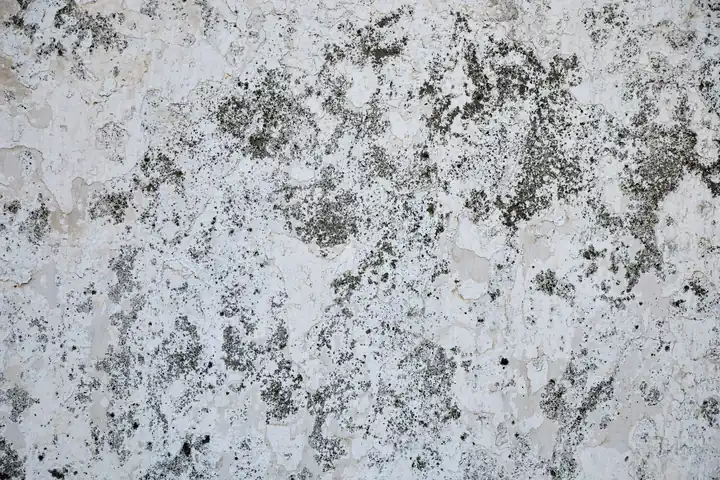
We recommend sampling only when it can answer a specific question that visual findings cannot. We explain the sample location and purpose before collection, then distinguish laboratory results from the moisture and building-condition findings gathered during the inspection.
We inspect the ceiling and adjoining wall, check moisture levels, and look at accessible attic areas for a continuing water path. We document whether materials are damp and explain what roof repair or follow-up access would address the source. You know whether the stain is dry or active, which materials need attention, and what to monitor after the next storm.
We walk the reported room and adjoining spaces, check accessible baseboards and walls, and look for water entry or condensation patterns. We explain what is visible, where readings differ, and whether further investigation is appropriate. The owner receives a focused picture of the reported area and a practical order for addressing moisture and follow-up.
We inspect accessible surfaces around the repair, compare moisture readings, and note signs of staining or odor. If evidence suggests concealed wetness, we identify where additional access or sampling may help answer the purchase question. You can distinguish documented current concerns from cosmetic clues and decide what further evaluation belongs in your property plan.
We inspect the ceiling and register area, check accessible materials, and consider condensation and airflow. Our commercial mold inspection Orlando work records the affected location and explains whether HVAC review, moisture correction, or further testing makes sense. Property managers get clear observations to coordinate building maintenance and reduce repeated disruption to the same work area.
Orlando's heat, humidity, and frequent summer downpours create repeat moisture patterns: roof leaks after storms, condensation around air-conditioning components, and damp bathrooms with limited airflow. Our professional mold inspection Orlando Florida service begins with the property's history because a stain that changes after rain points to a different source than spotting that returns during daily cooling cycles. We inspect the affected rooms, compare moisture readings, and check accessible areas around windows, plumbing, and HVAC components. In older homes, layered repairs can hide earlier leaks; in newer construction, tight envelopes and ventilation habits can contribute to condensation. We serve Orange County properties and account for each building's access and layout. For mold inspection Orlando FL near me searches, tell us whether the problem followed flooding, a roof repair, or a plumbing leak so we can focus the visit. We explain findings and practical next steps without treating a camera image or odor as proof of mold.
A homeowner reported dark spotting beside a bathroom vent that returned after surface cleaning. The wall felt cool, and the odor was strongest after showers. No one had checked the nearby drywall for moisture or considered whether the room's airflow was carrying humid air toward the ceiling.
Our inspection found a localized moisture pattern around the vent area, with readings higher than the adjacent dry wall. We documented the affected zone and explained the ventilation and moisture correction to address first. The homeowner had a clear basis for coordinating the repair instead of repainting the same area again.
Run the bathroom fan during showers and for 20 minutes afterward. Check the ceiling and vent area weekly for renewed spotting, and report any change before repainting.
After two periods of heavy rain, a ceiling stain spread from a bedroom corner. The paint looked dry during the day, so the owner was unsure whether the roof leak had stopped. A nearby closet also carried a musty smell, but no moisture readings had been taken.
We inspected the ceiling and closet, then compared moisture readings across the stain and surrounding drywall. The readings showed a damp area extending beyond the visible mark. We documented the likely roof-side pathway and identified the affected interior area for follow-up after the water entry was corrected.
After roof repair, recheck the stain and closet after the next heavy rain. Keep the area accessible and watch for new discoloration, peeling paint, or odor.
A tenant's kitchen sink supply line had leaked into the cabinet base and adjacent wall. The plumber stopped the leak, but the cabinet still smelled damp and the property manager needed to know whether the wall remained wet before scheduling finish repairs.
We checked the cabinet, baseboard, and accessible wall surfaces, comparing the suspected water path with nearby materials. The inspection identified the locations requiring drying follow-up and gave the manager a practical sequence: confirm dry conditions, then plan finish work. The repair decision was based on measured areas rather than appearance alone.
Keep the cabinet open during drying and inspect the supply connections monthly. Check for renewed dampness after the next use of the sink and address drips promptly.
Recurring stains and musty odors often point to moisture that has not been corrected. We focus on locating the condition behind the symptom, then explain how it affects the room and what should happen next. A focused inspection helps you avoid repeating surface cleanup while a leak or damp building material remains.
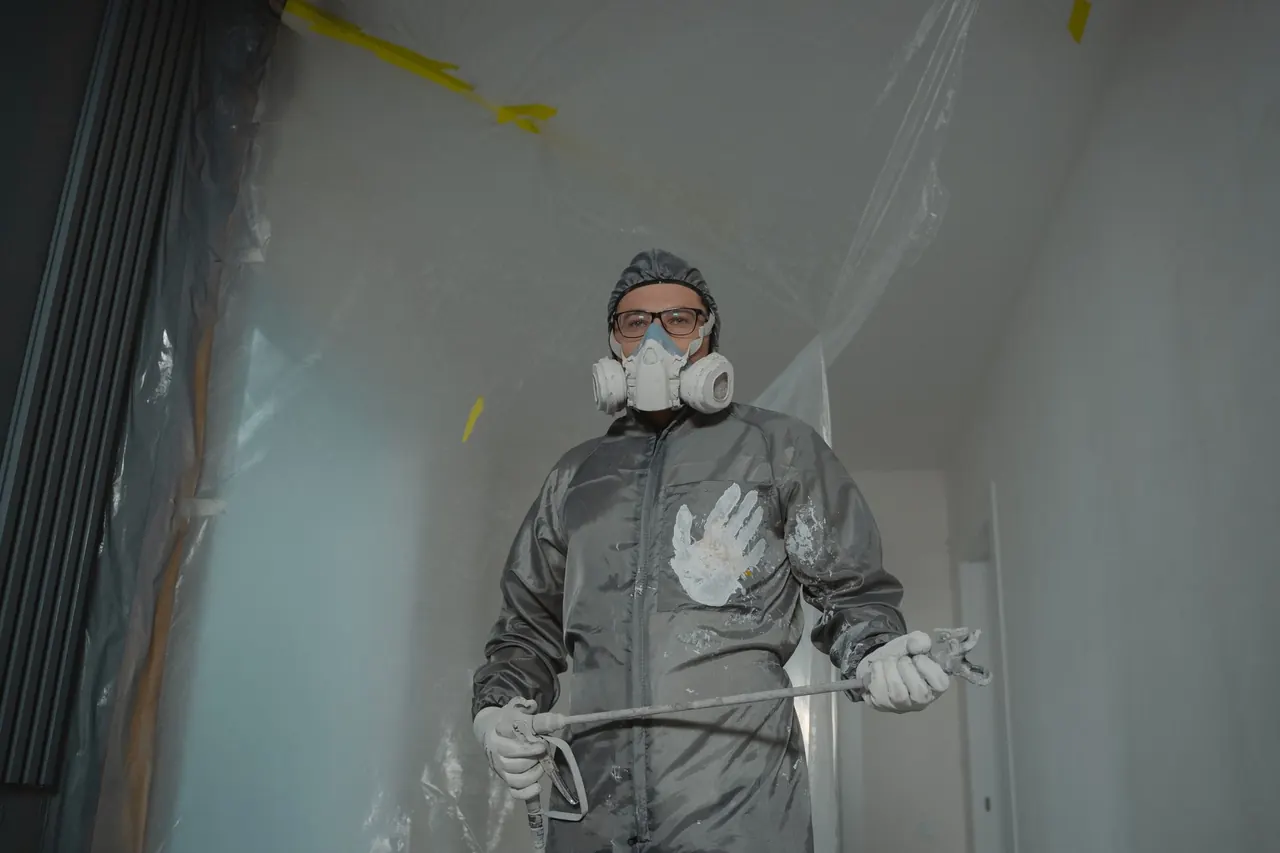
We inspect the odor area and adjoining surfaces, check accessible ventilation, and measure suspect materials against a dry reference point. If readings or visible conditions indicate a concealed source, we identify the likely location and explain what access or repair would clarify it. You get a next step tied to the evidence, not another round of masking the smell. Odor that returns can signal persistent dampness, trapped moisture, or poor airflow. Ignoring it can leave hidden materials wet and allow damage to spread.
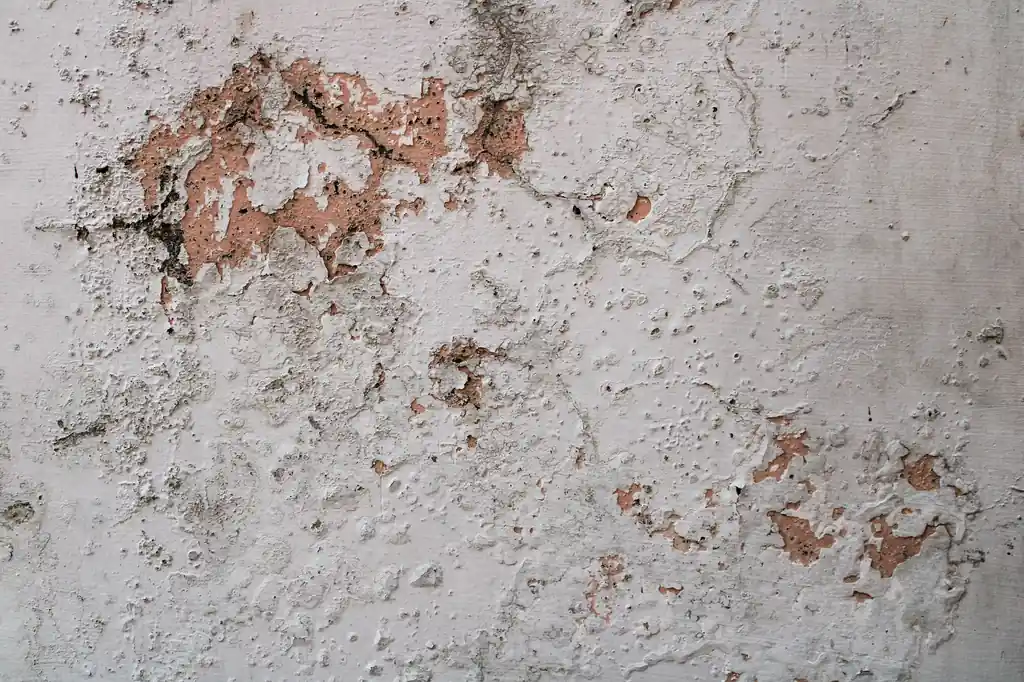
We examine the stain, nearby ceiling and wall transitions, and accessible attic areas when available. Moisture readings help distinguish an old, dry mark from active dampness. We document the observed pattern and point you toward the roof or building repair that should stop water before interior finishes are addressed. A recurring stain often means water continues to enter at a roof detail or nearby opening. Wet insulation and drywall can deteriorate while the surface is repainted.
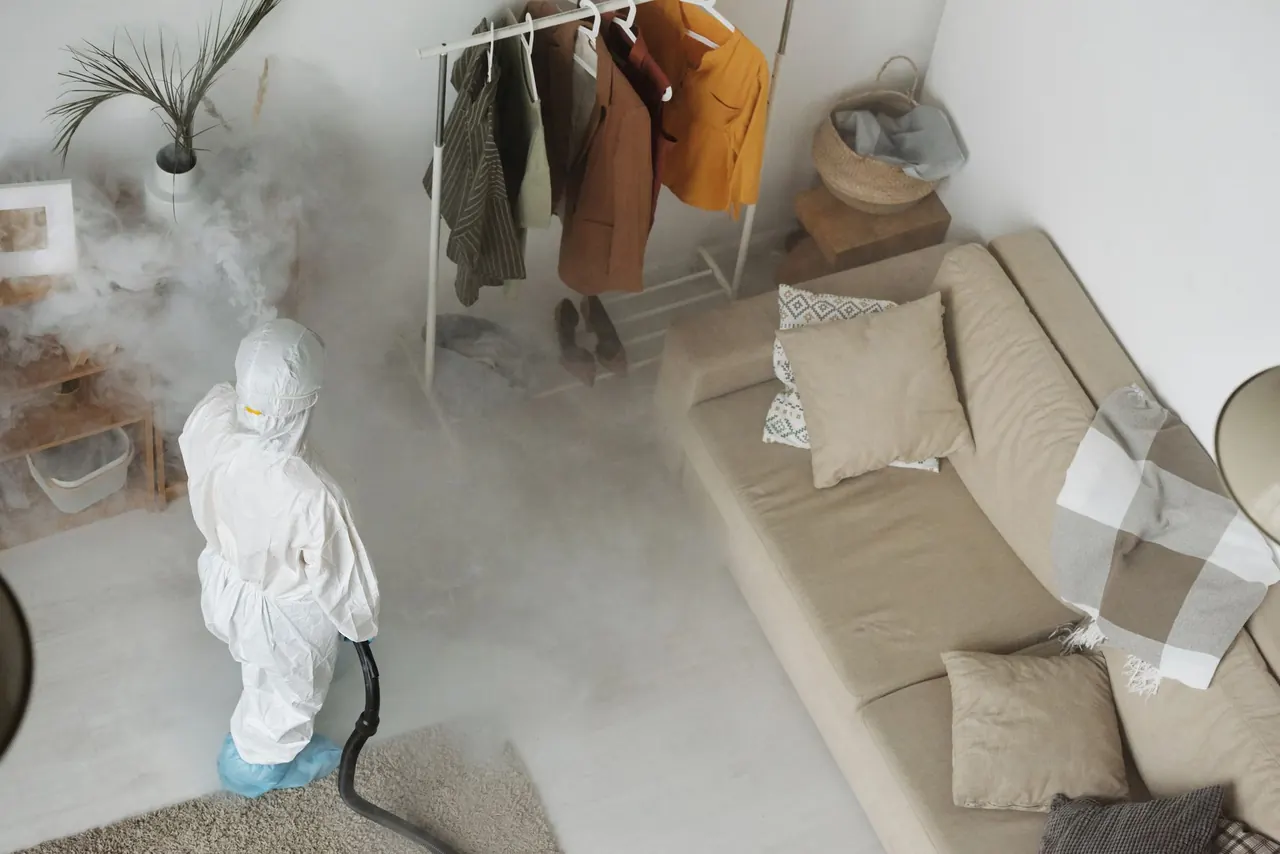
We check the surrounding materials for moisture, inspect visible condensation patterns, and consider airflow and humidity conditions. The findings help determine whether the issue centers on a leak, condensation, or ventilation. We explain which materials appear affected and what practical correction should come before any cleanup. Repeated condensation can keep paint, trim, or nearby drywall damp. Without correcting the moisture condition, surface cleaning may only hide the symptom temporarily.
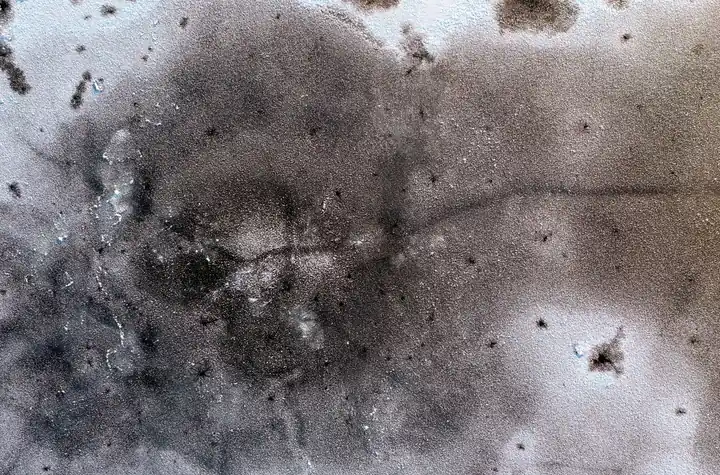
We inspect the repaired area and nearby finishes, then compare moisture readings across the suspected water path. If the readings remain elevated relative to dry material, we identify where drying or additional access is needed. You can use the findings to coordinate restoration and verify that the affected area is moving toward dry conditions. A stopped leak does not mean the wall cavity or floor assembly is dry. Damp insulation and framing can retain moisture after the visible puddle is gone.
We compare visible staining with meter readings and thermal patterns instead of relying on odor alone. A moisture reading above the surrounding dry material helps identify where follow-up is warranted. For residential mold inspection Orlando FL customers, this can narrow attention to a leak path, damp insulation, or a wet wall cavity before more finishes are removed.
Black mold-like spotting is a visible condition, not a complete explanation of what caused it. We look for the water source, including plumbing leaks, roof entry, condensation, or poor ventilation. Finding the likely cause helps you address the condition rather than repeatedly cleaning a surface that becomes damp again.
A documented inspection gives buyers, sellers, owners, and managers a clearer basis for planning. Our Orlando mold inspection services focus on observed conditions, moisture indicators, and areas that deserve attention. You receive findings you can use to plan maintenance, request repairs, or decide whether additional testing is appropriate.
A small active leak can keep a larger area wet, so we flag the difference between a dry stain and ongoing moisture. We point out immediate concerns and practical next actions. If a reading shows damp material, addressing the water source promptly helps limit damage to drywall, insulation, and nearby wood framing.
Clear records you can keep and share.
Observed conditions and locations discussed with you.
Readings compared with nearby material where useful.
Practical priorities for repairs, drying, or follow-up.
Inspection looks at building conditions, visible growth, and moisture clues. Testing collects samples to answer a narrower question when observations alone are not enough.
A visual finding shows what is present on accessible surfaces. It does not identify every concealed condition behind a finished wall.
A meter helps compare suspect material with nearby areas. One reading needs context from the surface, location, and building history.
Sampling can provide laboratory information about a collected specimen. It does not locate a leak or replace moisture source investigation.
Outside these neighborhoods? Call to ask about service coverage across Orange, Seminole, and Osceola counties. (728) 300-9969
Our licensed inspectors utilize calibrated FLIR infrared thermal imaging cameras to identify concealed moisture temperature differentials behind drywall, digital non-invasive pinless and pin-type moisture meters, thermo-hygrometers for relative humidity and dew point mapping, and boroscopes for cavity inspection.
A mold inspection in Orlando includes a visual walkthrough, moisture checks in suspect materials, review of likely water sources, and documentation of observed conditions. We inspect accessible rooms and use tools such as a moisture meter where readings can clarify the pattern. Sampling is not automatic; we recommend it when a specific question requires laboratory analysis. The final discussion explains findings, limitations, and practical next steps.
Most focused residential inspections take about 1.5 to 3 hours, while larger properties or multiple affected areas take longer. The time includes a brief history, walkthrough, moisture measurements, and a findings review. We may need additional access if a suspected source is behind a finish. Before the visit, tell us the number of rooms involved and whether the concern followed flooding or a continuing leak.
Consider an inspection before purchase if you find a musty odor, past water damage, visible spotting, or signs of a recurring roof or plumbing leak. A general home inspection may not map moisture in a specific suspect area. Our mold inspection for real estate Orlando FL service focuses on the reported concern and documents accessible findings, helping you decide whether a repair, further evaluation, or additional testing is warranted.
Get a clear account of the moisture, visible growth, and next steps affecting your property. Our team explains findings in plain language and focuses on evidence. Call Orlando Mold Guardians at (728) 300-9969 to arrange an inspection.
Call Orlando Mold Guardians at (728) 300-9969 to discuss a leak, visible growth, or a persistent musty smell. Our office hours are Monday through Friday, 8:00 a.m. to 6:00 p.m.; leave your name, neighborhood, and a short description if you reach voicemail, and we will respond during business hours. We serve Orlando, Florida, and nearby Orange County communities.