Mold Remediation Orlando FL in Winter Park

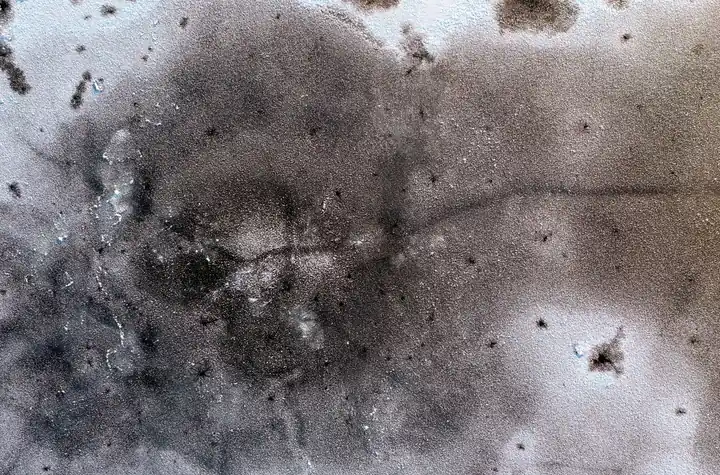
Mold Remediation Orlando FL in Winter Park starts with finding the moisture source, not covering the stain. Orlando Mold Guardians serves homes near Park Avenue, Hannibal Square, and Winter Park Pines, where older plumbing, roof wear, and humid weather can leave concealed dampness behind. Our team inspects affected materials, contains the work area, and explains the removal steps so you know what happens next.

Mold Remediation Orlando FL in Winter Park

Serving Winter Park homes

  • FL DBPR Lic #MRSR3492State-licensed, bonded & insured remediation contractor
  • 60-Min Emergency Response24/7 on-call dispatch across Orange, Seminole & Osceola
  • IICRC S520 StandardsSurgical negative-air containment prevents spore spread
  • Guaranteed Lab ClearanceIndependent 3rd-party certified normal fungal ecology

Need Immediate Mold or Moisture Inspection in Orlando?

Florida DBPR-licensed technicians on standby 24/7. Call for 60-minute emergency dispatch.

Mold Remediation Orlando FL in Winter Park

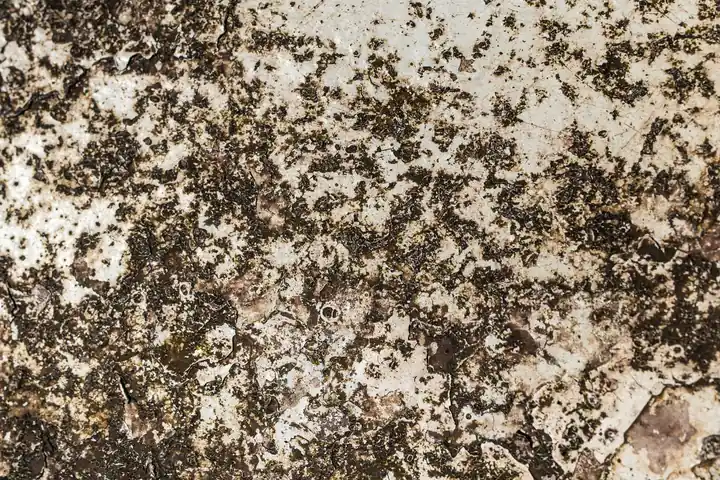
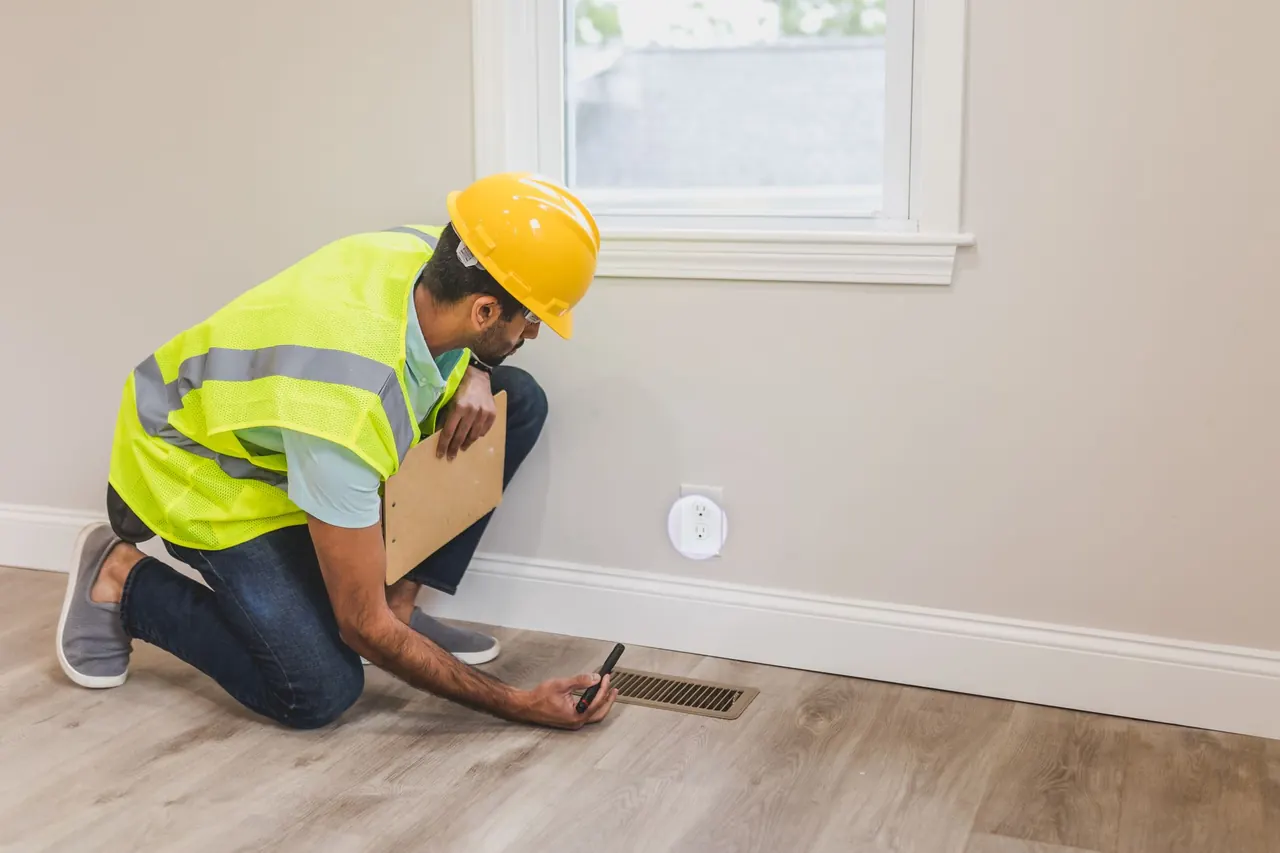
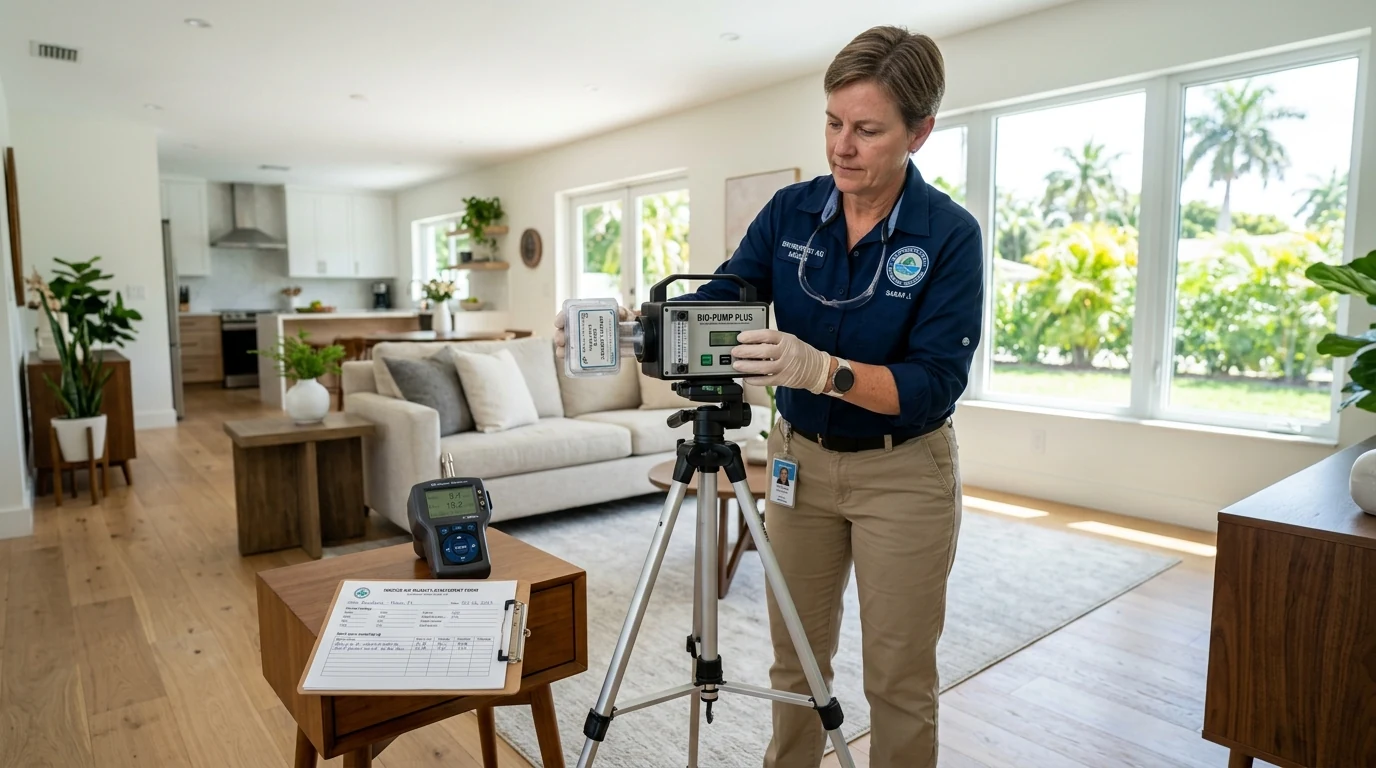
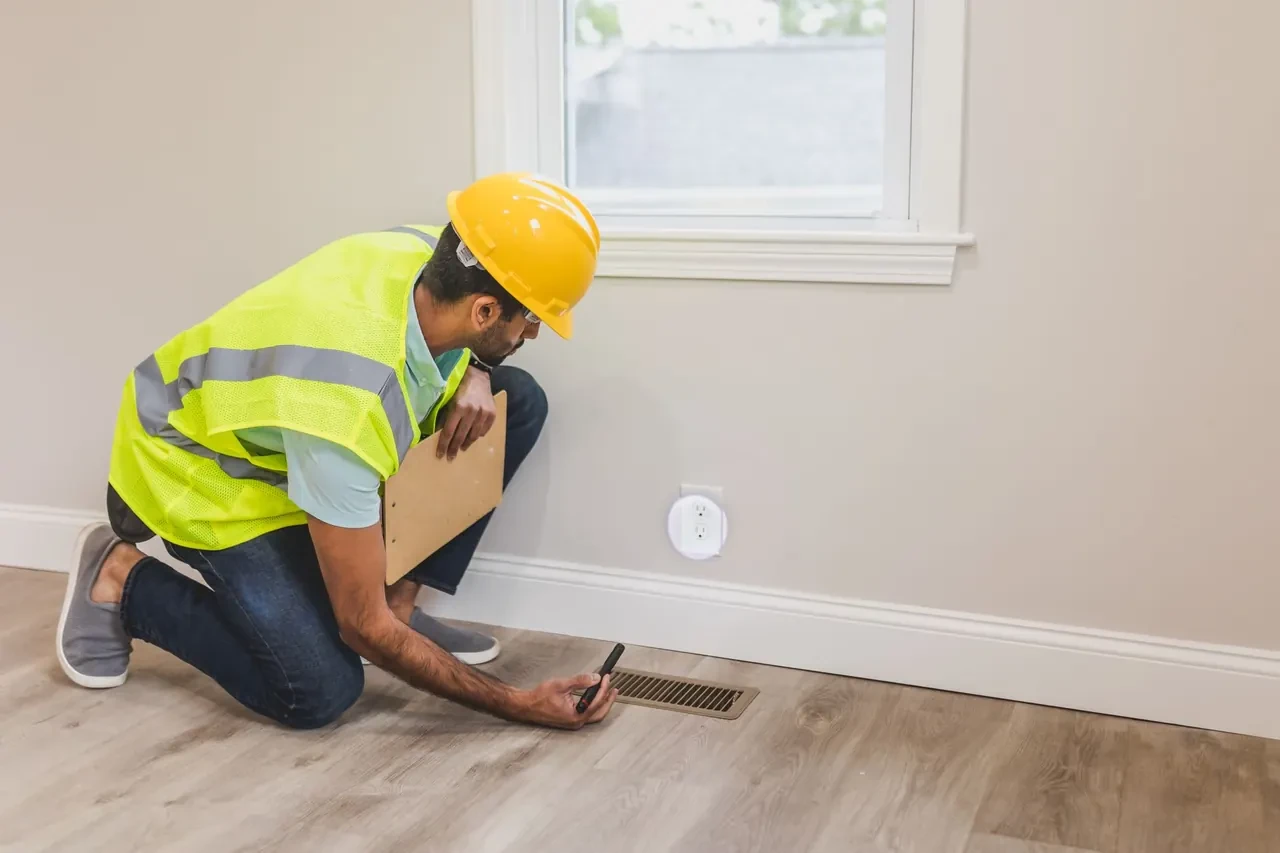
Mold Remediation Orlando FL in Winter Park is a property cleanup and moisture-control service that removes mold-affected materials and addresses the conditions that allow growth. Orlando Mold Guardians works across Winter Park, including Lakeside, Winter Park Pines, and streets around Park Avenue, with service also covering the broader Orange County area. Historic homes with older plumbing need careful checks around wall cavities and under sinks; lakefront homes call for close attention to persistent indoor moisture. We use a moisture meter and thermal imaging camera to identify wet areas before planning containment and removal. Our inspection documents visible growth, water damage, and likely moisture pathways without promising a diagnosis from appearance alone. The work plan follows the affected materials and the source of water, whether that is a plumbing leak, a leaky roof, or condensation. Winter Park Mold Remediation Orlando FL is delivered with attention to protecting finished interiors, especially in upscale properties where discreet setup and clean access matter. We explain the sequence, protect unaffected rooms, and leave you with clear next steps for drying and repair.

Winter Park's mix of older houses, renovated properties, and lakefront homes brings different moisture conditions into a compact service area. High humidity and afternoon thunderstorms can expose roof weaknesses, while mature trees can contribute to roof damage when branches contact roofing or debris blocks drainage. We serve customers who notice a ceiling mark after a storm, a musty cabinet beside aging plumbing, or repeated condensation in a poorly ventilated room. Our crew plans access around occupied homes and finished interiors, then focuses on the source before removing affected material. That approach helps you avoid cosmetic patching over damp drywall and gives you a practical route from inspection to cleanup.

Winter Park Mold Remediation Orlando FL Services

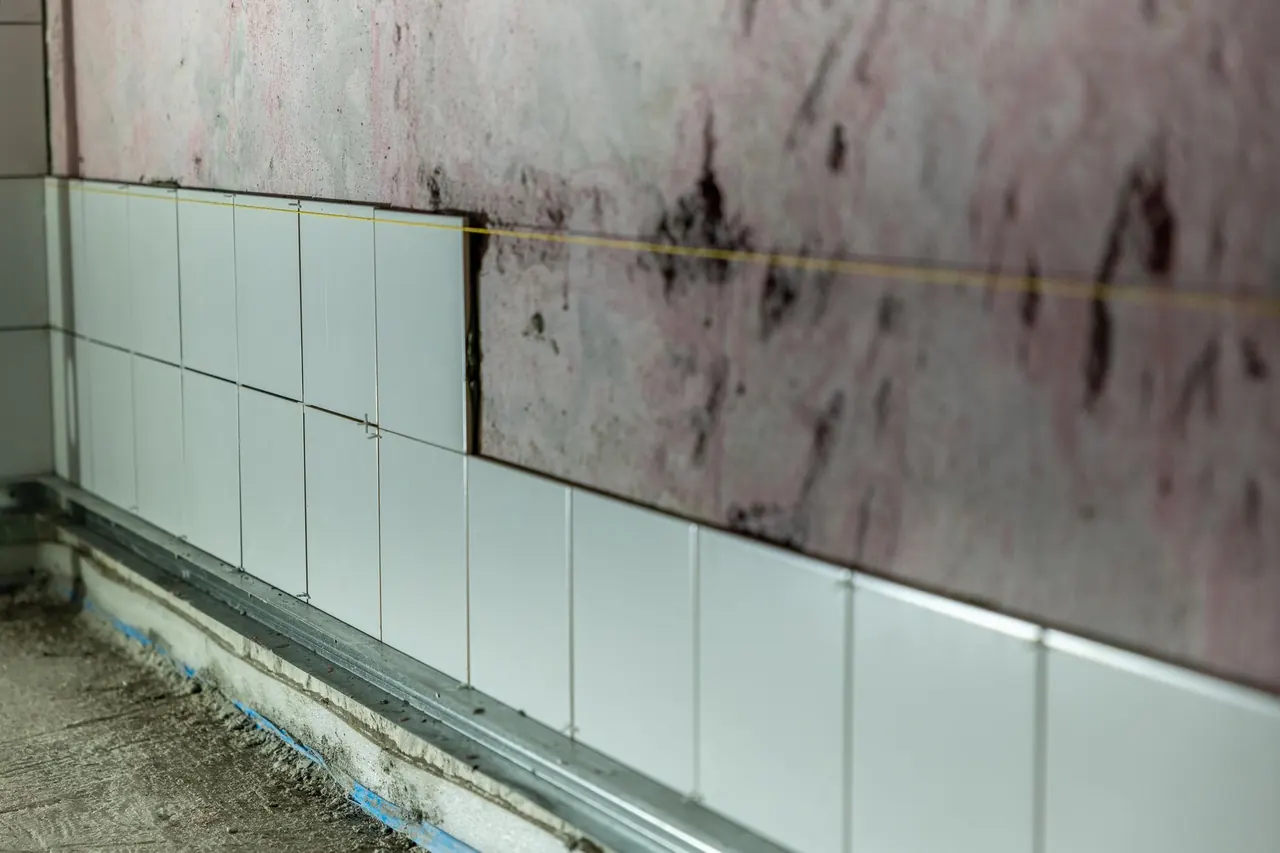
Winter Park properties need a service plan that distinguishes an old stain from active moisture and checks what is hidden behind finished surfaces. Our crew responds to concerns from historic homes near Hannibal Square to lakefront properties with recurring dampness. If you search for Mold Remediation Orlando FL in Winter Park near me, you need a team that can inspect the source, describe the affected materials, and set out a safe sequence for removal and drying. We handle mold remediation, inspections, black mold removal, water damage restoration, and testing.

Services for Winter Park properties

Mold remediation in Winter Park

Mold remediation in Winter Park

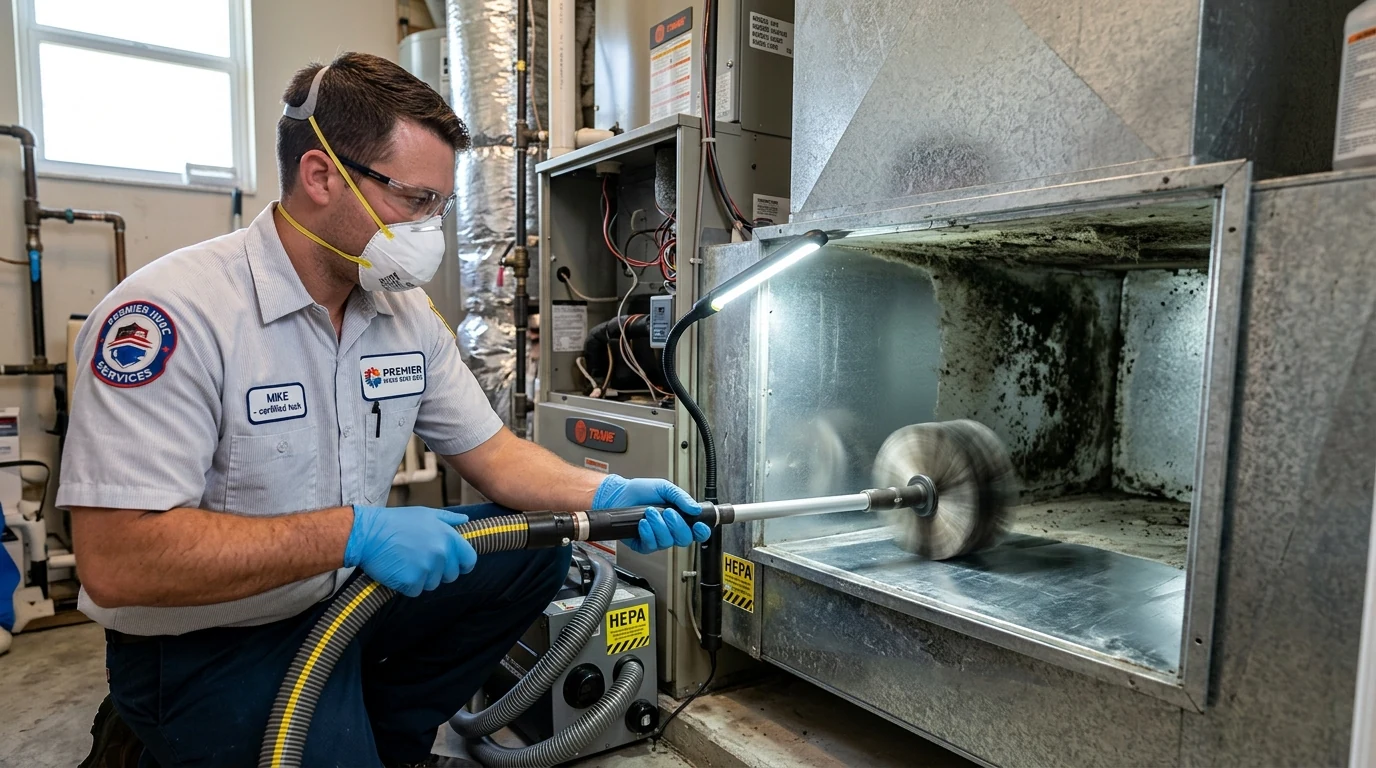
We locate moisture before opening walls in older Winter Park homes. Containment protects nearby rooms while affected drywall or insulation is removed. We track drying readings so you can see when the structure is ready for repair.

  • Moisture source traced
  • Finished rooms protected
  • Drying readings documented
Winter Park home service

Winter Park home service

We assess each home according to its construction, finishes, and moisture history. Older plumbing, lakefront humidity, and storm-related roof leaks call for a measured inspection.

  • Historic homes with older plumbing
  • Lakefront homes with damp rooms
  • Winter Park Pines residences
  • Storm-damaged ceilings and attics
Winter Park business service

Winter Park business service

We plan access around occupied work areas and finished interiors. The work zone is kept focused while moisture and affected materials are checked.

  • Park Avenue storefronts
  • Hannibal Square business spaces
  • Small offices with leaks
  • Multi-unit property common areas

Common Winter Park Moisture Problems

Winter Park's warm, humid climate and afternoon thunderstorms put roofs, plumbing, and ventilation under regular moisture pressure. Older houses can have aging pipe connections and layered renovations that hide leaks, while mature trees can cause roof damage when branches contact roofing. Lakefront homes also need careful indoor humidity control, though proximity to water alone does not prove a mold problem. Winter Park Mold Remediation Orlando FL should start by finding the moisture source and measuring affected materials before removal.

  • Roof leaks after storms wet ceilings and concealed insulation

    Roof leaks after storms wet ceilings and concealed insulation

    Wind-driven rain, aging roof details, and damage from mature trees can allow water into attic spaces. The water may travel along framing before it appears as a ceiling stain, leaving insulation wet even when the visible mark seems small. We trace the interior moisture pattern, inspect accessible attic areas, and measure the ceiling and framing. Wet porous materials are removed when findings support it, and drying is monitored. We identify the roof repair needed to stop new water from entering.

  • Older plumbing leaks dampen walls, cabinets, and flooring

    Older plumbing leaks dampen walls, cabinets, and flooring

    Historic homes with older plumbing can develop slow leaks at supply lines, drains, or fixture connections. A small drip may remain hidden inside a vanity or wall until swelling, odor, or discoloration becomes visible. We check around the fixture, cabinet base, and adjacent wall, then follow moisture readings to define the affected area. After the plumbing source is addressed, we contain removal, clean remaining surfaces, and dry the structure before repairs close it.

  • High indoor humidity causes recurring condensation and surface growth

    High indoor humidity causes recurring condensation and surface growth

    Florida humidity, afternoon thunderstorms, and poor ventilation can leave indoor air damp. Condensation forms when humid air contacts cooler surfaces, particularly in closets, bathrooms, and rooms with limited airflow. We measure moisture and inspect the room conditions rather than treating every dark mark as the same problem. Cleanup addresses affected materials, while dehumidification and ventilation guidance help reduce repeated surface wetting after remediation.

  • Lakefront homes experience persistent dampness in enclosed rooms

    Lakefront homes experience persistent dampness in enclosed rooms

    Some lakefront properties have rooms where closed windows, limited air circulation, or cooling patterns allow moisture to linger. The setting is not proof of a defect, but persistent humidity can contribute to condensation and damp materials. We inspect the specific room, check walls and furnishings for moisture patterns, and look for plumbing or exterior water entry before assigning a cause. We clean confirmed affected areas and explain practical airflow and humidity steps based on the findings.

When to Call Mold Remediation in Winter Park

Notice recurring odors, spreading stains, damp drywall, or condensation in your Winter Park property? Start with the moisture source.

  • Musty smell returns after cleaning

    A recurring odor often points to damp material or growth hidden behind a cabinet, baseboard, or wall finish. Surface cleaning can temporarily reduce the smell without addressing its source. If the odor returns after a leak or humid spell, have the nearby materials checked before repainting or closing the area.

  • Ceiling stain grows after afternoon storms

    A spreading stain suggests water is still entering or trapped above the ceiling. Roof leaks can travel along framing, so the damp point may not sit directly over the visible mark. Arrange an inspection promptly, especially if drywall is soft, bubbling, or sagging.

  • Cabinet base swells near plumbing

    Swollen particleboard, peeling cabinet edges, or soft flooring can signal a slow plumbing leak. In historic Winter Park homes, supply and drain lines may be concealed behind finished surfaces. Stop the leak, then check adjoining materials so dampness is not left to support mold growth.

  • Dark patches spread behind furniture

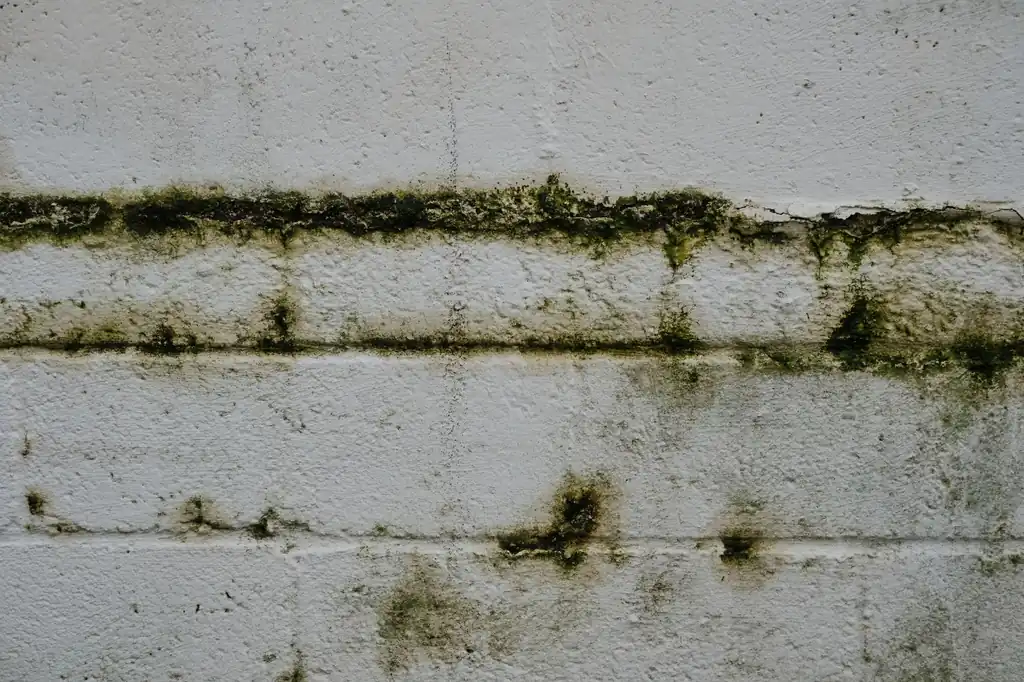
    Localized dark growth on a wall can develop where airflow is limited and condensation repeatedly dampens a cool surface. Color alone cannot confirm a mold type. Move furniture carefully, avoid scrubbing dry growth, and have the wall moisture and room ventilation assessed.

  • Indoor humidity stays above 60 percent

    Repeated readings above 60 percent indoors can make drying harder and support condensation on cool surfaces. Check humidity with a reliable meter and note when it rises, such as after showers or storms. Persistent dampness alongside odor or visible growth calls for an inspection.

How We Work Across Winter Park

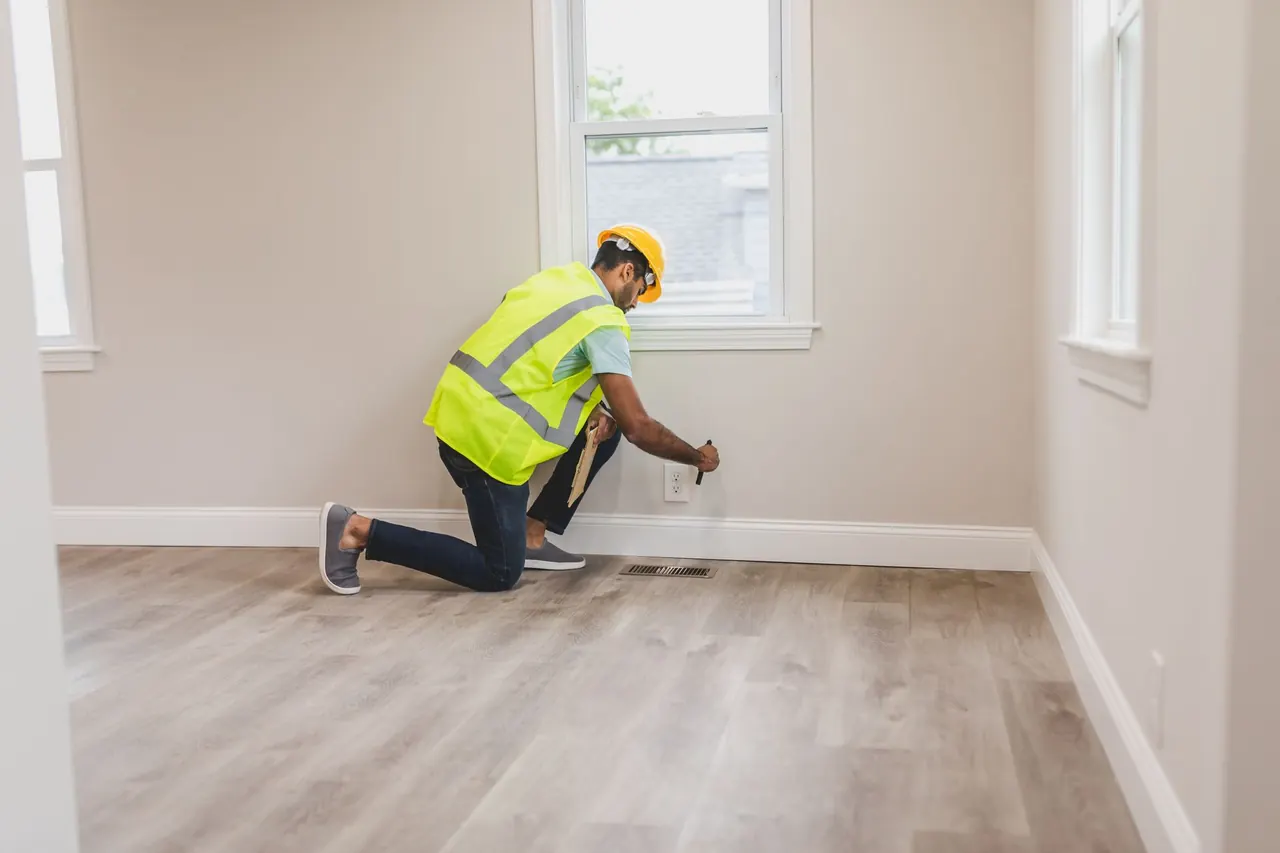
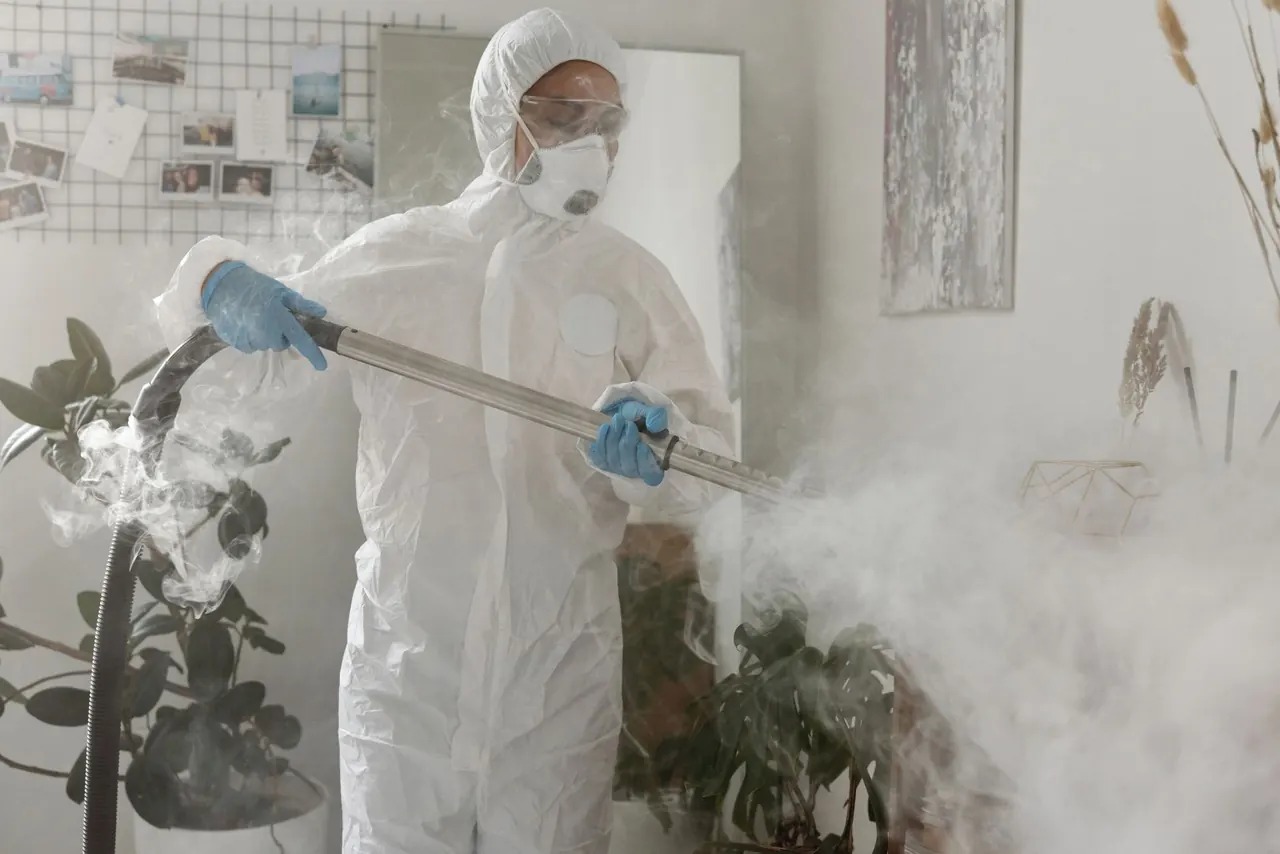
Mold remediation in Winter Park begins with access planning, moisture mapping, and separation of affected rooms from clean areas. Our crew checks the visible damage and nearby building materials, then uses a moisture meter and thermal imaging camera to locate dampness that is not obvious at the surface. For occupied properties around Park Avenue or Rollins College, we coordinate equipment placement and protect floors, furnishings, and routes through the home. Work areas are isolated with plastic sheeting; HEPA filtration and negative-air control are used where the job conditions call for them. We remove affected drywall or insulation only when the findings support removal, then clean and dry the remaining structure. If you need same day mold remediation Winter Park Orlando FL after a new leak, call with the water source and affected rooms so we can prioritize the first inspection steps. We follow applicable safety requirements and use containment practices matched to the work, not a one-size setup. Before closeout, we review moisture readings and the remaining repair needs with you.

  • Historic homes with older plumbing hidden behind finished walls

    A slow plumbing leak can wet wall cavities before a stain appears. Older finishes and narrow access points make it important to locate the wet area before opening a broad section of wall. We trace visible moisture and check nearby fixtures, wall edges, and accessible cavities. A boroscope can help inspect a limited concealed space through an existing opening. We explain the smallest practical access point, protect nearby finishes, and keep removal focused on material that is wet or mold-affected.

  • Mature trees and storm exposure affecting roof surfaces

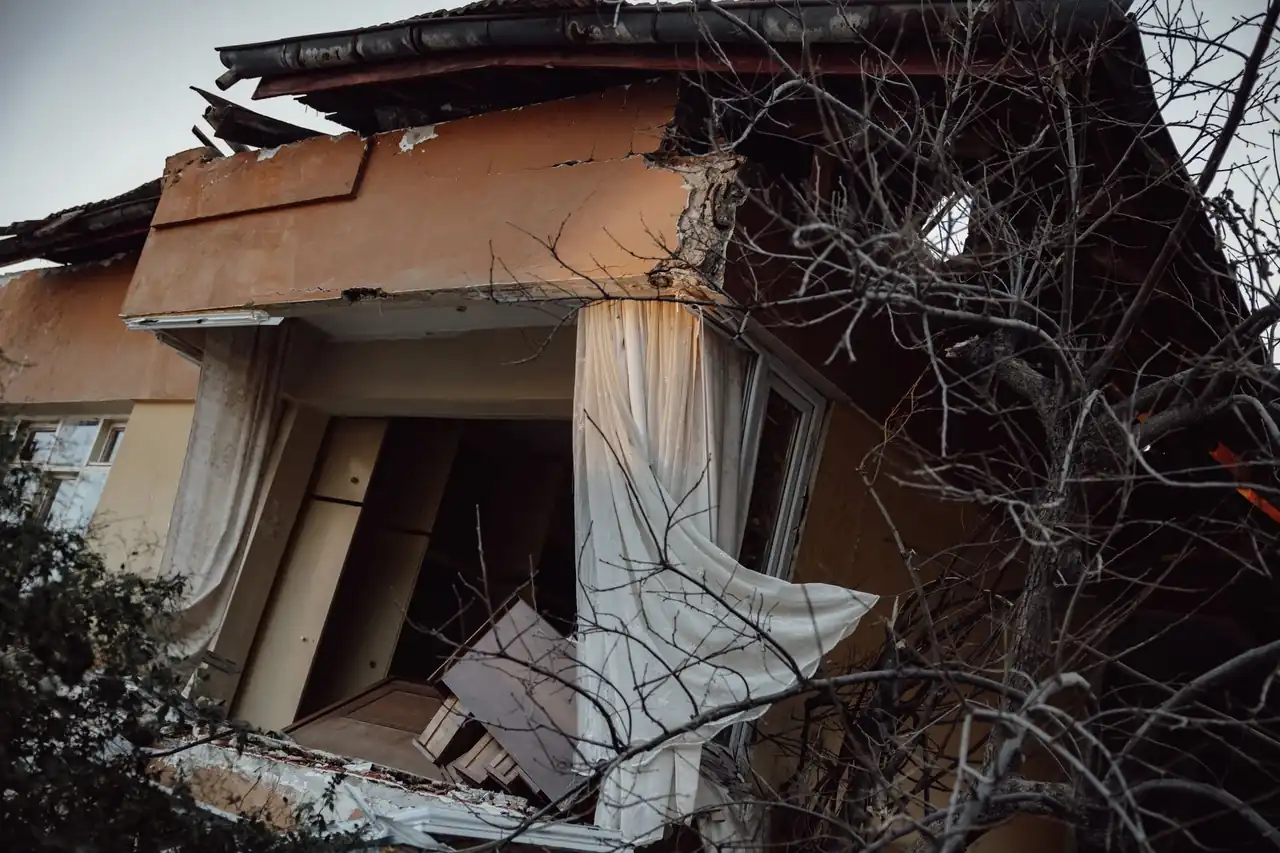
    Branch contact, wind-driven rain, and debris at roof drainage points can introduce water into ceilings and insulation. A ceiling stain may appear well away from the actual entry point, so surface-only cleanup can miss the source. We map the interior staining and moisture readings, then connect the affected ceiling area to the likely roof or attic pathway. We remove wet porous material when needed and dry the framing. You receive a clear description of any roof repair that must stop further water entry.

  • High humidity and afternoon thunderstorms keeping interiors damp

    Warm, humid air can slow drying after a leak, while condensation can recur on cool surfaces in rooms with poor ventilation. Repeated dampness gives mold growth an opportunity to return if the moisture condition remains. We measure affected materials and use dehumidification with suitable air movement, checking progress rather than guessing from elapsed time. We also identify ventilation or condensation patterns that need attention after cleanup, so you can address the conditions that are keeping a surface wet.

  • Florida DBPR Mold-Related Services requirements

    Florida regulates mold-related assessment and remediation services through the Department of Business and Professional Regulation. The work plan should match the service being performed and applicable requirements. We explain the remediation steps and use controlled work practices appropriate to the affected area and materials.

  • OSHA worker-safety requirements

    Worker protection, respiratory safety, and safe handling practices guide mold cleanup. Containment, protective equipment, and HEPA filtration are selected for the conditions on site. These controls also help limit dust and debris movement into clean areas of your Winter Park property.

Winter Park Landmarks and Navigation

We use familiar Winter Park landmarks to orient routes and confirm the part of town before setting an arrival plan. Park Avenue provides a central reference, while Rollins College and Lake Virginia help distinguish nearby areas when discussing access. The Winter Park Farmers Market and Morse Museum are additional map references, not claims about service activity at those sites. We confirm the exact address, parking, and entry instructions with you because street access and property layouts vary.

  • Park Avenue

    Park Avenue is a central Winter Park street and commercial destination. It helps orient nearby addresses when planning a route, while the customer's exact street address remains necessary for locating a residence or business.

  • Rollins College

    Rollins College is a recognizable Winter Park campus near Lake Virginia. It can help identify the general area during route planning, but it does not replace confirming the property's entrance and access details.

  • Winter Park Farmers Market

    The Winter Park Farmers Market is a known local destination. As a map reference, it helps describe the central area and nearby streets when coordinating directions to a customer's property.

  • Morse Museum

    The Morse Museum is a prominent Winter Park landmark associated with the central district. It offers a familiar orientation point when discussing nearby addresses and route access with customers.

  • Lake Virginia

    Lake Virginia is a recognizable geographic feature near Rollins College. It helps distinguish the lakeside area during navigation, while the service address determines the actual route and arrival point.

  • Park Avenue

    Park Avenue is a central shopping and dining district with storefronts, restaurants, and nearby residential streets. Its central location makes it a useful reference when arranging access to properties in the surrounding area.

  • Hannibal Square

    Hannibal Square is a Winter Park district with local businesses and community spaces. Its street layout and mix of uses make exact property details helpful for planning parking, equipment entry, and an unobstructed work route.

  • Winter Park station

    The Winter Park station serves the central area. For a service visit, we confirm the property address and vehicle access rather than relying on the station as a job-site destination.

Winter Park Neighborhood Coverage

Our service area includes established residential streets, renovated homes, and properties near the city's central destinations. Each property gets an inspection plan based on its construction and water history, whether you are near Park Avenue or farther into Winter Park Pines. We also serve customers in Lakeside and Hannibal Square, with attention to discreet access and protection of finished rooms. ZIP codes 32789 and 32792 are part of our Winter Park coverage; nearby service routes also connect with 32751.

  • Park Avenue
  • Hannibal Square
  • Winter Park Pines
  • Lakeside
  • 32792
  • 32789
  • 32790

Winter Park Mold Remediation Results

  • Park Avenue

    Before

    A plumbing leak beneath a bathroom vanity in a historic home near Park Avenue left the cabinet base and adjoining drywall damp, with a musty odor spreading into the hall.

    After

    We traced the moisture around the supply connection and checked the cabinet, wall edge, and floor materials. The team isolated the work area, removed the damaged porous section, and cleaned the exposed surfaces. We set drying equipment and took follow-up moisture readings before discussing the finish repair. The affected area measured about 18 square feet, and drying checks were completed over 3 days. The leak source was identified for repair, and the homeowner received a clear record of the materials removed and the moisture readings.

  • Winter Park Pines

    Before

    After a summer storm, a Winter Park Pines ceiling stain expanded beside an attic access point, with damp insulation and a suspected roof entry.

    After

    We mapped the ceiling and attic moisture, protected the occupied rooms, and contained the removal area with plastic sheeting. Wet drywall and insulation were removed where readings confirmed damage. Air movement and dehumidification were adjusted as the framing dried, while the roof issue was identified for repair. The crew documented 2 affected rooms and tracked readings at 4 points in the exposed framing. The interior materials dried during a 4-day monitoring period, reducing the chance of closing damp material behind new finishes.

  • Lakeside

    Before

    A lakefront home near Lake Virginia had recurring condensation and localized growth behind a bedroom dresser, with no active plumbing leak found during the initial check.

    After

    We inspected the wall, furniture clearance, and room ventilation, then measured moisture at the affected surface and adjacent areas. The team contained and cleaned the localized area, removed a small section of damaged porous material, and discussed airflow changes to reduce recurring condensation. The visible work zone covered approximately 12 square feet. We checked 3 adjacent wall locations after cleanup and provided the homeowner with the moisture findings and practical ventilation steps for monitoring the room.

Winter Park Mold Risks Through the Seasons

  • Spring

    Spring storms can expose weak roof details and bring water into attics or around windows. As humidity rises, previously damp drywall and insulation can dry slowly. Watch for new ceiling marks after rain and musty smells in closets or storage spaces. Check ceilings and attic access after heavy rain, and report stains before they spread. Keep gutters and roof drainage clear through appropriate maintenance, and do not paint over a damp area.

  • Summer

    Summer brings frequent afternoon thunderstorms, warm temperatures, and high humidity. Roof leaks, plumbing failures, and air-conditioning condensation can leave materials wet, while indoor drying takes longer if humidity remains high. If water enters, stop the source when safe and move belongings away from wet materials. Record which rooms were affected and call promptly so the wet area can be measured and dried.

  • Fall

    In October and through fall, lingering humidity and storm-related roof damage can keep materials damp. A ceiling stain from an earlier leak may become more noticeable as finishes change, and closed rooms can develop condensation or musty odors. Inspect rooms after storms and check for soft drywall, swollen trim, or recurring odor. Arrange an assessment before seasonal decorating or furniture placement hides the affected surface.

  • Winter

    Winter is milder than many regions, but indoor cooling, closed windows, and humid outdoor air can still create condensation. Plumbing leaks and roof entry remain possible, and damp materials can support mold if drying is delayed. Keep bathroom and laundry ventilation working, and look behind furniture on exterior walls. If a leak occurs, dry visible water and have concealed materials checked before sealing or repainting.

Questions to Ask Before Hiring

A strong Winter Park remediation contractor should explain what is wet, what will be contained, and how the source will be handled. Ask how the crew will protect finished rooms, what readings will be recorded, and how cleanup will be checked before repairs. You should hear clear answers about worker safety and applicable Florida requirements, not just promises to spray and leave. If a contractor cannot describe the work sequence in plain language, keep asking before you schedule.

  • How will you find the source of moisture?

    Cleanup without source control leaves the same conditions in place. A good answer describes checking the leak path, affected materials, and nearby spaces, then coordinating any plumbing or roof repair needed to stop water entry.

  • What will you remove and what will you clean?

    Porous drywall or insulation may need removal when damaged, while some hard surfaces can be cleaned. The contractor should explain how inspection findings determine that choice and how the work area stays contained.

  • How do you protect the rest of my home?

    Containment and HEPA filtration help limit dust and debris movement. Ask where plastic barriers will go, how equipment will be placed, and how the crew will keep a route through occupied rooms clean.

  • How will you verify drying before repairs?

    A dry-looking surface does not prove that framing or the back of drywall is dry. Ask whether moisture readings will be taken at several points and how those results guide the timing of reconstruction.

  • Which Florida mold requirements apply to this job?

    The work should follow relevant Florida DBPR mold-related requirements and applicable safety practices. A clear answer identifies the service being performed, the responsible personnel, and how worker protection and containment fit the job.

Winter Park Mold Remediation Orlando FL FAQs

Still wondering? (728) 300-9969

Local service team

Mold Remediation Orlando FL in Winter Park Starts Here

A damp wall, roof leak, or musty room in Winter Park needs a clear next step. Call Orlando Mold Guardians at (728) 300-9969 and tell us what happened, when you noticed it, and which rooms are affected. We will discuss the inspection and remediation process and help you move from moisture source to cleanup. Our team serves Winter Park and the wider Orange County area.

Contact Our Orlando Team

Call Orlando Mold Guardians at (728) 300-9969 to discuss a leak, visible growth, or a persistent musty smell. Our office hours are Monday through Friday, 8:00 a.m. to 6:00 p.m.; leave your name, neighborhood, and a short description if you reach voicemail, and we will respond during business hours. We serve Orlando, Florida, and nearby Orange County communities.

Thanks. Your request is in and the team will follow up shortly.